

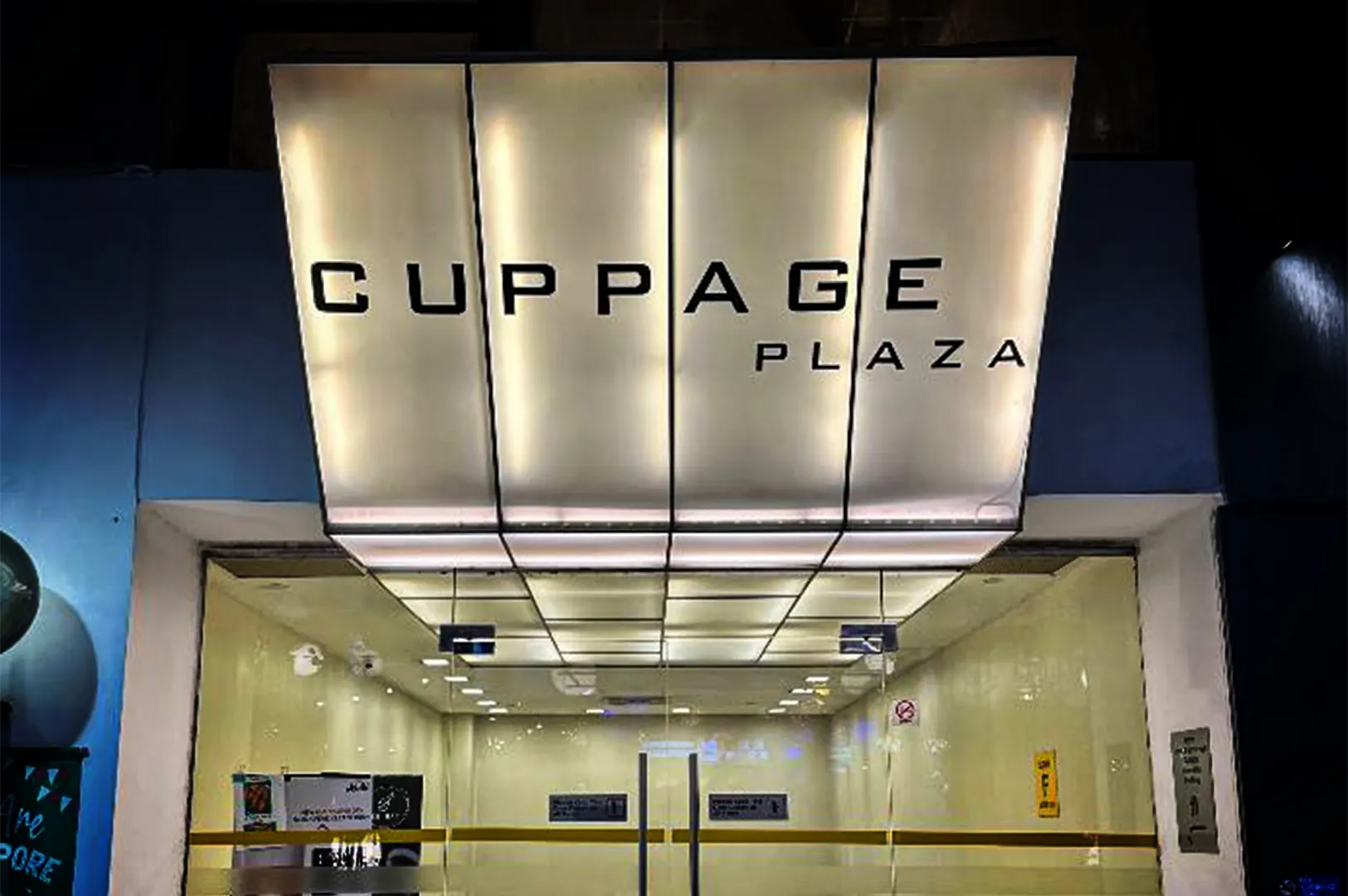
There are buildings in Singapore that announce themselves with glass, height, and noise. Then there are places like Cuppage Plaza Singapore, standing just off Orchard Road with a quieter confidence, almost as if it has learned to let people find it slowly.
From Somerset MRT Station, the walk toward Koek Road does not feel dramatic. The city is still busy around you, with shopping bags, office shirts, and weekend crowds moving in several directions at once. But when you step inside Cuppage Plaza, the rhythm changes. The building feels older, narrower, and more inward-looking, shaped by corridors, small tables, counter seating, and the soft pull of food places that do not always reveal themselves from the entrance.
This is why any serious Cuppage Plaza food guide has to begin with the building itself. Before the dishes, before the sushi, ramen, curry rice, noodles, sashimi, or yakitori smoke, there is the sense of entering a dining pocket that belongs to a different Orchard.
Why Cuppage Plaza Still Feels Like a Hidden Gem
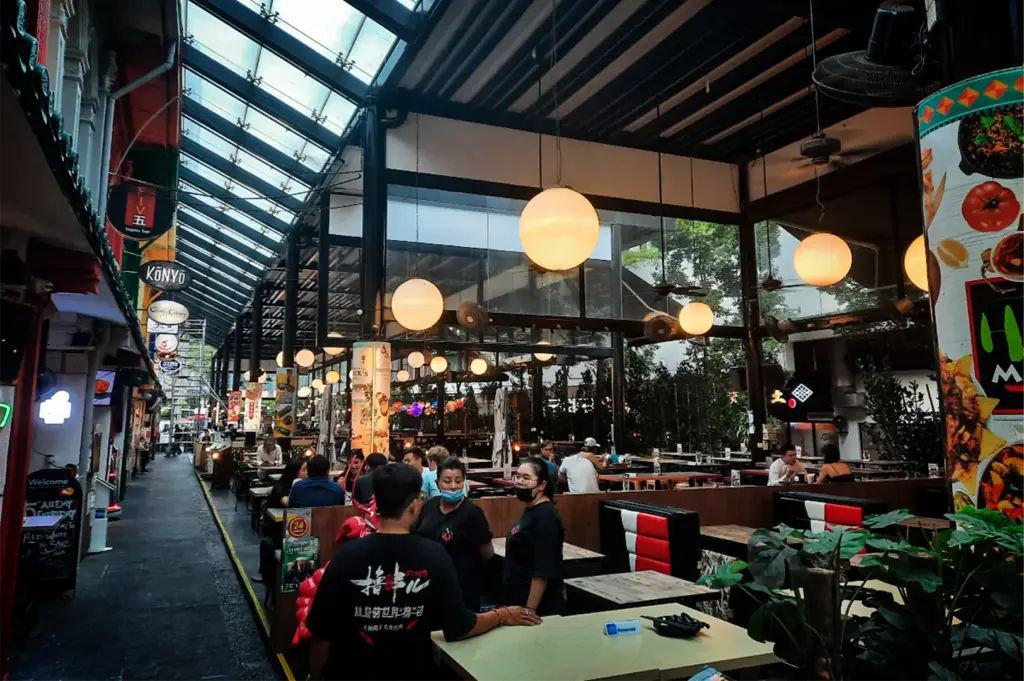
Cuppage Plaza has long carried the feeling of a hidden gem because it does not behave like the newer malls around it. It is not designed around grand atriums or polished food halls. Its appeal comes from movement: turning a corner, taking the lift, pausing outside a plain door, and realising that the most interesting meal may be above or below street level.
What makes Cuppage Plaza different is the way it rewards attention. A casual visitor may walk through quickly and miss all the food possibilities tucked into the building. But someone willing to look slowly may notice how each restaurant, eatery, or sushi bar occupies its own pocket of space, creating a dining experience that feels discovered rather than advertised.
That is also part of what makes Cuppage Plaza meaningful in Singapore’s food landscape. It holds onto a less hurried kind of eating, where the main draw is not a viral dish or a dramatic interior, but the feeling that regulars already know where to go.
A Cuppage Plaza Food Guide to the Building’s Character
To understand Cuppage Plaza food, it helps to think of the building as a vertical food street rather than a conventional mall. Its restaurants are not always clustered neatly in one obvious zone. Some are on upper floors, some sit close to the basement, and others feel almost hidden behind modest entrances.
This layout creates a natural sense of exploration. You may pass an eatery offering yong tau fu one moment, then find Japanese cuisine, izakaya classics, sushi, sashimi moriawase, noodle dishes, or a bowl of katsu curry rice later in the same visit. The variety is not loud, but it is present.
For readers researching all the food in the area, this is the important point: Cuppage Plaza is not only about what to eat, but how the building makes you look for it.
Japanese Restaurants and the Little Tokyo Feeling
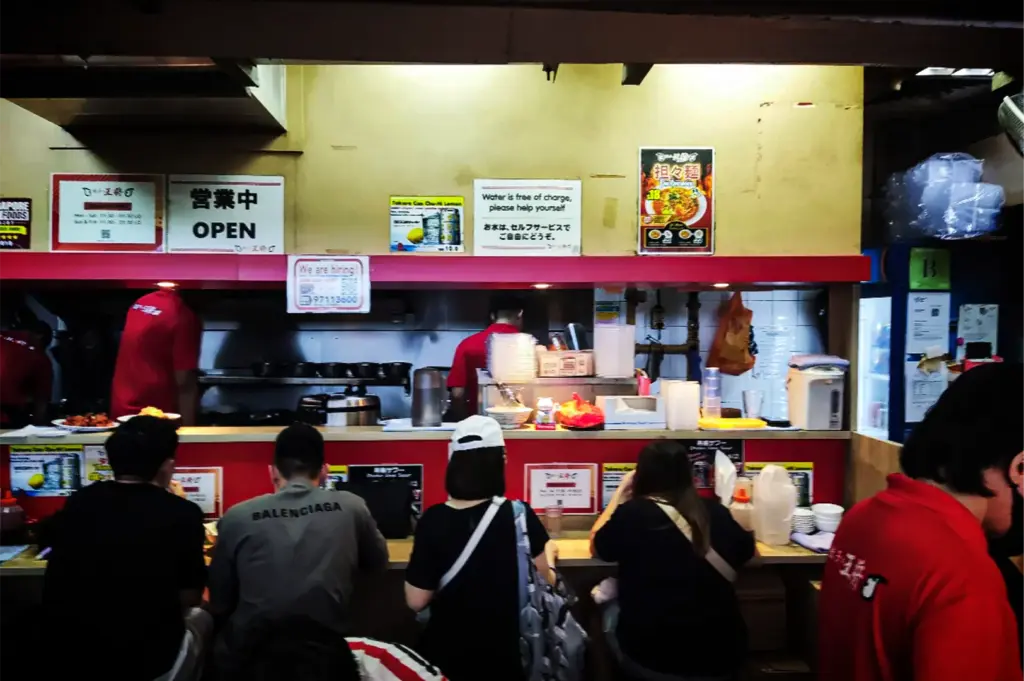
The phrase Little Tokyo is often used loosely in Singapore, but inside Cuppage Plaza, it begins to make sense. The building has developed a strong association with Japanese restaurants, Japanese expats, Japanese salarymen, and diners looking for authentic Japanese food in a setting that feels removed from the louder parts of Orchard Road.
That identity comes partly from the kinds of places found here. Some spaces focus on izakaya classics, some on sushi bars and sashimi, some on charcoal cooking, and others on a quieter, more formal Japanese dining experience. Instead of one large concept, the building holds many smaller expressions of Japanese eating.
This is why keywords like Keria Japanese Restaurant, Izakaya Naniwa, Hanashizuku Japanese Cuisine, Kazu Sumiyaki Restaurant, Sushi Masa, and Ebi Bar often appear when people search around the area. They serve as signals of the wider Japanese culture that makes Food at Cuppage Plaza distinctive.
Japanese Cuisine, Counter Seating, and the Act of Pausing
Japanese cuisine inside Cuppage Plaza often feels closely tied to intimacy. Many spaces are compact. Some make use of counter seating, where the distance between diner and cook becomes part of the meal. Others rely on small tables, private dining room arrangements, or corners suited for private gatherings rather than large casual groups.
This changes the way people eat. A meal here can feel less like passing through a mall and more like settling into a slightly smoky space where the evening unfolds slowly. You might notice the quiet work of cooking, the movement of a head chef behind the counter, the pacing of lunch service, or the care that goes into using only the freshest ingredients.
There is also a certain restraint in the experience. A good bowl of ramen, a plate of fatty tuna, a serving of foie gras, a skewer of chicken or pork, or a simple rice dish does not need to be overexplained when the room itself asks you to slow down.
What Makes Cuppage Plaza Food Different from Other Orchard Food
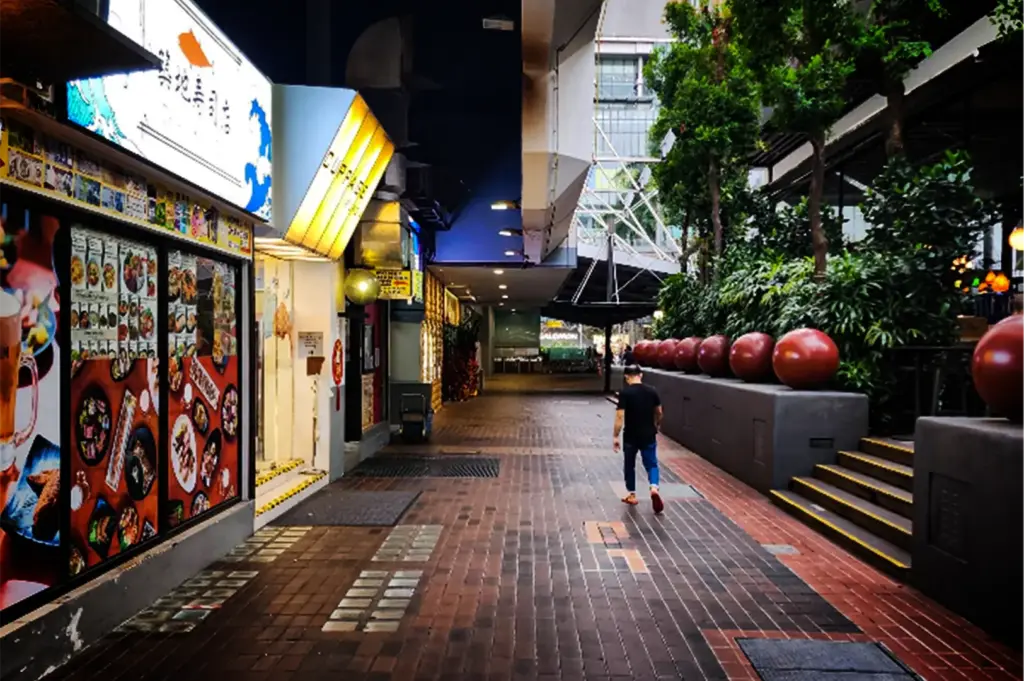
Cuppage Plaza sits near Orchard Road, but it does not feel like the usual Orchard food stop. The building is smaller in mood, more layered in layout, and less dependent on trend-driven dining. It feels shaped by habit, return visits, and word-of-mouth discovery.
Several qualities define the food culture here:
A stronger Japanese identity — from sushi and sashimi to izakaya food, curry rice, ramen, noodles, grilled dishes, and sake-friendly meals.
A hidden layout — many dining spaces are not immediately visible, which makes exploration part of the appeal.
A mix of budgets — some places offer great value for lunch, while others lean toward premium ingredients, impeccable service, and longer meals.
A regular-led atmosphere — the building often feels more familiar to returning diners than first-time visitors.
A contrast with modern malls — instead of polished uniformity, Cuppage Plaza offers personality, age, and texture.
This is also why a Cuppage Plaza food guide should not only focus on menus. The building’s sense of place matters just as much as the dishes.
Authentic Japanese Food and the Role of Regulars
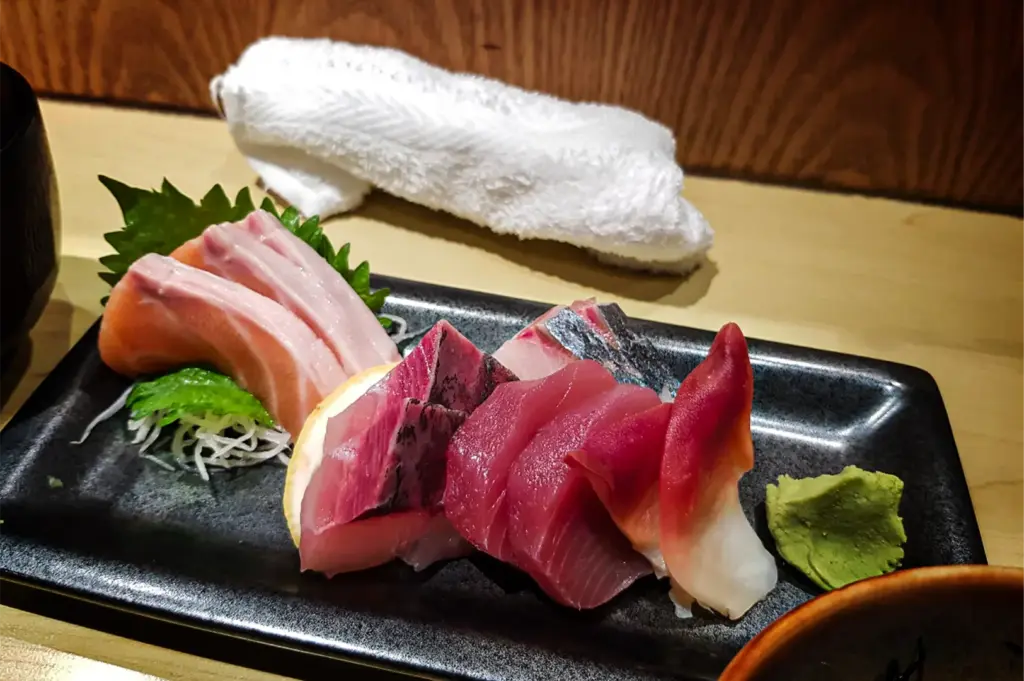
The idea of authentic Japanese food can be difficult to define, but in Cuppage Plaza, it often appears through atmosphere as much as through ingredients. It may be found in the quiet pacing of a meal, the use of seasonal seafood from places associated with Japan such as Toyosu Market, or the presence of Japanese expats who return because a space feels familiar.
Some diners come for sushi. Others come for sashimi, fatty tuna, izakaya classics, or a bowl of curry rice after work. Some are drawn by names connected to specific chefs, such as Chef Steven Lee, the same head chef, or a head chef known by regulars more than by online promotion. These details create a sense that the building’s food identity is built from relationships as much as branding.
For Japanese salarymen and local diners alike, the appeal is often simple: tasty food, a controlled space, and a meal that feels closer to Japan than to the polished energy outside.
Local Food, Orchard Yong Tau Fu, and the Other Side of the Building
Cuppage Plaza is strongly associated with Japanese dining, but the building is not only Japanese. Its quieter food story also includes local comfort, especially through names like Orchard Yong Tau Fu, where the appeal comes from a very different kind of meal.
This is where ingredients like stuffed lady’s fingers, salted duck eggs, tofu, noodles, and clear soup enter the picture. The atmosphere is less about sake and private gatherings, and more about lunch, long queues, office workers, and a quick bowl that feels practical in the middle of the day.
This contrast matters because it prevents Cuppage Plaza from becoming too narrow in the reader’s mind. The same building can hold sashimi moriawase and stuffed lady’s fingers, foie gras and salted duck eggs, sushi and local soup. That mix is part of what makes Cuppage Plaza Singapore more interesting than a single-theme dining destination.
How to Explore Cuppage Plaza Without Rushing
The best way to experience Cuppage Plaza is not to treat it like a checklist. Step inside, move slowly, and allow the building to reveal itself floor by floor. The entrance may not tell you everything; the better clues often appear after you turn into a corridor or stand outside a menu board.
A few practical notes help shape the visit:
Check opening hours before going, especially because some places open daily while others have specific schedules, such as spots that open Tuesday or operate mainly during dinner.
Use Somerset MRT Station as the easiest access point, then walk toward Koek Road.
Expect different meal rhythms, from lunch service and affordable bowls to longer dinner settings.
Do not judge only by storefront design, because some of the best kept secrets are modest from the outside.
Call ahead for smaller spaces, especially where counter seating, private dining room use, or limited tables may affect availability.
Exploring this way gives the building breathing room. Instead of asking only where to eat, the better question becomes: what kind of food moment are you looking for?
Why Cuppage Plaza Singapore Still Matters
In a city where dining spaces often change quickly, Cuppage Plaza offers a different kind of value. It does not feel frozen in time, but it does feel resistant to the idea that every good meal must be brightly packaged and instantly understood.
What makes Cuppage Plaza special is the way it holds contradiction. It is central yet hidden, old yet active, Japanese yet not only Japanese, quiet yet full of food stories. It sits near Orchard Road, but once you step inside, the mood becomes more private, more patient, and more attentive.
That is why a Cuppage Plaza food guide should begin not with ranking, but with observation. The building asks to be walked through, not skimmed. And in that slow movement, between Koek Road and the small rooms inside, Cuppage Plaza continues to show why some of Singapore’s best hidden eats around food places are not always the easiest to see first.