

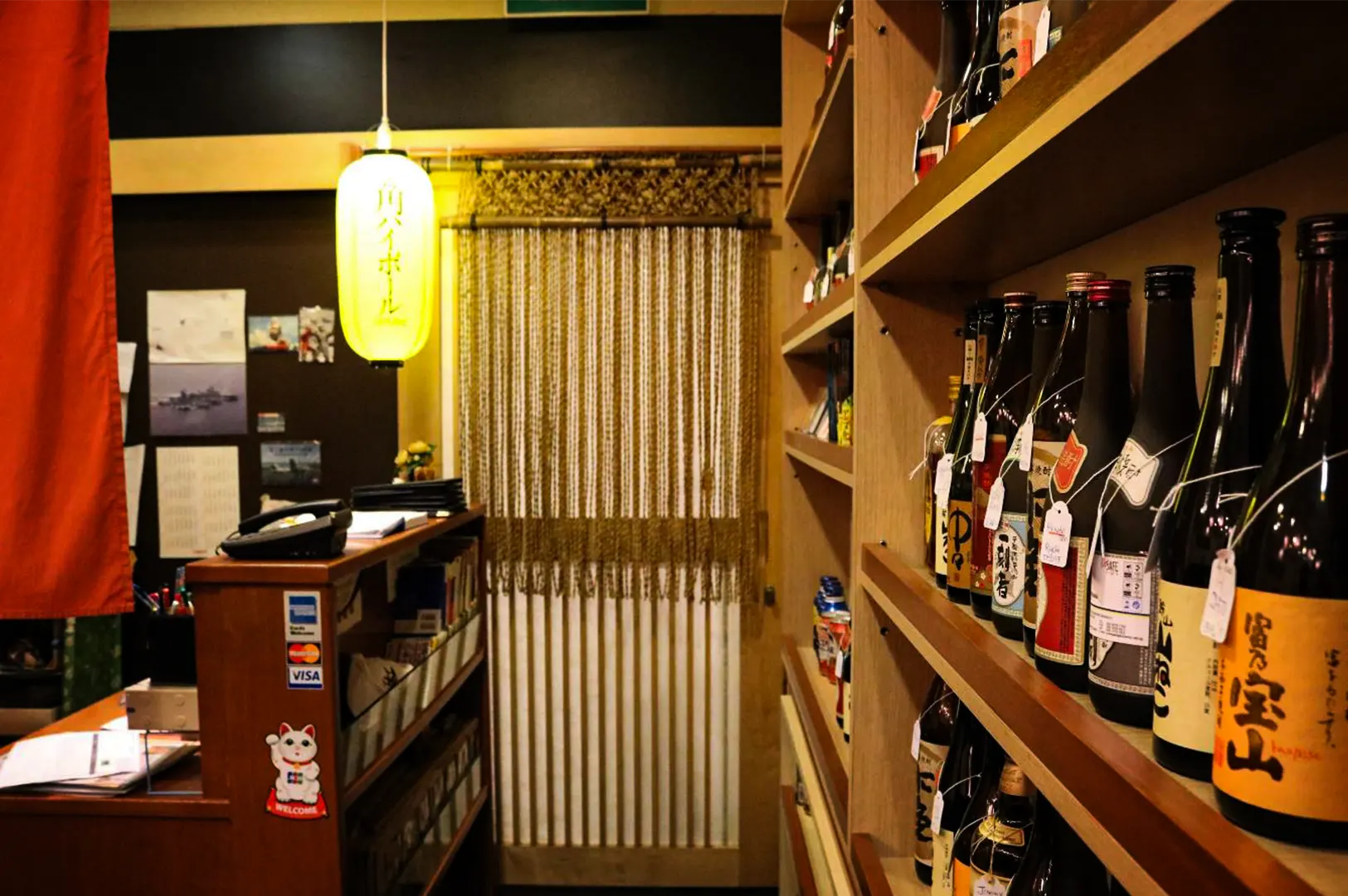
Keria Japanese Restaurant is located at Cuppage Plaza, B1 28, just off Orchard Road, but it does not feel like the kind of Japanese restaurant that tries to pull guests in from the street. You have to step inside the building, move toward the basement, and let the room reveal itself slowly.
When I arrived, what stood out first was the warm lighting, the sake bottles, the close seats, and the feeling of an alcove where regulars might already know what they want before seeing the menu. It felt less like a polished restaurant concept and more like one of those izakayas in Japan where food, drinks, and conversation are allowed to settle into the evening. This spot is one of the a notable parts of the Cuppage Plaza food scene, offering a cozy, authentic experience away from the usual bustle.
The Dining Ambiance Inside Cuppage Plaza
Cuppage Plaza has a different rhythm from the brighter malls around Orchard Road. Inside Keria, that difference becomes more intimate. The room is not large, the seats are close, and the whole basement space feels compact without becoming uncomfortable.
What I liked was that the restaurant did not feel overly styled. There was space to notice human details: someone leaning forward to ask about reservations, a server pausing to explain a dish, a guest deciding between alcohol and food pairings. These small exchanges made the dining experience feel grounded.
Keria does not immediately announce itself as special. That, in my opinion, is part of its charm. The room feels protective, warm, and lived-in, almost as if the best choice is to sit down first and let the meal find its own pace.
What This Japanese Restaurant Feels Like Once You Sit Down
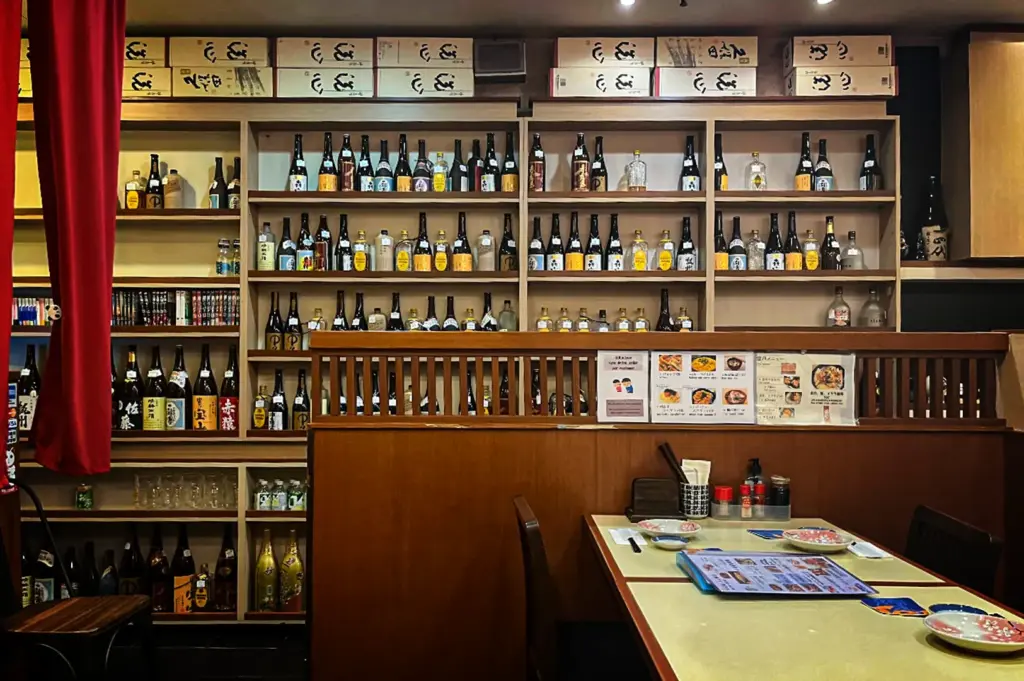
Cuppage Plaza has a different rhythm from the brighter malls around Orchard Road. Inside Keria, that difference becomes more intimate. The room is not large, the seats are close, and the whole basement space feels compact without becoming uncomfortable.
What I liked was that the restaurant did not feel overly styled. There was space to notice human details: someone leaning forward to ask about reservations, a server pausing to explain a dish, a guest deciding between alcohol and food pairings. These small exchanges made the dining experience feel grounded.
Keria does not immediately announce itself as special. That, in my opinion, is part of its charm. The room feels protective, warm, and lived-in, almost as if the best choice is to sit down first and let the meal find its own pace.As a Japanese restaurant, Keria works best when approached as an izakaya rather than a simple dinner stop. The menu has sushi, sashimi, grilled fish, fried items, oden, curry, udon, tempura, and other dishes made for sharing across a table.
The basement location helps build that mood. Cuppage Plaza is already known for Japanese food in Singapore, but Keria feels slightly tucked away even within the building. A party near us ordered beer and sake, and their quiet laughter became part of the room without taking over it.
The staff did not overexplain, but they were present when needed. The restaurant seemed to understand that some guests come for a full meal, others for drinks and small plates, and others simply because the basement room feels familiar after a long day.
What the Menu Says About Keria Japanese Restaurant
Keria’s menu is wide, but it does not feel random. It reflects the way many izakayas work: you order based on mood, appetite, and who you are eating with. If you want something raw, there is sushi and sashimi. If you want something warm, there is udon, curry, oden, and grilled fish.
The ingredients move across different textures. There is the firm bite of noodles, the softness of tofu, the crispness of fried batter, the sticky surface of miso-marinated fish, the mouth-coating richness of cheese and butter, and the clean saltiness of seaweed or seafood.
Some dishes bring garlic and onions forward, while others let fish, pork, or soy-based flavours stay closer to the centre. I would not come here expecting a quiet fine-dining progression. I would come here for a meal that feels assembled through conversation.
Signature Dishes, Prices, and Other Dishes to Notice
The first dish that really opened the meal for me was the Potato Cheese Mentai, priced around $12. It had the kind of richness that makes you pause after the first bite: soft potato, creamy cheese, salty mentaiko, and a slight sweetness that rounded the edges. It was not subtle food, but it was delicious in the way izakaya food often is, comforting, generous, and made to match beer or sake.
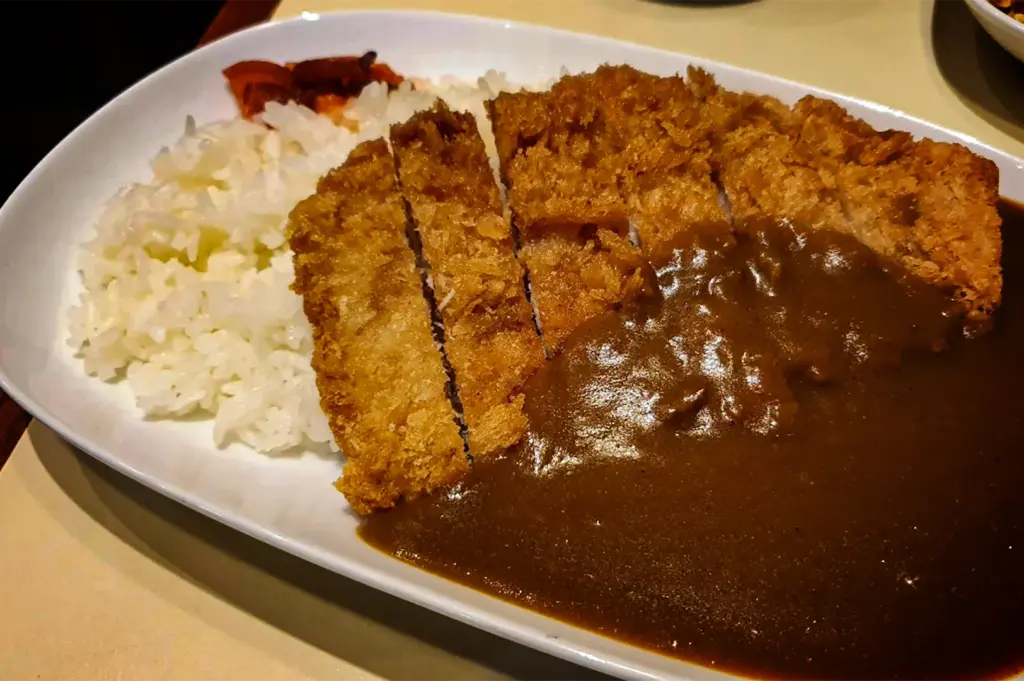
The Pork Curry Udon, priced around $17, brought a different kind of warmth. The curry clung to the udon with a thick, savoury texture, and the noodles had enough bounce to hold up against the sauce. There were pieces of pork, tofu, and a deep curry flavour that felt satisfying without becoming too heavy on the palate.
Other dishes worth noting include:
Gindara Saikyo Yaki, around $25, for miso-marinated fish with a sweet, sticky surface and soft flakes.
Saba Yaki, around $36, for grilled fish with salt, skin, and a more direct seafood character.
Oden, around $2.50 per piece or $8 for four, for tofu and slow-cooked ingredients in a softer broth.
Mix Grill, around $38, for a shared plate that works well with beer, sake, or other drinks.
Mentaiko Cabbage, around $12, for another rich mentai-style choice.
Yaki Niku Set Meal, around $25, for guests who want a fuller meat-focused meal.
Grilled, Fried, Cooked, and Shared: How the Meal Builds
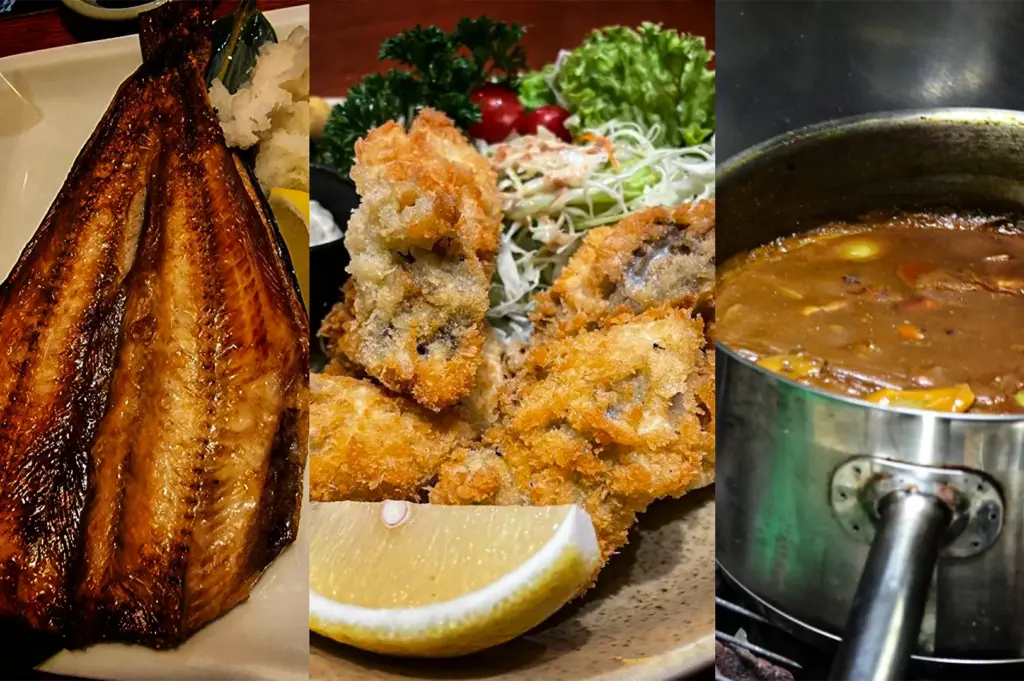
Among the other dishes, the grilled items gave the meal its sharper edges. Grilled fish brought salt, skin, and smoke into the mix, while the oden felt softer and quieter. The oden broth, with its tofu and slow-cooked ingredients, offered a contrast to the richer plates.
The fried dishes and tempura add another layer to the table. They are the kind of food that makes sense in a room like this, where guests order gradually and let each plate bring a different texture. One moment can be crisp and hot, the next can be soupy, rich, or comforting.
That contrast is important to Keria’s appeal. A meal here can move from sashimi to curry, from tempura to oden, from sake to dessert, without feeling like the menu has lost its centre. The common thread is comfort, and that comfort can be rich, fried, grilled, cooked, or sweet.
Food, Drinks, and the Izakaya Feel
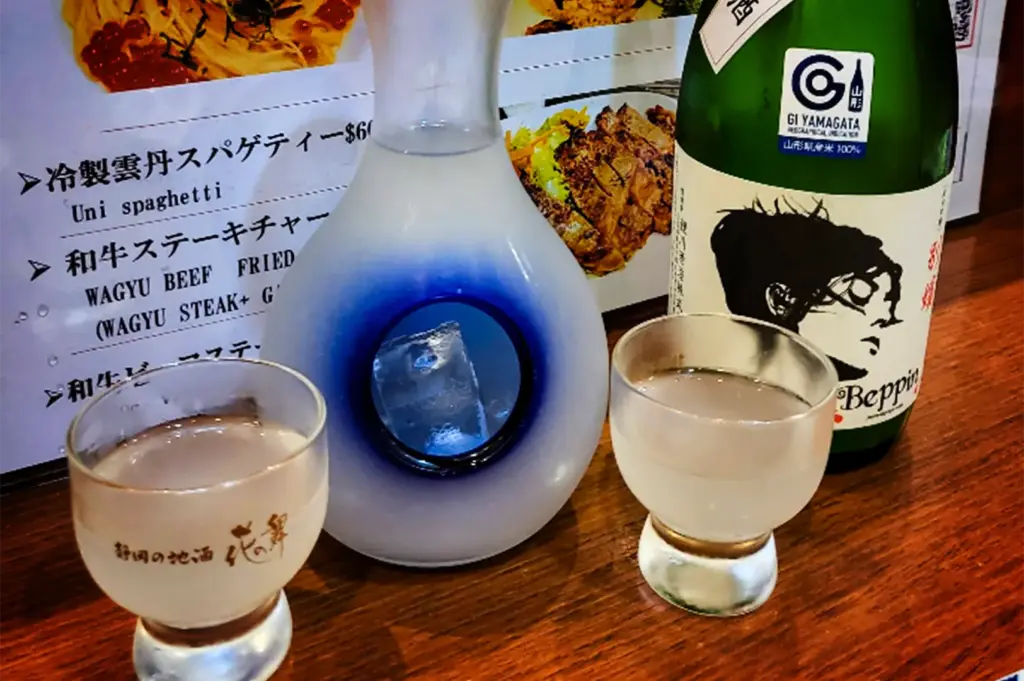
The drinks are not separate from the food here. They are part of the way the restaurant makes sense. Beer works with the fried and grilled dishes, while sake feels right with sashimi, fish, oden, and lighter plates.
Alcohol is not just an add-on in this kind of setting. It helps shape the pace of the meal. Still, Keria does not feel like a bar pretending to be a restaurant. The food has enough substance to stand on its own.
You can come for a proper meal, especially if you order curry udon, grilled fish, sushi, tempura, or a mix of cooked dishes. But the best version of the experience happens when the table is allowed to build slowly, one dish and one conversation at a time.
Red Bean Paste and the Softer End of the Meal
Dessert is not the main draw at Keria Japanese Restaurant, but sweet endings still matter in an izakaya meal. After salt, curry, butter, garlic, onions, fried food, and grilled meat, the palate begins looking for something gentler.
This is where Japanese sweets, whether red bean paste, coffee jelly, or a small dessert special, can help close the meal without making it feel too heavy. Red bean paste represents the quieter side of Japanese sweetness. It is earthy, soft, and less direct than Western-style desserts.
Even when it is not the dish that defines the restaurant, it helps explain the range of flavours that Japanese cooking can bring to the table: seaweed and salt, soybeans and bacteria through natto, fish and sea flavours, then something sweet and restrained at the end.
Service, Guests, and the Feeling of the Room
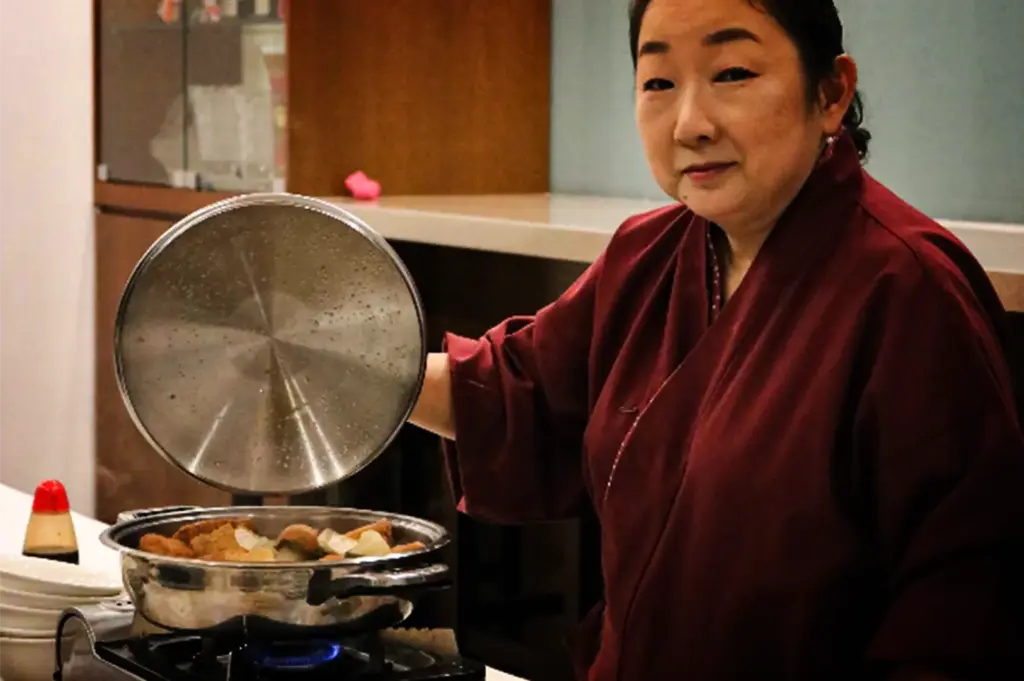
I noticed that Keria seemed comfortable with different kinds of guests. Some came as small groups, some looked like regulars, and others seemed to be deciding carefully from the menu. The staff moved between them without making the space feel formal.
There was no sense of being pushed through the meal. The service felt more natural than polished, which suited the room. A server might pause long enough to answer a question, then leave the table to continue its own rhythm. That human ease is part of why Keria works. The restaurant does not need to perform warmth loudly. It shows up in the way food is served, in the way guests settle into their seats, and in the way the room allows a meal to feel unhurried.
Practical Details: Location, Reservations, and Price Range
Keria Japanese Restaurant is easy to reach, but still feels hidden once you are inside Cuppage Plaza. The details are useful to know before going, especially because the restaurant is compact and dinner periods may be busy.
Restaurant: Keria Japanese Restaurant
Address: 5 Koek Road, Cuppage Plaza, B1 28, Singapore
Area: Orchard Road / Somerset
Cuisine: Japanese izakaya, sushi, sashimi, grilled fish, oden, curry udon, tempura, and other dishes
Best for: Small groups, casual dinner, drinks, Japanese comfort food, and izakaya-style sharing
Price range: Mid-range, depending on sashimi, grilled fish, sake, beer, and the number of dishes ordered
Reservations: Recommended, especially for dinner or a small party
Opening hours: Best checked before visiting, as hours may change seasonally or during special periods such as February holidays
For a fuller izakaya-style meal, I would expect the bill to sit above a quick casual dinner, especially if drinks are involved. A simple meal built around udon, oden, or a few small plates will feel different from a longer dinner with sashimi, grilled fish, tempura, sake, beer, and several shared dishes.
Final Thoughts on Keria Japanese Restaurant
My opinion of Keria Japanese Restaurant is that its strength lies not in one perfect dish, but in the feeling of the whole meal. The basement room, the warm service, the sake bottles, the menu range, and the steady arrival of food all work together.
The best dishes for me were the ones that matched the room’s personality: Potato Cheese Mentai for richness, Pork Curry Udon for comfort, grilled fish for balance, oden for softness, and small shared plates for the slow rhythm of eating together. Nothing about Keria felt rushed. Even the stronger flavours had time to settle.
I would return when I want a Japanese meal that feels warm, human, and slightly hidden. Not every restaurant needs to impress loudly. Some only need to give you a seat, a good bowl, a few delicious dishes, and the feeling that the night has found its own pace. For more unpopular spots but deserving of recognition, visit hiddeneatsaround.com to uncover culinary treasures waiting quietly in the wings, ready to surprise and delight your palate.