

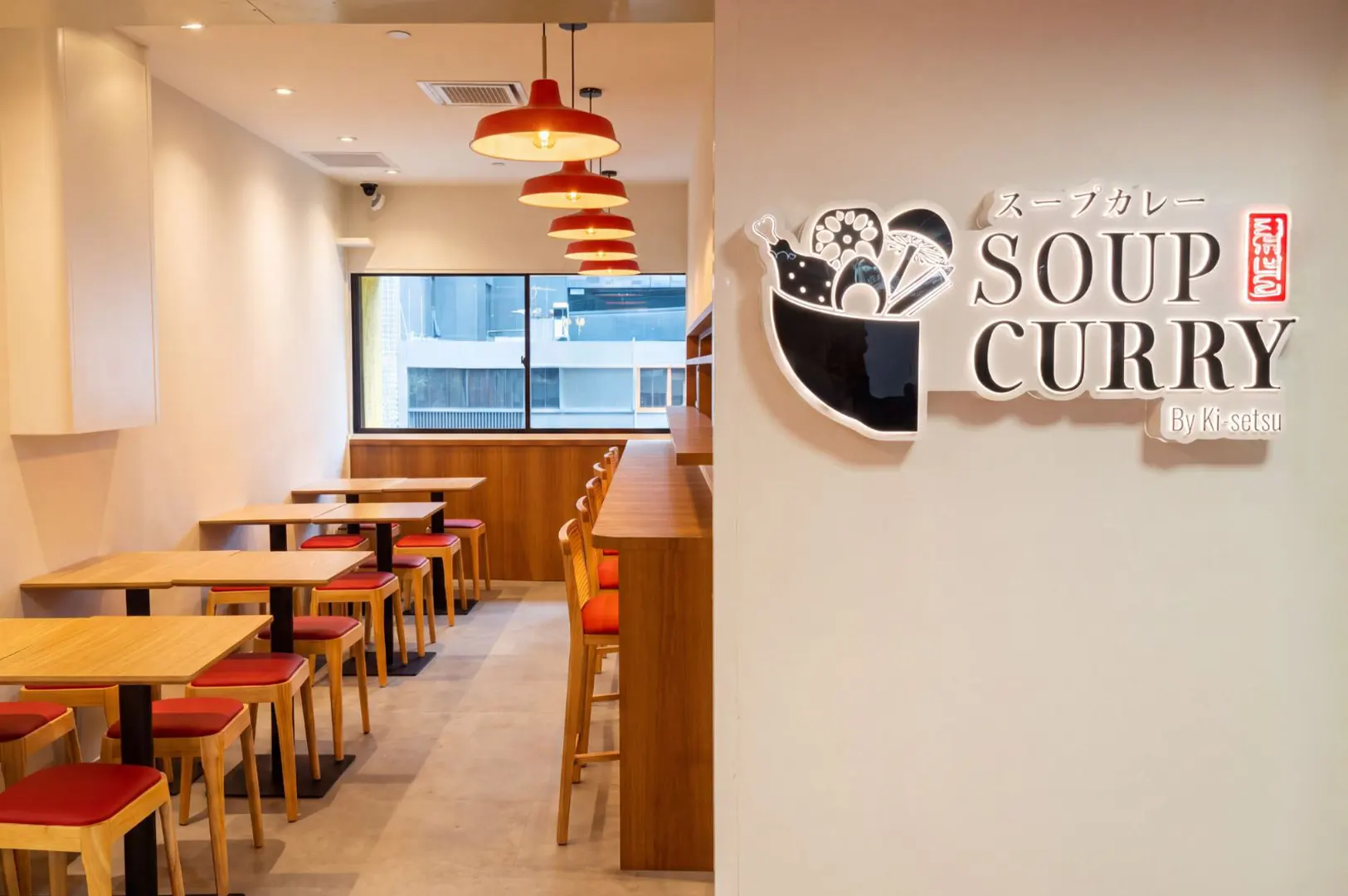
Say “Japanese curry” and many diners in Singapore picture the same thing: a thick, glossy sauce served over rice, often alongside chicken katsu, vegetables, or other familiar toppings. Soup Curry by Ki-Setsu offers a different interpretation. Instead of a thick curry sauce, it serves a broth-based style from Hokkaido, with vegetables and protein sitting in an aromatic soup and rice served separately.
The restaurant is currently in its public soft-launch period, ahead of its stated official opening on 8 October 2026. Ki-Setsu describes the concept as Singapore’s first and only authentic Hokkaido soup curry experience. This early look therefore captures the restaurant at an interesting stage, when its food and operations are being introduced to Singapore diners and some details may still evolve.
A Different Kind of Japanese Curry
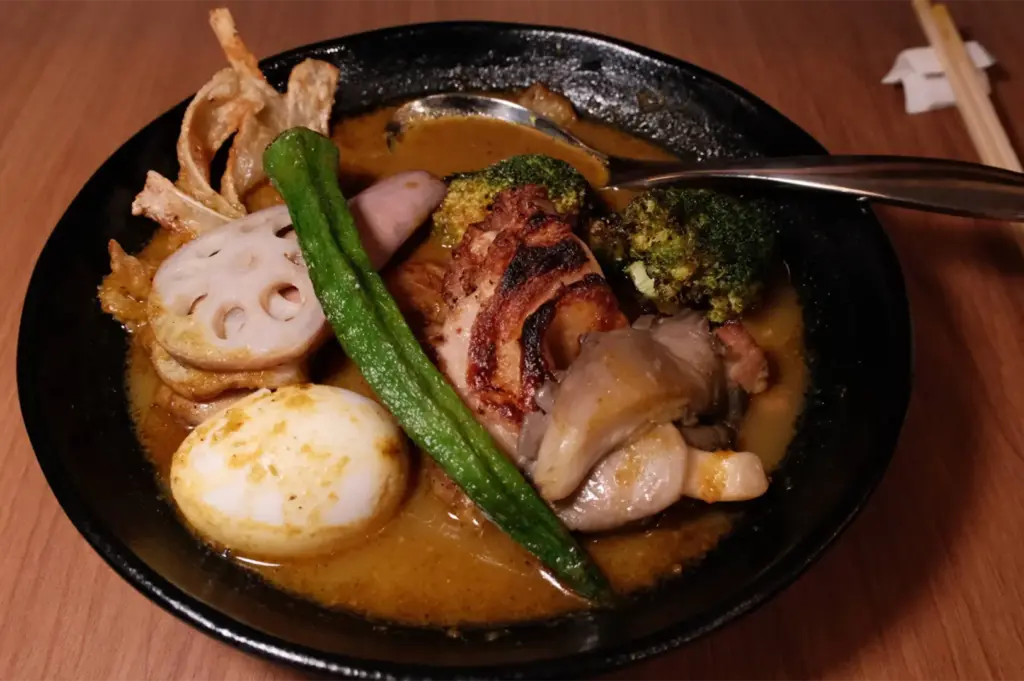
Hokkaido soup curry originated in Sapporo and differs considerably from the roux-based Japanese curry rice familiar to many diners. Rather than coating the rice in a thick sauce, soup curry uses a thinner, fragrant broth that carries its spices and other ingredients.
At Ki-Setsu, the rice comes separately, allowing diners to decide how much to combine with each spoonful of curry. Spice levels can also be adjusted, making the format approachable for diners who prefer a gentler bowl as well as those who enjoy more heat.
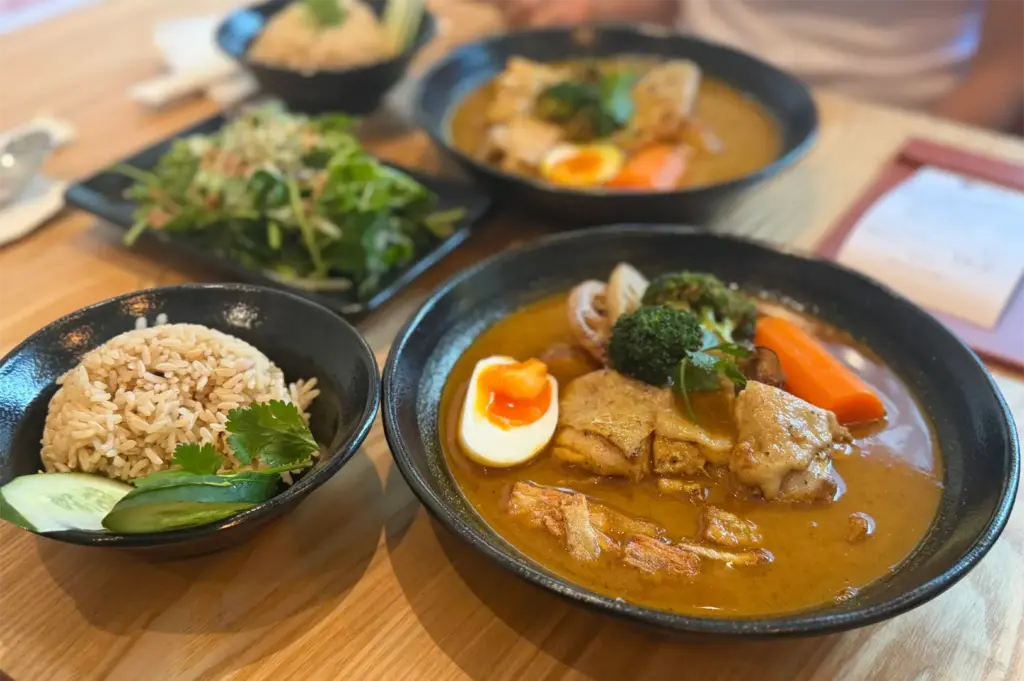
During my early visit, the difference was immediately noticeable. The bowl looked closer to a hearty soup than the curry plate I had expected, and that changed the way I approached the meal.
The Story Behind Soup Curry by Ki-Setsu
Soup Curry by Ki-Setsu is the latest concept from Ki-Setsu Group, following Sushi Masa by Ki-Setsu. While Sushi Masa explores Japanese dining through sushi and omakase, this new restaurant takes a more casual route, bringing the comforting flavours of Hokkaido soup curry to Singapore.
The concept was developed around Chef Masa’s interpretation of the Sapporo-style dish, with the team making its own soup curry recipe rather than relying on a franchise format. The focus is on the elements that define the style: a carefully developed broth, aromatic spices, substantial vegetables and protein served alongside rice.
Ki-Setsu describes the restaurant as Singapore’s first and only authentic Hokkaido soup curry experience, giving the concept a clear point of difference from the Japanese curry restaurants already familiar to local diners. For Singaporeans encountering soup curry for the first time, the restaurant offers an introduction to a regional style that has long been part of Hokkaido’s food culture.
A Bowl Built Around Broth, Rice and Vegetables
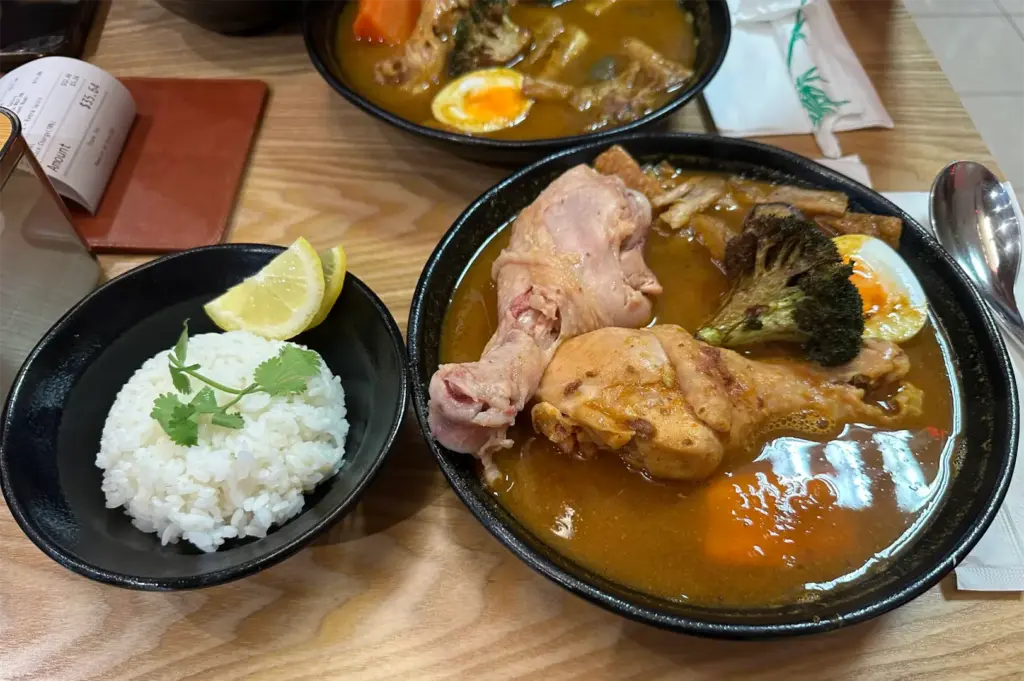
The broth is central to the concept. Ki-Setsu describes it as a chicken-based broth simmered for more than six hours, using chicken bones, curry powder, garam masala, ginger, garlic, onions and tomato paste, with no added MSG. The long cooking process helps develop depth while keeping the broth aromatic and spice-led rather than thick and gravy-like.
The vegetables receive separate attention through su-age, a Japanese preparation technique in which vegetables are flash-fried without batter before being added to the soup. This helps retain their shape, colour and individual texture rather than allowing everything to soften into the broth.
Depending on the menu selection, vegetables can include eggplant, lotus root, okra, pumpkin, potato, broccoli, bell peppers and carrots. As the restaurant is still in its soft-launch period, individual ingredients may change as the menu develops.
What Diners Can Expect
The current soft-launch offering centres on two main bowls:
- Soup Curry Chicken Bowl — S$14.8
- Soup Curry Vegetable Bowl — S$14.80
The chicken bowl comes with chicken alongside vegetables and the curry broth. During my early visit, the chicken was tender and substantial enough to make the bowl feel like a complete meal. The brining gives the meat a more seasoned character, although I found the saltiness became more noticeable as I worked through the broth.
The vegetable bowl puts more attention on the different textures created through the su-age preparation. One important point for diners: the vegetable bowl should not automatically be considered vegetarian, as the published broth is chicken-based.
Spice levels currently range from Level 0 to Level 4, allowing diners to adjust the heat. The lower levels are more approachable, while higher levels provide a more pronounced chilli kick.
Why the Rice Is Served Separately
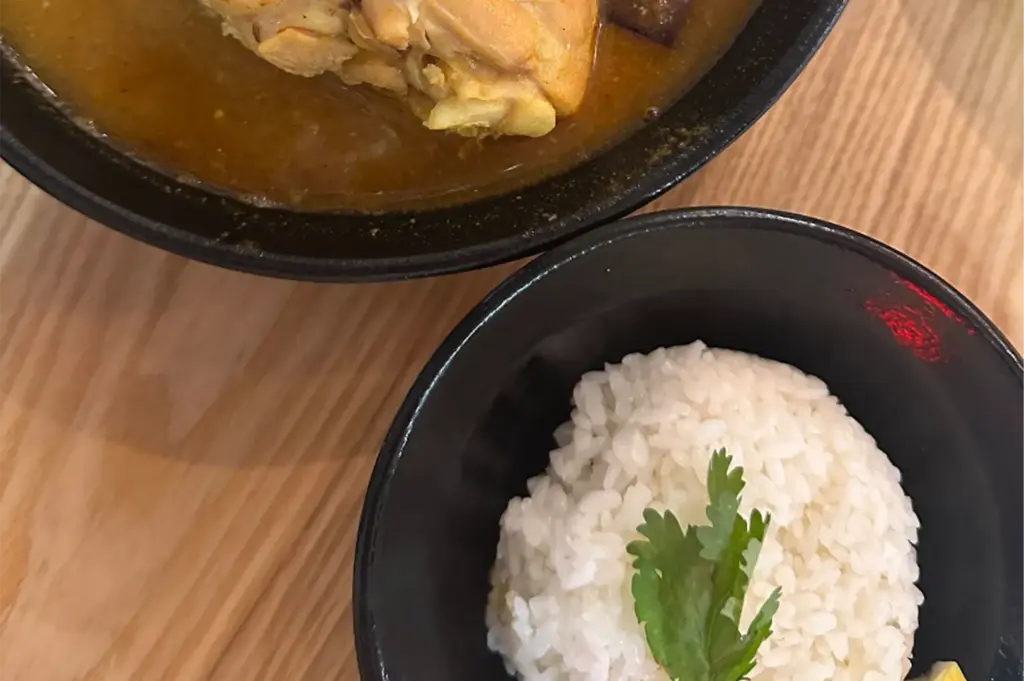
Serving rice apart from the soup is an important part of the Hokkaido style. Rather than having curry poured over the rice, diners can control how much rice accompanies each spoonful.
This also keeps the broth's consistency intact. As the meal progresses, the diner can alternate between tasting the curry on its own and combining it with rice. It is a small difference, but it makes soup curry feel quite different from the familiar Japanese curry-rice format.
For someone trying the style for the first time, this is probably one of the easiest details to notice: the rice is not simply an accompaniment buried underneath the curry.
From Soup Curry by Day to Izakaya by Night
The concept extends beyond the daytime soup curry offering. From 6pm, the space shifts into a more casual izakaya-style format, with soup curry remaining available alongside small plates, appetisers and drinks.
The early menu includes dishes such as Kani Cream Croquette and Masa Chicken Wings, while drinks include sake, Japanese beer and highballs. Menu items and pricing may continue to change during the soft-launch period, so these details are best checked before visiting.
This day-to-night structure gives the restaurant two distinct purposes: a straightforward bowl of Hokkaido soup curry during the day and a more social Japanese dining setting in the evening.
An Early Look During the Soft Launch
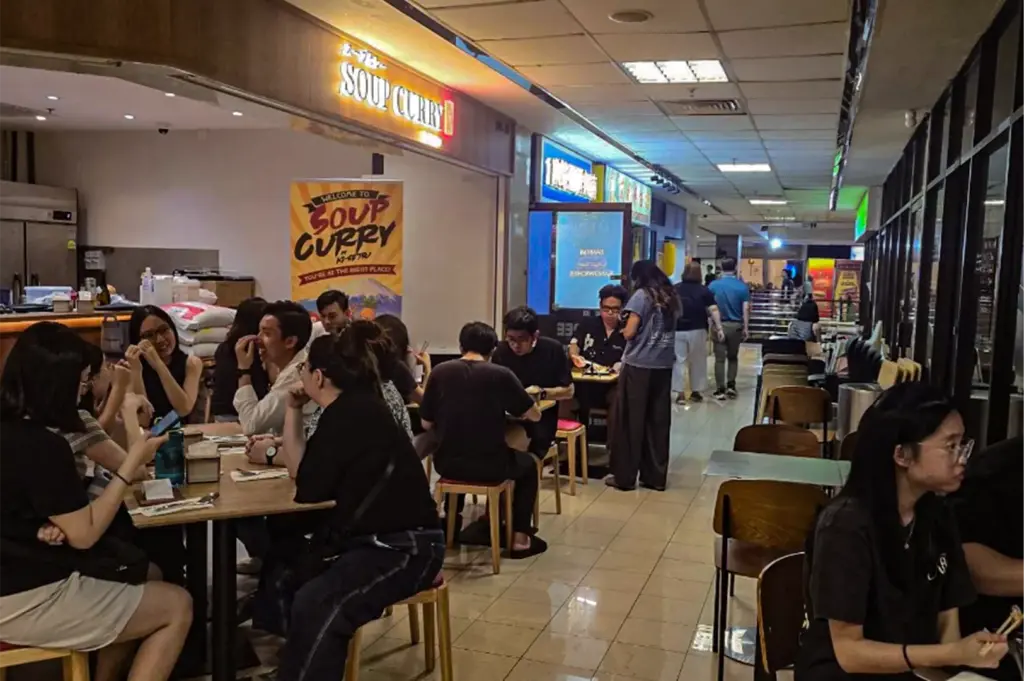
Because the restaurant is still in its soft-launch period, some details are best understood as a snapshot. The restaurant occupies two units on the fourth floor of Fortune Centre at 190 Middle Road, rather than sitting directly along the building's street-level frontage.
The dining room has wooden tables, red-cushioned seating, a long counter and warm lighting. During the lunch period of my visit, the restaurant was busy, giving the relatively new concept an encouraging first impression without saying too much about how it will perform over time.
The current soft-launch period may also involve limited daily availability, with service potentially ending once the day's allocated bowls are sold out. That makes checking the latest information before visiting particularly useful.
Why Soup Curry by Ki-Setsu Is Worth Discovering
What makes the concept interesting is how deliberately it stays focused on the soup curry experience.
- Hokkaido soup curry remains a less familiar style of Japanese curry in Singapore, giving diners a different way to experience spices, vegetables, protein and rice.
- Ki-Setsu has built the concept around specific preparation methods rather than simply adding curry to a broad Japanese menu. The long-simmered broth, separately prepared vegetables and separate rice all contribute to that identity.
- The evening izakaya direction gives the space a broader purpose beyond lunch, although the restaurant is still establishing its rhythm during this early period.
Taken together, these details give the meal a different structure from the usual Japanese curry rice. That difference is the real point of discovery.
Looking Ahead to the Official Opening
Soup Curry by Ki-Setsu is scheduled for its official opening on 8 October 2026. Until then, opening hours, menu availability, pricing and service details may continue to change as the restaurant moves through its launch period.
The restaurant's current website lists Monday to Saturday, 11:30am–1:30pm for lunch and 6pm–9pm for dinner, with Sunday closed. Diners planning an early visit should check the latest details before heading to Fortune Centre, particularly while the restaurant remains in soft launch. For more information and updates on their opening, check their Instagram account here.
A Different Bowl of Japanese Curry
Soup Curry by Ki-Setsu offers Singapore diners an introduction to a form of Japanese curry that works differently from the familiar curry-and-rice format. Its Sapporo-inspired approach puts the broth, vegetables, protein and separate rice on equal footing.
At this stage, the restaurant is still in its soft-launch period, making this an early look at a concept that is continuing to take shape. The core idea, however, is already clear: a dedicated Hokkaido soup curry experience by day, followed by an izakaya-style setting in the evening.
For diners curious about regional Japanese food, Ki-Setsu offers an opportunity to encounter a style of curry that remains relatively unfamiliar in Singapore, and to see how a Sapporo comfort food translates to a new table.