

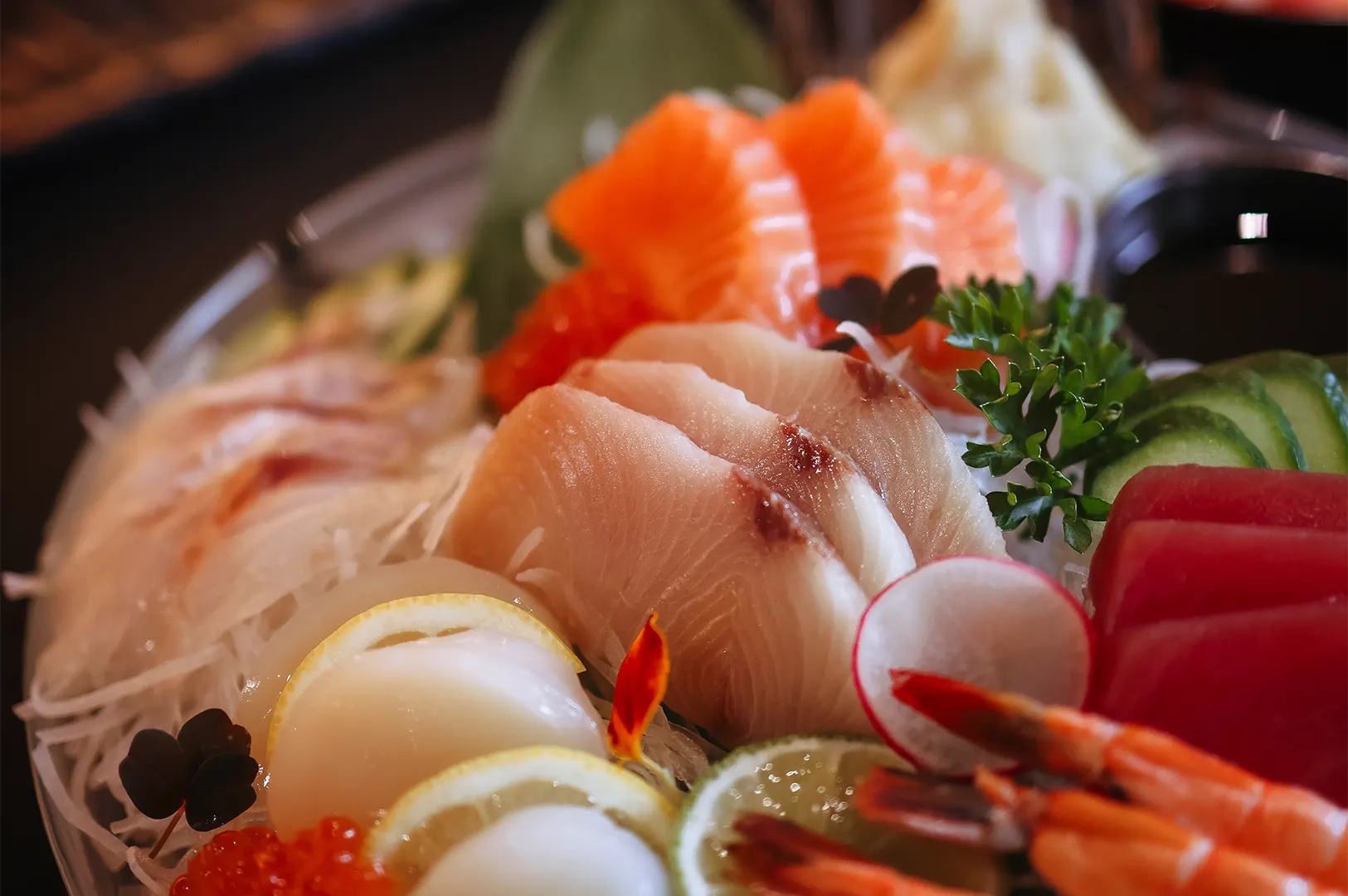
There are meals that ask for heat, and then there are meals that ask for restraint. Sashimi belongs to the second kind. A good sashimi piece is quiet on the plate: thinly sliced, lightly handled, and served raw so the natural flavors of the fish meat can come through.
For this best sashimi Singapore guide, I looked at places where sashimi is not an afterthought. Some are built around raw fish and rice bowls, while others lean into tuna sashimi, salmon sashimi, assorted sashimi, and fresh seafood prepared by skilled chefs. This is a list for sashimi lovers who want more than the usual sushi restaurants.
Best Sashimi Singapore Shortlist
Restaurant | Area |
|---|---|
Tanjong Pagar / Guoco Tower | |
Multiple outlets | |
Thomson / Novena / Raffles City | |
Multiple outlets | |
Odeon Towers / CBD |
1. Kuro Maguro: Bluefin Tuna, Fatty Tuna, and Maguro Sashimi
Price feel: mid to premium
Sashimi options: tuna sashimi, bluefin tuna, fatty tuna, uni, salmon roe
Best for: diners who want a tuna specialist rather than a broad Japanese restaurant
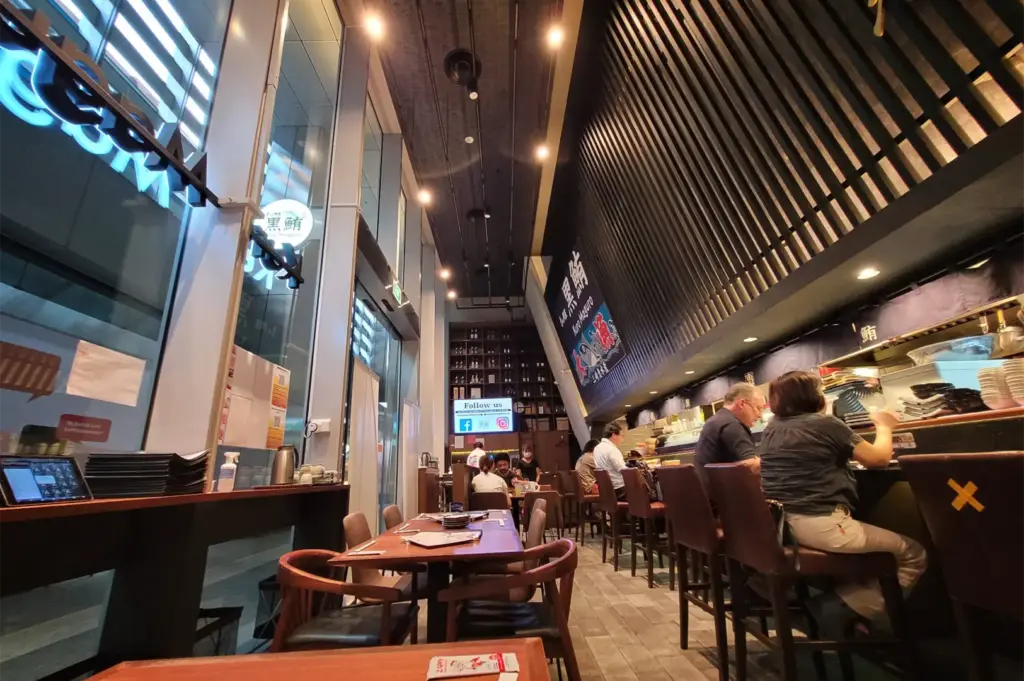
Kuro Maguro is one of the clearest sashimi-focused restaurants in Singapore because its identity begins with tuna. It is part of a Japanese seafood group connected to maguro supply, and the restaurant sits at 7 Wallich Street, #01-04, Guoco Tower. Current operating hours are listed as weekday lunch from 11:30am to 2pm, dinner from 5:30pm to 10pm, and weekend or public holiday dinner until 9pm.
This is where I would go for bluefin tuna, lean tuna, medium fatty tuna, and fatty tuna with higher fat content. The best dishes to look for are maguro sashimi, tuna rice bowls, uni, salmon roe, and lightly seared tuna cuts. When the fish is good, the taste is not loud. It has a clean, meaty texture and a buttery flavor that lingers without feeling heavy.
2. Teppei Syokudo: Raw Fish Rice Bowls for a Quick Meal
Price feel: casual to mid-range
Sashimi options: signature kaisendon, DIY kaisendon, sashimi rice bowls
Best for: office lunch, takeaway, or a quick sashimi meal
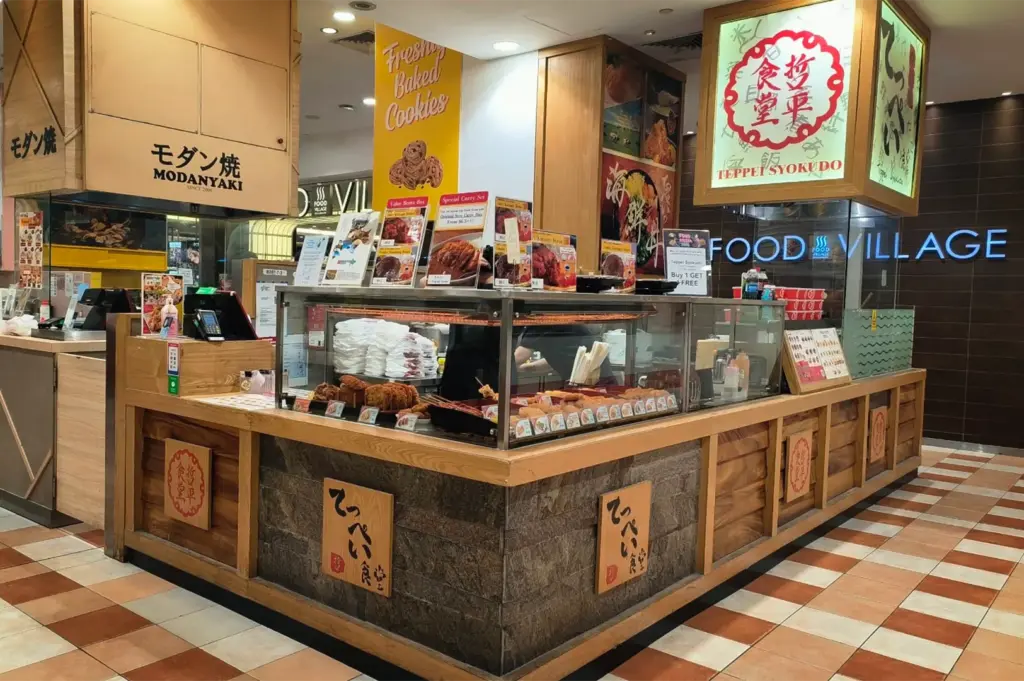
Teppei Syokudo is a more casual way to eat sashimi. It is not a hushed counter or a long dinner. It is built for kaisendon, where raw seafood is placed over rice and served as a quick, satisfying meal. The brand is known for its signature kaisendon, and mall listings describe it as a place to get the Teppei kaisendon fix without the long wait of the flagship restaurant.
This is the place I would choose when I want sashimi over rice during lunch, without turning the day into an occasion. The bowl format gives a good mix of textures: soft fish, vinegared rice or sushi rice, soy sauce, wasabi, and sometimes a sweet flavor from seafood or sauce. It is simple, filling, and easy to return to.
3. Omoté: Salmon Sashimi, Chirashi, and Modern Japanese Cuisine
Price feel: mid-range
Sashimi options: salmon sashimi, chirashi, sashimi moriawase, seafood bowls
Best for: modern sashimi bowls, casual dinner, and groups with mixed appetites
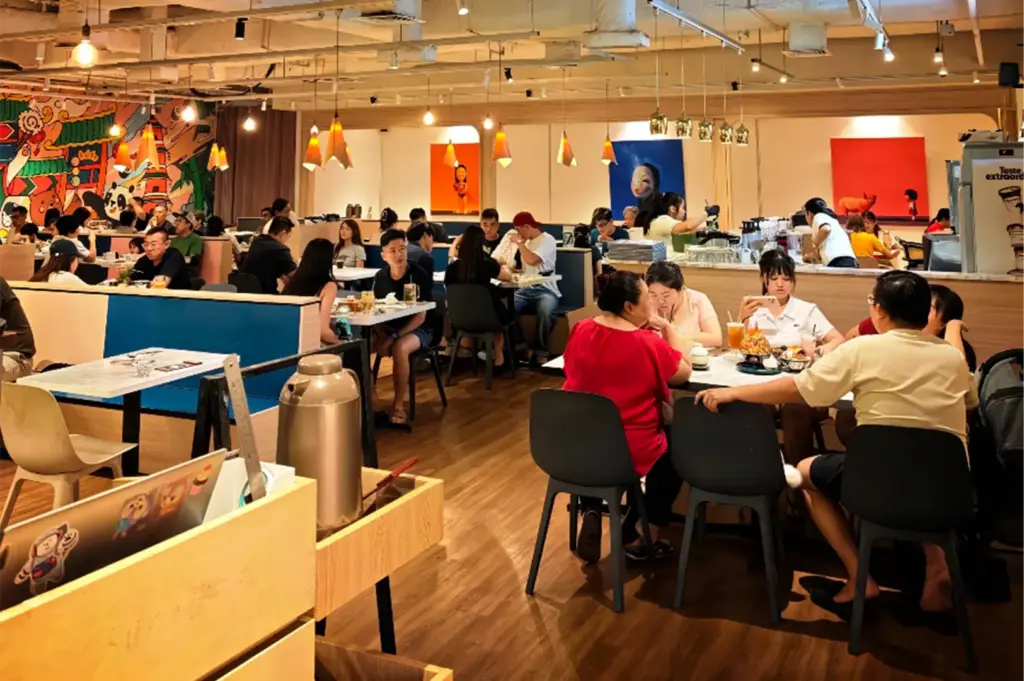
Omoté is a modern Japanese cuisine spot with outlets including Thomson Plaza, Raffles City, and Velocity. It is not only a sashimi restaurant, but chirashi and sashimi bowls are central to why many diners visit. Its Thomson Plaza presence also gives this list a helpful neighbourhood spread beyond the CBD.
The bowls here are for diners who like variety. Think salmon sashimi, tuna, octopus, rice, sauces, and toppings arranged in a way that feels more generous than formal. If available, the sashimi moriawase, salmon ikura don, and chirashi bowls are the menu items to consider. The fish is often thinly sliced or cubed, giving each bite a different texture from a traditional sashimi plate.
4. Kei Kaisendon: Fresh Sashimi and Rice Bowls Across Singapore
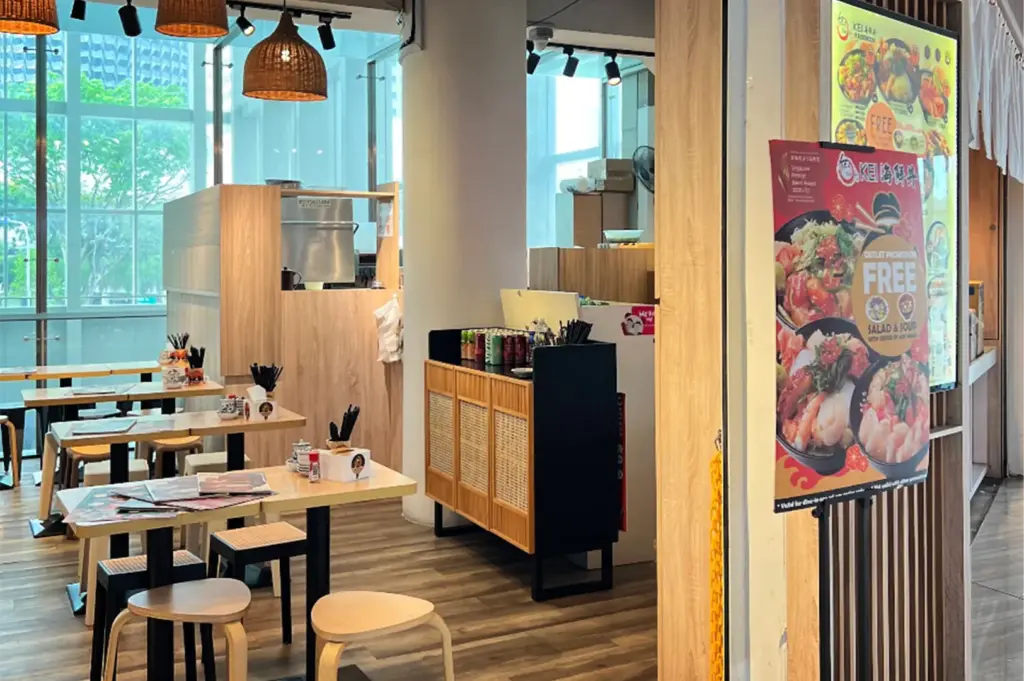
Price feel: accessible, often around casual dining range
Sashimi options: kaisendon, salmon sashimi, scallops, ika, seafood bowls
Best for: sashimi rice bowls that are easy to find around Singapore
Kei Kaisendon keeps the idea direct. Its focus is kaisendon, a Japanese seafood bowl served over rice with premium sashimi and fresh seafood. The official site describes the concept around sashimi rice bowls made with fresh seafood daily, which makes it one of the most straightforward choices in this guide.
This is the kind of place that works when you want to eat sashimi without thinking too much about formality. A bowl may include salmon, ika, scallops, sweet shrimp, or other seafood depending on the menu. Add soy sauce carefully, use wasabi if you like heat, and let the fish stay the main thing.
5. Standing Sushi Bar: Assorted Sashimi, Sushi Chefs, and Casual Dining
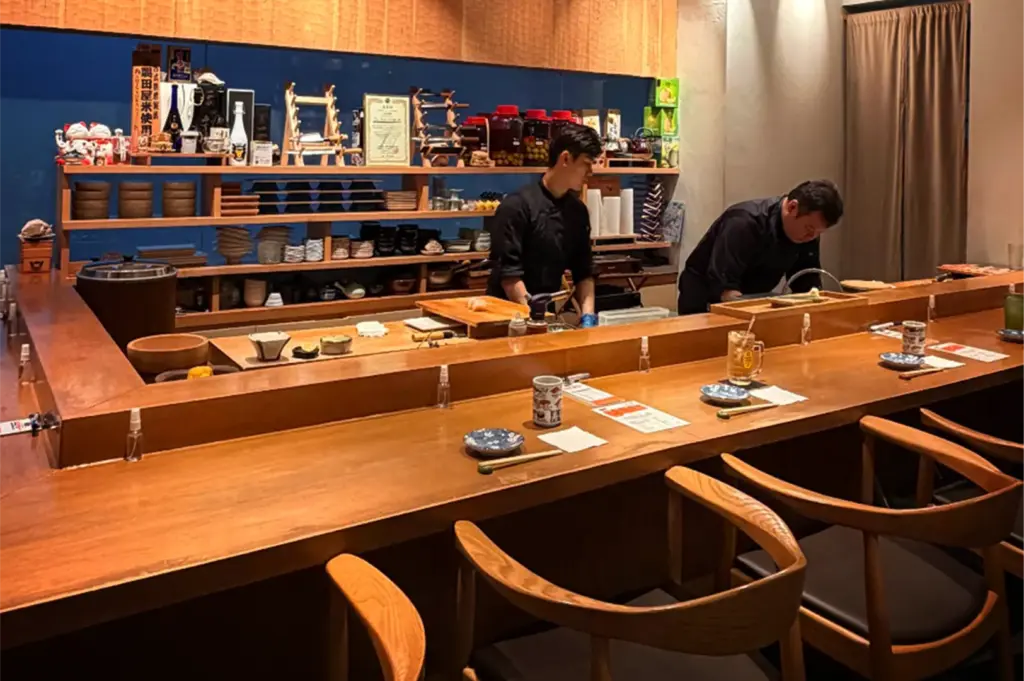
Price feel: casual to mid-range
Sashimi options: salmon sashimi, assorted sashimi, kaisendon, sushi platters
Best for: group meals, casual raw fish cravings, and CBD dining
Standing Sushi Bar is the most casual group-friendly pick here. At the Odeon Towers outlet, the restaurant lists lunch and dinner service on weekdays, all-day weekend dining, and a last order timing of 9pm for dine-in. The official site also notes that fish is filleted on-site by sushi chefs, which matters when fresh sashimi is the reason to visit.
This is a good table for assorted sashimi, salmon sashimi, sushi, nigiri sushi, rice bowls, and platters. It is less quiet than a small counter, but it has an easy rhythm. Friends can order a small dish, a sashimi plate, maybe mackerel sushi or aburi seafood, and stay within a familiar Japanese restaurant setting.
Raw Fish, Fish Meat, and Japanese Cuisine: How to Eat Sashimi Well
Lorem ipsum dolor sit amet, consectetur adipiscing elit. Ut elit tellus, luctus nec ullamcorper mattis, pulvinar dapibus leo.
Sashimi is often understood as raw fish, but the wider world of Japanese cuisine includes many types of sashimi. Common examples include salmon belly, white fish, skipjack tuna, cured mackerel, surf clam, red shrimp, sweet shrimp, sea urchin, and ika somen, where squid is cut into thin strips.
The usual way to eat sashimi is simple. Add a little soy sauce, touch the sashimi piece with wasabi if you like, and use pickled ginger between bites rather than piling it onto the fish. Some plates may come with shredded daikon radish, daikon radish, or grated ginger, especially when the fish has a firmer texture or distinctive flavor.
Chicken Sashimi, Horse Meat, Cured Mackerel, Skipjack Tuna, Surf Clam, and Ika Somen: What to Know
Not everything served raw should be approached the same way. In Japan, there are regional traditions around chicken sashimi, horse meat, raw beef, and other raw food, but these are not commonly eaten in the same way in Singapore. For safety, I would stick to trusted restaurants and sashimi-grade seafood handled by trained kitchens.
Fresh fish that is eaten raw should be handled carefully. Freezing fish, proper storage, and clean preparation reduce risks like food poisoning. This matters especially for wild salmon, farmed salmon, mackerel, and other fish that may carry different handling requirements. When in doubt, choose places with clear sourcing, steady turnover, and skilled chefs.
A Few Quiet Tips Before You Eat Sashimi
Sashimi is best eaten fresh, before the plate warms too much. Start with lighter white fleshed fish or white tuna-style cuts, then move to richer tuna, salmon belly, sea urchin, or fatty tuna. This keeps the palate clear enough to notice subtle flavors.
If the plate includes shellfish, surf clam may bring a crunchy texture, while sweet shrimp and red shrimp often have a mild flavor and gentle sweetness. Cured mackerel has a stronger, more distinctive flavor, while skipjack tuna can feel deeper and more savoury. These qualities are what set authentic sushi restaurants in Singapore apart, where the focus is on showcasing the natural taste and texture of premium sashimi meat.
Finding the Sashimi Table That Fits
The best choice depends on the kind of meal you want. For prized fish and tuna cuts, Kuro Maguro is the strongest pick. For a quick bowl, Teppei Syokudo and Kei Kaisendon keep things easy. For chirashi and salmon sashimi, Omoté gives more variety. For a casual table with friends, Standing Sushi Bar is reliable.
Good sashimi does not need to be dramatic. It only needs to feel clean, balanced, and carefully served. When the fish, rice, soy sauce, and wasabi all do their part quietly, the meal becomes memorable without trying too hard.
For those who enjoy pairing their sashimi with a relaxed atmosphere and a variety of Japanese drinks and dishes, check out our guide to the Best Izakaya Singapore: 9 Spots Worth Slowing Down For, featuring cozy spots perfect for unwinding after a fresh seafood meal.