

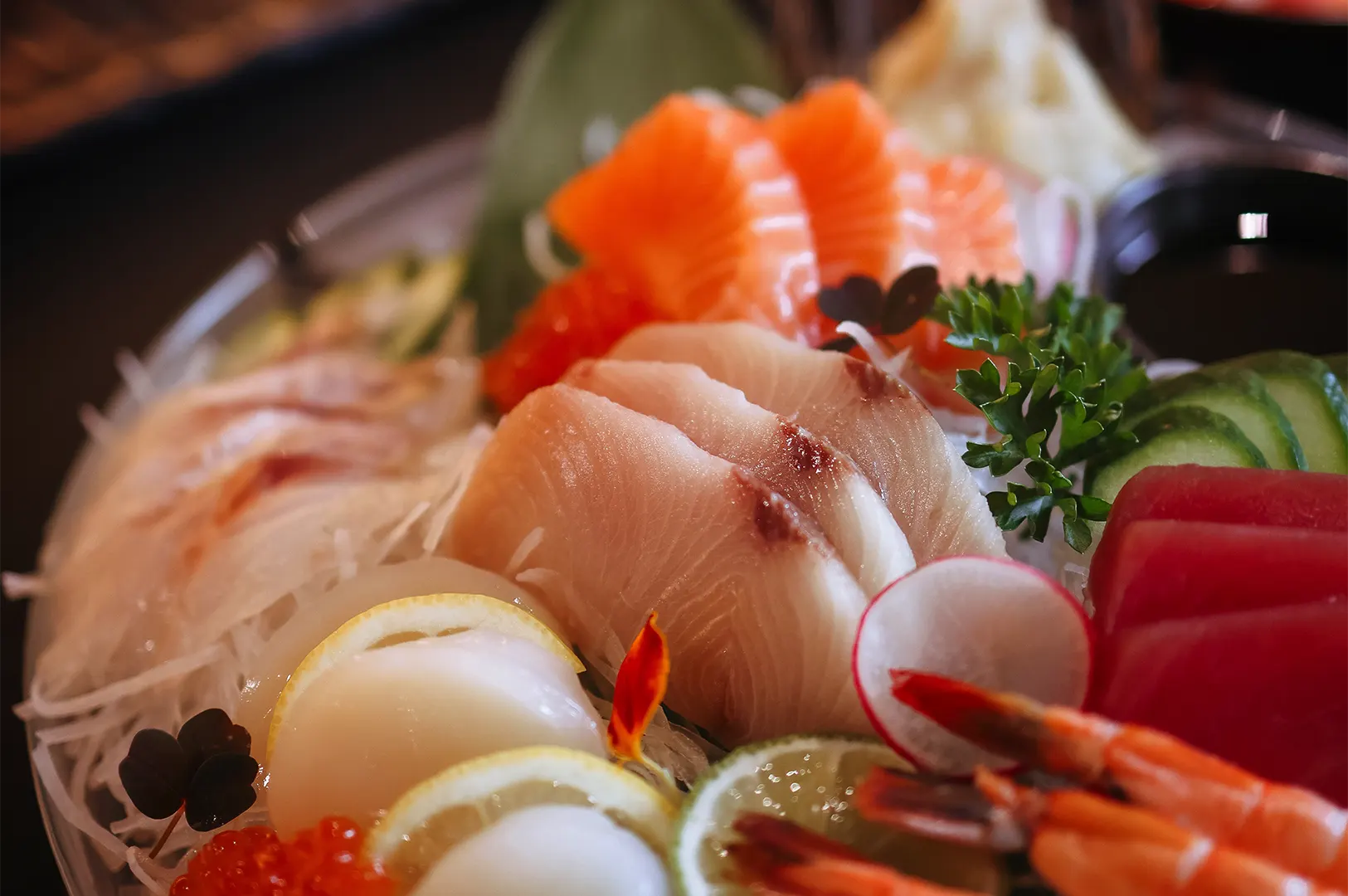
There are meals that ask for heat, and then there are meals that ask for restraint. Sashimi belongs to the second kind. A good sashimi piece is quiet on the plate: thinly sliced, lightly handled, and served raw so the natural flavors of the fish meat can come through. This respect for the ingredient is a hallmark of traditional sashimi, which relies on premium ingredients, precise knife work, and minimal seasoning with traditional condiments like soy sauce and wasabi.
For this best sashimi Singapore guide, I looked at places where sashimi is not an afterthought. Some are built around raw fish and rice bowls, while others lean into tuna sashimi, salmon sashimi, assorted sashimi, and fresh seafood flown in from Japan prepared by skilled chefs. This is a list for sashimi lovers who want more than the usual sushi restaurants and appreciate the vibrant izakaya culture and casual dinners that celebrate seasonal ingredients.
Best Sashimi Singapore Spots
| Restaurant | Area |
|---|---|
| Kuro Maguro | Tanjong Pagar / Guoco Tower |
| Araya Shouten | Tanglin Mall |
| Omoté | Thomson / Novena / Raffles City |
| Kei Kaisendon | Multiple outlets |
| Standing Sushi Bar | Odeon Towers / CBD |
| Sushi Katori | Tanjong Pagar |
1. Kuro Maguro: Bluefin Tuna, Fatty Tuna, and Maguro Sashimi
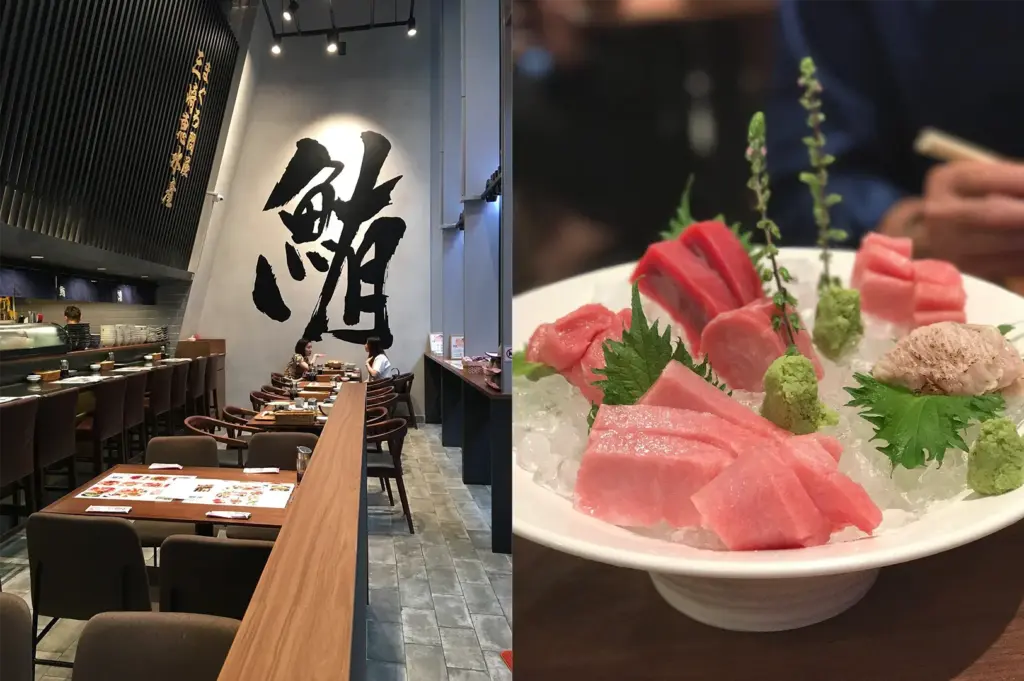
Location: 7 Wallich Street, #01-04, Guoco Tower
Price feel: Mid to premium
Dining setup: Modern Japanese restaurant with counter and table seating
Best for: Tuna-focused sashimi and rice bowls
Kuro Maguro is a natural choice for this best sashimi Singapore guide because tuna is central to its menu. The Japanese restaurant focuses on bluefin tuna, with different cuts offering varying levels of richness and texture.
Diners can look out for maguro sashimi, fatty tuna, salmon sashimi, uni and salmon roe, depending on the current menu and availability. Tuna also features in its rice bowls for those who want a more substantial meal.
What sets Kuro Maguro apart is its focus. Rather than treating sashimi as one part of a broad Japanese menu, it gives tuna a more prominent role. For sashimi lovers, it is a useful place to explore the difference between leaner and richer tuna cuts.
Sashimi Highlights
Bluefin tuna
Fatty tuna
Maguro sashimi
Salmon sashimi
Uni and salmon roe
Tuna rice bowls
2. Araya Shouten: Seasonal Japanese Sashimi and Rare Fish From the Source
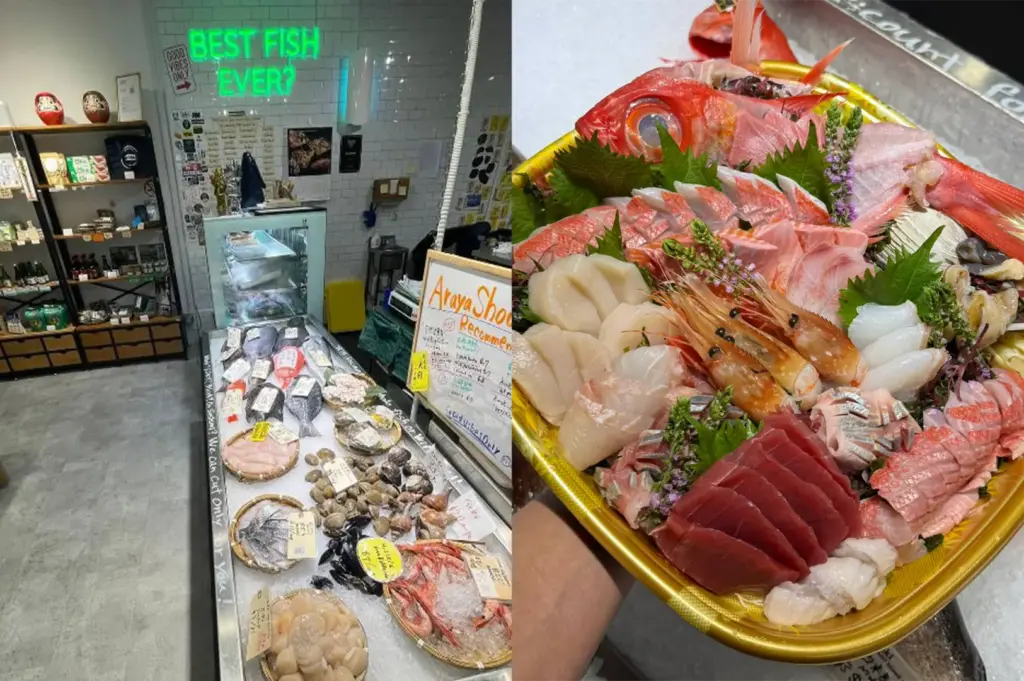
Location: Tanglin Mall, 163 Tanglin Road
Price feel: Mid to premium
Dining setup: Japanese fishmonger and seafood counter
Best for: Seasonal sashimi, rare Japanese fish, and premium seafood to enjoy at home
Araya Shouten offers a different perspective on this best sashimi Singapore guide. Rather than operating around a fixed menu like a conventional Japanese restaurant, Araya Shouten follows the catch, bringing in fresh ingredients and seasonal seafood from Japanese fishing ports. For sashimi lovers, that means the selection can change according to what is genuinely worth eating at the time.
The range goes beyond the familiar salmon and tuna found on many restaurant menus. Depending on the catch, diners can discover Japanese sashimi, seasonal white fish, botan ebi, and rarer species that are not always easy to find in Singapore. The same philosophy also means you may encounter richer cuts such as tuna belly or salmon belly when the right fish is available.
What makes Araya Shouten particularly interesting is what happens before the seafood reaches the counter. Araya-san works directly with fishing ports and suppliers in Japan, teaching them specialised handling methods including Shinkei Jime and Sumotoshiki blood removal to preserve texture and flavour from the source.
For diners comparing restaurant experiences (from Tomi Sushi, Sushi Sato, Koji Sushi Bar, Ganko Sushi, Shinji by Kanesaka, Sushi Ichi, or Sushi Dan) Araya offers something different. You are not coming for a dinner omakase, elaborate signature dishes, or a long dinner menu. You are coming for the fish itself, whether that means taking home the best sashimi in Singapore for a quiet meal or building a kaisen chirashi don around the freshest catch.
Sashimi Highlights
Seasonal Japanese sashimi
Seasonal white fish
Botan ebi
Tuna belly, when available
Salmon belly, when available
Rare and seasonal Japanese seafood
3. Omoté: Salmon Sashimi, Chirashi, and Modern Japanese Cuisine
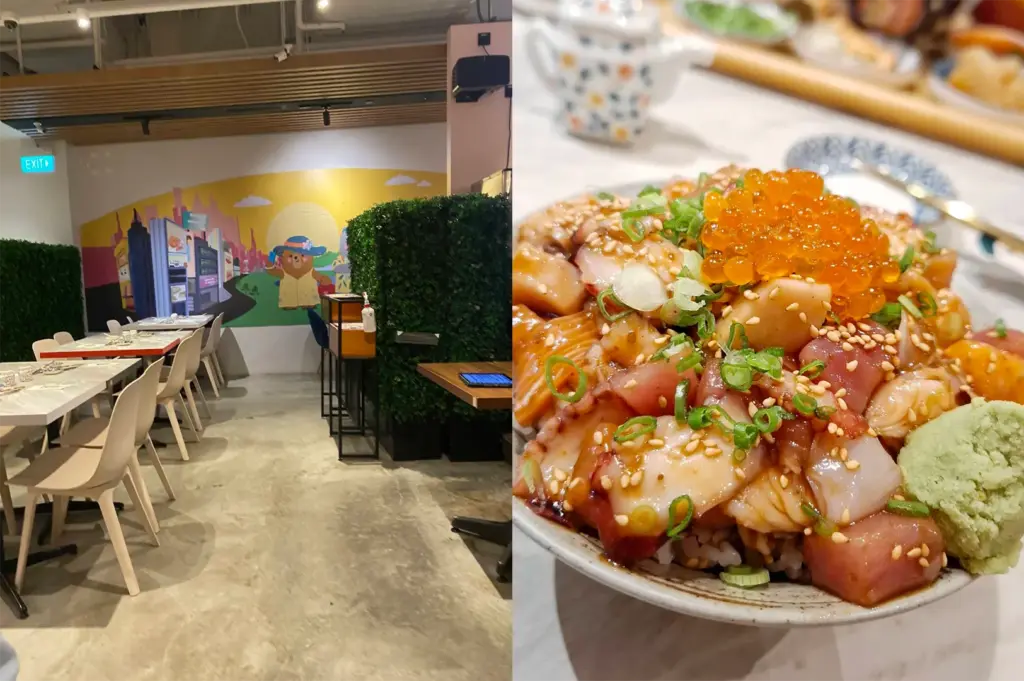
Location: Multiple outlets, including Thomson Plaza and Raffles City
Price feel: Mid-range
Dining setup: Casual modern Japanese restaurant
Best for: Chirashi bowls, salmon sashimi and group dining
Omoté takes a more contemporary approach to Japanese cuisine, with chirashi and seafood bowls forming a major part of its appeal. Unlike a traditional sushi bar, the restaurant presents raw fish alongside rice, sauces and toppings in generous combinations.
Its menu can include salmon sashimi, tuna, octopus, salmon ikura don and assorted sashimi options. The combination of seafood and rice makes the bowls approachable for diners who want a complete meal rather than a standalone sashimi platter.
Omoté is also useful for groups because its menu extends beyond sashimi into other Japanese dishes. For diners looking for modern Japanese cuisine with plenty of seafood and rice-bowl options, it offers a more relaxed alternative to formal Japanese dining.
Sashimi Highlights
Salmon sashimi
Salmon ikura don
Assorted sashimi
Chirashi bowls
Tuna and octopus
Seafood rice bowls
4. Kei Kaisendon: Fresh Sashimi and Rice Bowls Across Singapore
Location: Multiple outlets in Singapore
Price feel: Accessible to mid-range
Dining setup: Casual Japanese restaurant
Best for: Kaisendon and fresh seafood rice bowls
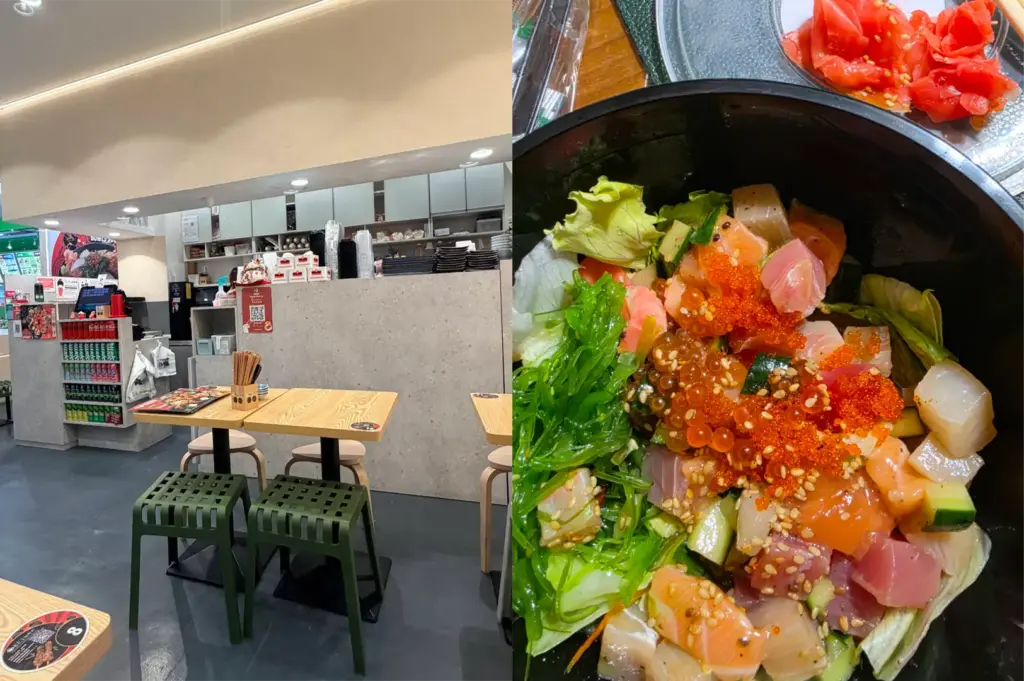
Kei Kaisendon keeps its focus straightforward: fresh seafood and sashimi served over Japanese rice. The concept is built around kaisendon, making it one of the more direct options for diners searching for a casual sashimi Singapore experience.
Depending on the current menu, bowls can feature salmon sashimi, tuna, scallops, ika and sweet shrimp, alongside other seasonal seafood. The seafood provides different textures, while the rice turns the sashimi into a more filling meal.
For diners who prefer casual Japanese food, Kei Kaisendon offers an easy middle ground between a takeaway-style seafood bowl and a full-service sushi restaurant. Its straightforward format also makes it suitable for a quick lunch when the focus is on fresh sashimi rather than elaborate presentation.
Sashimi Highlights
Kaisen don
Salmon sashimi
Tuna
Scallops
Ika
Sweet shrimp
Seasonal seafood
5. Standing Sushi Bar: Assorted Sashimi, Sushi Chefs, and Casual Dining
Location: Odeon Towers
Price feel: Casual to mid-range
Dining setup: Casual sushi bar with counter and table seating
Best for: Assorted sashimi, sushi and group meals
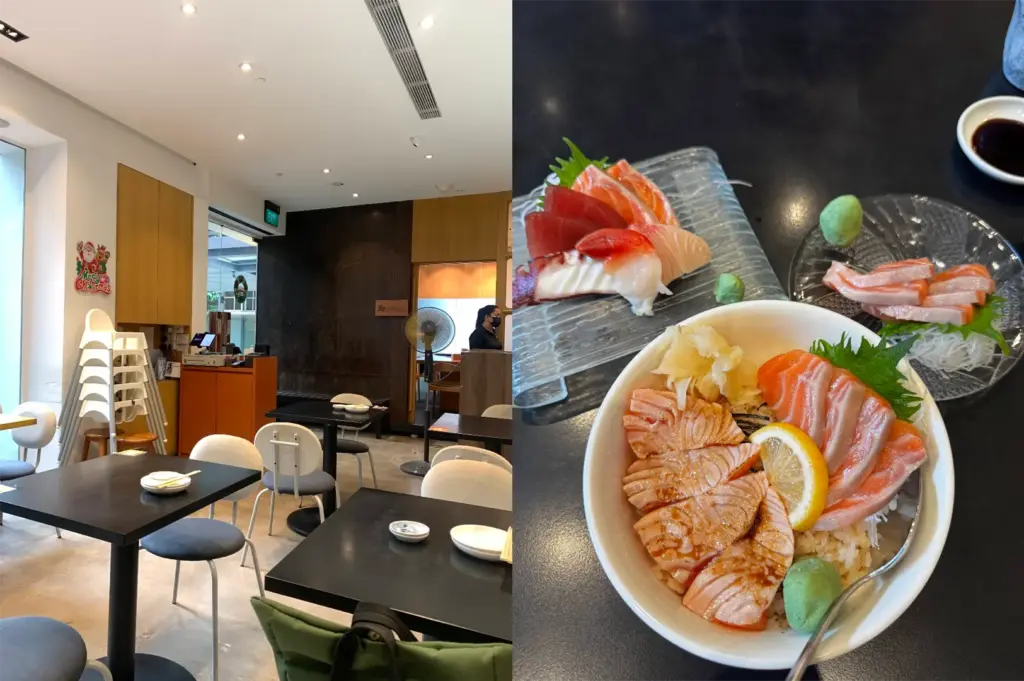
Standing Sushi Bar offers a more relaxed sushi bar experience, with sashimi, sushi and other Japanese dishes available alongside rice bowls. At its Odeon Towers outlet, the restaurant provides a convenient option for CBD diners looking for fresh seafood without moving into a formal omakase setting.
The menu includes salmon sashimi, assorted sashimi, nigiri sushi and kaisendon, giving diners several ways to enjoy raw fish. The restaurant also notes that its fish is filleted on-site by sushi chefs, adding another point of interest for diners who care about preparation.
Its casual atmosphere works particularly well for groups. You can share an sashimi platter, add some nigiri sushi or sushi rolls, and turn the meal into a broader Japanese dining experience.
Sashimi Highlights
Salmon sashimi
Assorted sashimi
Sashimi platters
Nigiri sushi
Kaisendon
Seasonal fish
6. Sushi Katori: Edomae Sashimi with a Focus on Fish Quality
Location: 21 Tanjong Pagar Road, #01-03
Price feel: Premium
Dining setup: Intimate sushi counter
Best for: Seasonal sashimi and chef-led Japanese dining
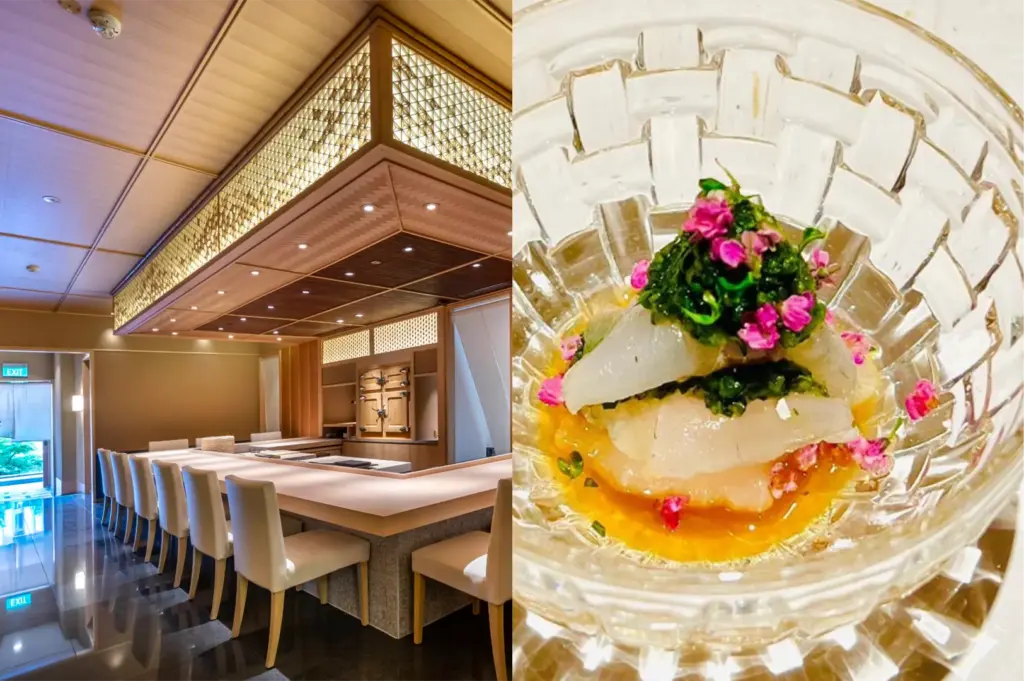
Sushi Katori brings a more traditional approach to the best sashimi Singapore discussion. Located along Tanjong Pagar Road, the Japanese restaurant specialises in Edomae sushi, seasonal seafood and chef-led counter dining.
The restaurant’s sashimi is part of its omakase menu, with the fish selection changing according to season and availability. Michelin notes that the sashimi is cut slightly thicker to highlight the texture and flavour of the fish, while the restaurant sources seafood from Toyosu Market.
For diners with a discerning palate, the experience is less about a large bowl of raw seafood and more about how individual ingredients are handled. Alongside seasonal sashimi, the menu includes nigiri sushi, cooked dishes, miso soup and other elements of traditional Japanese cuisine.
Sashimi Highlights
Seasonal sashimi
Moriawase Signature Platter
Premium Japanese seafood
Seasonal fish
Nigiri sushi
Edomae sushi
Fresh Seafood and Good Sashimi: What to Look For Best Sashimi Singapore Offers
Lorem ipsum dolor sit amet, consectetur adipiscing elit. Ut elit tellus, luctus nec ullamcorper mattis, pulvinar dapibus leo.
Sashimi may look simple on the plate, but several details affect how it tastes. Fresh seafood, proper handling, temperature, cutting technique and the natural texture of the fish all contribute to the final bite.
When choosing fresh sashimi, look beyond the number of pieces on the plate. Salmon sashimi should have a clean appearance and a firm yet tender texture, while different cuts of tuna can range from lean and meaty to rich and buttery. Seasonal seafood and white fish may offer subtler flavours and firmer textures, depending on the species.
The cut also matters. Some fish work well with thin slices, while others benefit from a thicker cut that allows their texture to come through. This is particularly noticeable at a traditional sushi counter, where skilled chefs can adjust the cut according to the fish. Sushi Katori, for example, is known for cutting its sashimi slightly thicker to emphasise its texture and flavour.
A few simple things to keep in mind:
Freshness: The fish should have a clean, fresh aroma rather than an unpleasant fishy smell.
Texture: Different species should have their own characteristic texture; fatty tuna, for example, should feel noticeably richer and softer than lean white fish.
Temperature: Sashimi should be properly chilled without being so cold that its flavour becomes muted.
Cut: The thickness should suit the fish rather than follow one fixed style.
Seasoning: Use soy sauce and wasabi sparingly so they complement rather than overpower the fish.
At a good Japanese restaurant, the preparation should allow the seafood to remain the main focus. Whether you’re having an affordable rice bowl or sitting at a premium sushi bar, these details are often more useful indicators of quality than simply choosing the restaurant with the largest sashimi platter.
Sashimi in Singapore: How to Choose Between a Bowl, Platter and Sushi Counter
The sashimi Singapore scene covers more than one style of dining. A kaisendon gives you raw seafood over rice, while an assorted sashimi platter lets the fish stand on its own. At an omakase restaurant, seasonal sashimi may arrive as part of a longer progression alongside nigiri sushi and cooked dishes.
For a casual meal, places such as Teppei Syokudo and Kei Kaisendon make rice bowls the centre of the experience. Omoté offers a more modern Japanese approach, while Kuro Maguro focuses heavily on tuna, including bluefin tuna and fatty cuts.
A restaurant such as Sushi Katori takes the traditional route. Its omakase menu combines sashimi, nigiri sushi, seasonal dishes and other elements of traditional Japanese cuisine, making it more suited to diners looking for a complete Japanese dining experience rather than a quick bowl.
Discovering Premium Sashimi and Freshest Catches in Singapore
The appeal of sashimi in Singapore is that there is no single way to enjoy it. A casual kaisendon works when you want fresh seafood with rice, while a sashimi platter makes more sense when the fish itself is the centre of the meal. Good sashimi does not need an elaborate explanation. When the fish is fresh, the cut suits the ingredient and the preparation is handled carefully, there is usually little need to add much more.
For those who enjoy pairing their sashimi with a relaxed atmosphere and a variety of Japanese drinks and dishes, check out our guide to the Best Izakaya Singapore: 9 Spots Worth Slowing Down For, featuring cozy spots perfect for unwinding after a fresh seafood meal.