

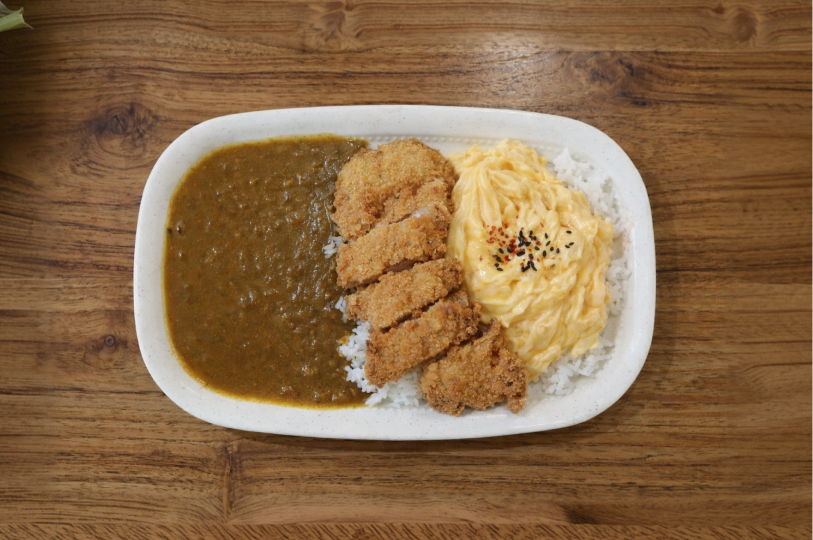
Japanese Food Queue Singapore Waiting for Curry Rice Worth Every Bite
On most weekday evenings in Tanjong Pagar, just before the sun slips behind the office towers, a line begins to form.
It is not loud. No one complains much. A couple stands shoulder to shoulder, scrolling through photos of what they are about to order. A junior associate loosens his tie. Two friends debate spice levels with the seriousness of people who have done this before. The queue stretches past bridal boutiques and Korean BBQ restaurants, curving gently along the pavement like it belongs there.
They are waiting for Japanese curry rice.
In Singapore, a queue can mean many things. Hype. Scarcity. A soft opening that went viral. But a 45 minute wait for curry rice, a dish many of us grew up eating in food courts and family restaurants, feels different. It asks a quiet question: Could this be the best Japanese curry Singapore has to offer?
The answer is not spectacle. It is care.
Best Japanese Curry Tanjong Pagar: A Familiar Dish Treated With Respect
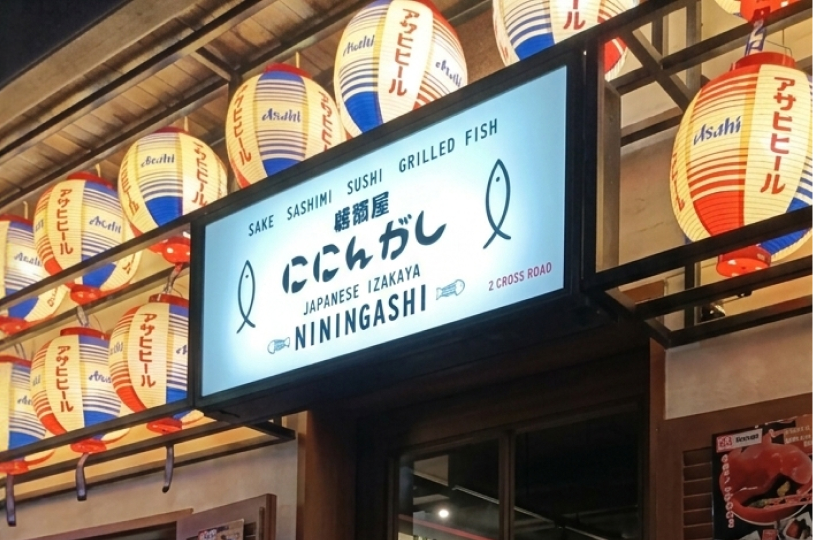
From the outside, some restaurants may seem understated. No flashing signboards. No oversized banners announcing that it opened recently. Just a modest storefront along Tanjong Pagar Road, operating almost like a workshop rather than a restaurant.
Inside, the counter seats place diners close to the action. You see the curry being ladled. You hear the oil crackle as pork katsu or chicken cutlet is deep fried. You notice how the rice is shaped carefully before the sauce is poured.
In Japan, Japanese curry rice is everyday food. It is served in school canteens, at train stations, and at casual family restaurants. It is not usually the star of fine dining conversations. Sushi and omakase dominate those spaces. Here, curry is given the same discipline without turning it into something unfamiliar.
No dramatic plating. Just a dark, glossy sauce that looks like it has been cooked with patience.
And it has.
Japanese Curry Rice Built on Time and Balance
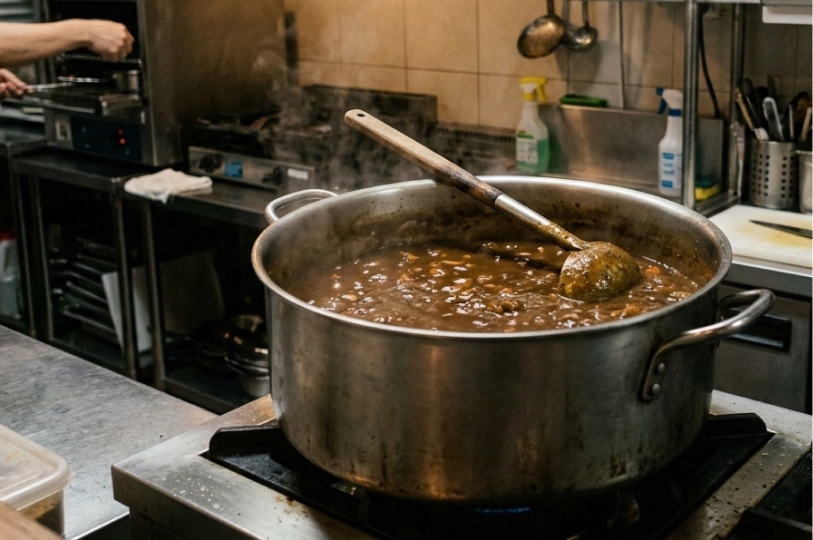
Regulars will tell you the base takes close to 48 hours. Onions are caramelized until they lose their sharpness and turn almost jam like. Beef bones are simmered for depth. Carrots soften into the sauce, contributing sweetness without overwhelming the savoury flavour. The result is a curry that feels rounded and complete.
The spice levels matter here. Unlike milder chains such as Coco Ichibanya at Millenia Walk, the heat builds gradually. It does not rush in. It settles slowly, warming rather than burning. You can adjust your spice levels when you order, but even the standard version carries character.
It is the kind of flavour that stays with you long after the meal ends. Not because it is dramatic, but because it feels considered.
In a neighbourhood filled with quick lunches and tightly scheduled dinners, this kind of slow cooking stands out.
For more food guides and dining experiences in Singapore, visit https://eatplaystay.com.sg/.
Pork Katsu Curry, Chicken Cutlet, and the Craft of a Single Bite
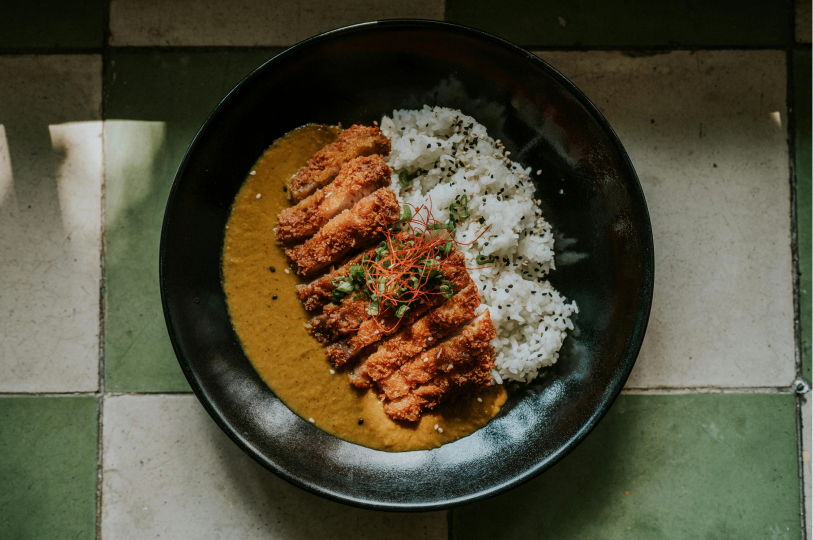
If the curry is the heart, the pork katsu curry is the most requested pairing.
The pork cutlet is thick rather than thin. It goes through a two stage frying process. First at a lower temperature to cook the meat through gently, then at a higher heat to crisp the panko coating. When it reaches the counter, the chef slices it carefully before placing it beside the rice.
The crunch is clear. The meat inside remains tender and juicy.
Some days there is a bellota loin katsu curry option, slightly richer and more indulgent. Others prefer the chicken cutlet if they want something lighter. A few choose to add a tonkatsu omelette curry variation, letting soft egg sit over the rice beneath the sauce.
Each version still centers on the same foundation. Properly cooked rice. Balanced curry. Well handled meat.
You see it in the small gestures. Plates are wiped before serving. The sauce is spooned neatly. Staff mention the available options even when the queue is long and the pressure builds.
Service remains efficient but never dismissive.
Udon Shin, and Maruhachi Donburi: Specialists in the Same Streets
Tanjong Pagar has no shortage of Japanese restaurants. Within walking distance, you will find udon specialists like Udon Shin, donburi concepts such as Maruhachi Donburi, and several ramen outlets tucked into basements and side streets.
There are comparisons to the curry from Tokyo, known for its award winning sauce.
Each place has its following. Each has strengths.
What makes this curry distinct is restraint. The menu is small. There is no seafood platter. No long donburi list. Just curry rice in focused variations. Pork katsu. Chicken cutlet. Hamburg steak. Seasonal vegetables when available.
When restaurants try to do everything, quality can become stretched. Here, limitation protects consistency.
Coco Ichibanya, Gochi So Shokudo, and Singapore’s Japanese Curry Landscape
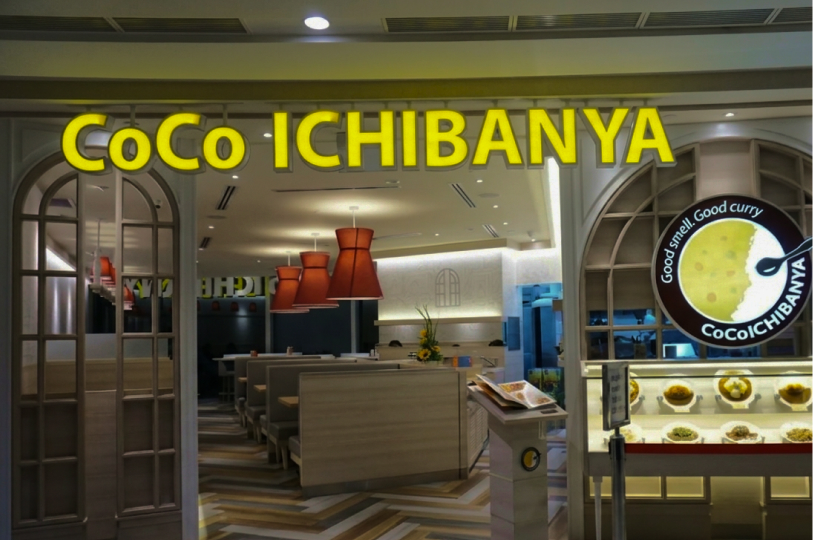
For many in Singapore, Japanese curry begins with familiarity. Perhaps Coco Ichibanya at Millenia Walk, where you customise toppings freely. Or Gochi So Shokudo in Novena, known for comforting set meals that feel dependable after a long day.
These restaurants matter. They introduce curry in accessible ways. They provide reliable options when you need a quick meal.
This curry occupies a different space. It is not expanding into multiple outlets. It is not positioning itself as the biggest chain. It focuses on refining one dish in one location.
In a city where new concepts open frequently and articles link the latest hits, this kind of steadiness feels intentional.
The Human Side of a 45 Minute Queue for Curry Rice
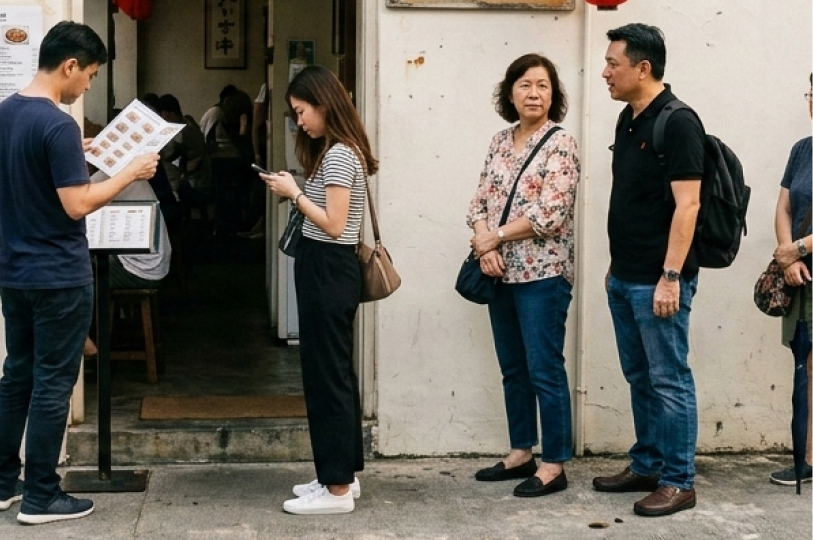
Standing in line becomes part of the experience.
You overhear first timers asking what to pick. A regular might suggest the pork katsu. Someone else may mention adjusting spice levels. A couple debates whether to add cheese. Another person checks the opening hours on their phone to make sure they can still place an order before closing.
There is no dramatic bonding. Just small, practical exchanges.
When you finally sit down, the meal feels grounded. Not because waiting magically improves flavour, but because anticipation sharpens attention. You notice the crunch of the deep fried coating. The sweetness of the carrots. The warmth of the curry. The way the rice holds its shape beneath the sauce.
You take a slower bite.
Is This the Best Japanese Curry Tanjong Pagar Has to Offer
Best is a big word.
But if you are looking for carefully cooked Japanese curry rice that respects time, texture, and balance, this curry deserves its reputation.
It does not chase trends. It does not attempt to recreate Tokyo in Singapore. It simply cooks curry well, consistently, from mon to fri and through the weekend crowds.
If you need a quick option before heading elsewhere, there are faster choices nearby. If you are willing to wait through a long queue, perhaps on a fri evening after work, you may find something more than just a dish of meat and rice.
You may find a pause.
And in a city that moves as quickly as Singapore, that pause can make a simple meal feel quietly meaningful.
For more dining options that combine great taste with health-conscious choices, check out this guide to the best hidden healthy dining spots in Singapore.