By Marcus Tan
“Not every place is meant to be searched for. Some are only seen when you slow your pace.”
The path narrowed without warning.
One moment, it was a main road. The next, it shifted, quieter, less certain, as if it belonged to a different pace altogether.
I followed it without thinking too much.
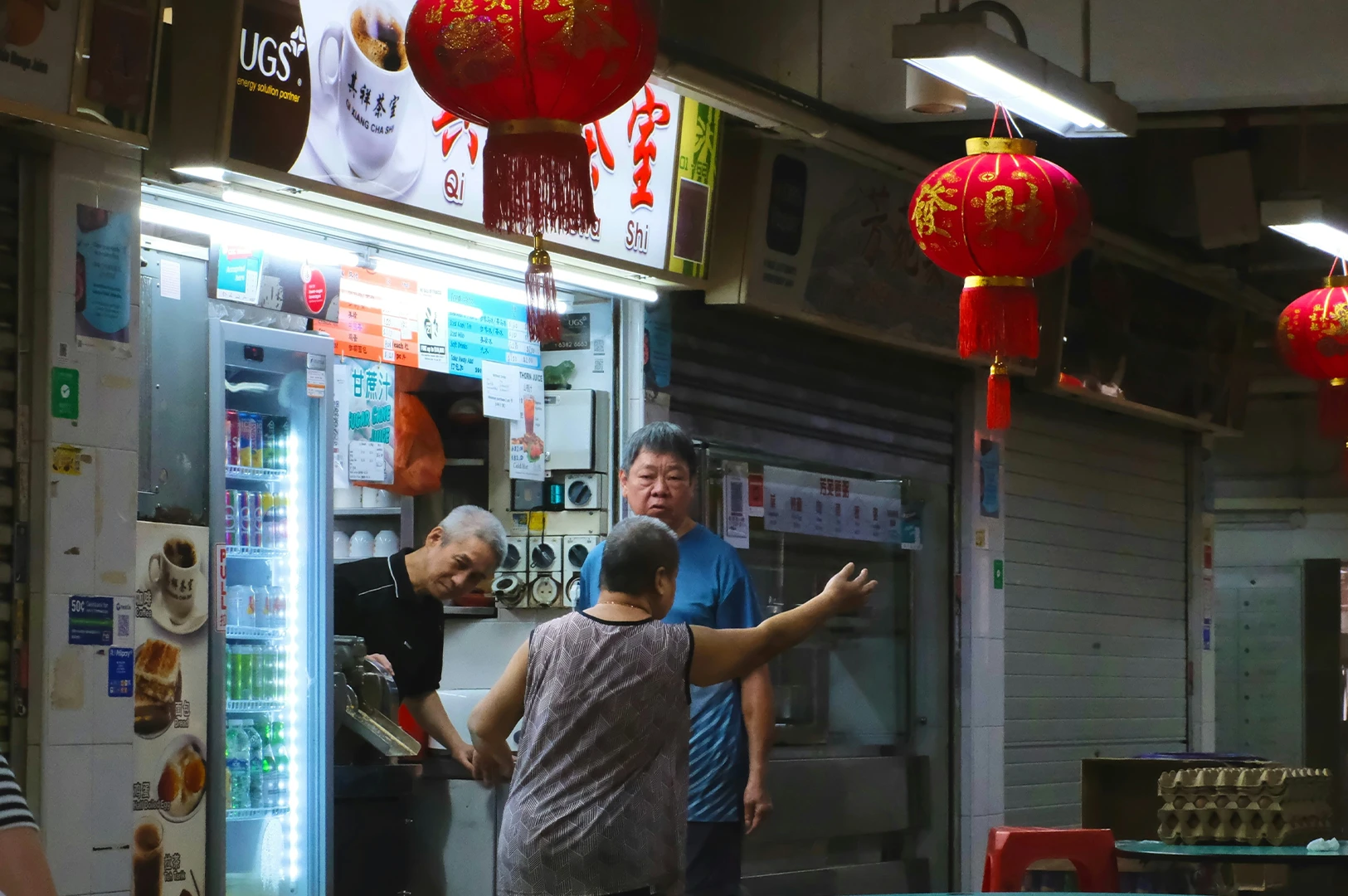
There wasn’t much to draw attention. A few stalls, spaced apart. A couple of tables under a shelter. The kind of place you might pass without noticing, especially if you were headed somewhere else.
I slowed down.
Not intentionally. Just enough to take in what was around me. The light felt different here. Softer, filtered. Conversations were quieter, as if the space itself encouraged it.
I stopped near one of the stalls.
The owner worked without urgency. Each movement measured, unhurried. No queue, no pressure, just a steady rhythm that didn’t seem affected by time.
I ordered and found a seat nearby.
Nothing about the meal stood out immediately. But sitting there, I realised that wasn’t the point. The place wasn’t asking to be remembered in a particular way.
It simply existed.
Some spaces don’t compete for attention. They sit just outside of it—waiting, not to be found, but to be noticed.
I stayed for a while, longer than I expected.
When I left, the path opened up again, returning to its usual pace.
But something about that quieter stretch stayed with me.