

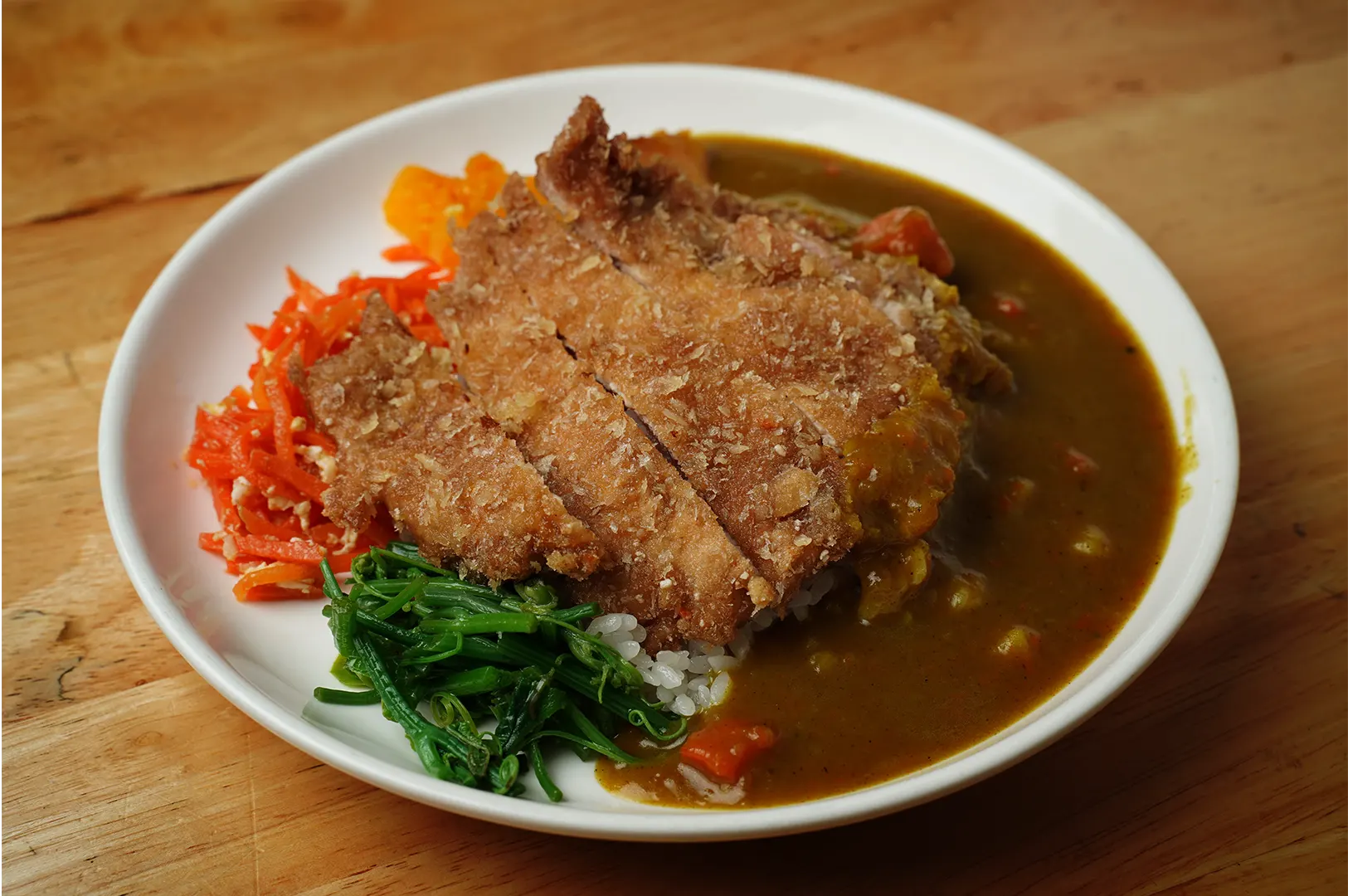
There is a certain stillness to Japanese curry. It arrives without drama, usually on a wide plate, the curry sauce resting beside cooked rice like something that has been waiting patiently. A cutlet may sit on top. A spoon may already be placed at the side. Nothing about it asks you to hurry.
In Singapore, where other curries can be sharper, brighter, or more spice-forward, Japanese curry feels different. It is thicker, milder, and more rounded. It is not trying to wake you up with heat. It is trying to settle you down.
For first-timers, this guide walks through what Japanese curry is, why the curry roux matters, how curry rice became such a familiar comfort, and what to order when you are craving Japanese curry for the first time.
What Is Japanese Curry?
Japanese curry, or kare rice, is a Japanese version of curry usually served with plain rice or Japanese short grain rice. Unlike Indian curry or Thai curry, it is often built around a thick curry roux, giving the sauce a smooth, stew-like body.
The curry originates from a different cooking tradition than many other curries. Over time, it became part of Japanese home cooking, especially because it is easy to serve, filling, and adaptable. In many homes, a curry rice recipe might include carrots and potatoes, onions, meat, and a premade curry block simmered until the sauce resembles a hearty stew.
At restaurants, the same idea becomes more polished. You might see katsu curry, japanese chicken curry, beef curry, or curry udon. The shape changes, but the feeling remains the same: warm, filling, and familiar.
Why the Curry Sauce Feels So Thick and Gentle
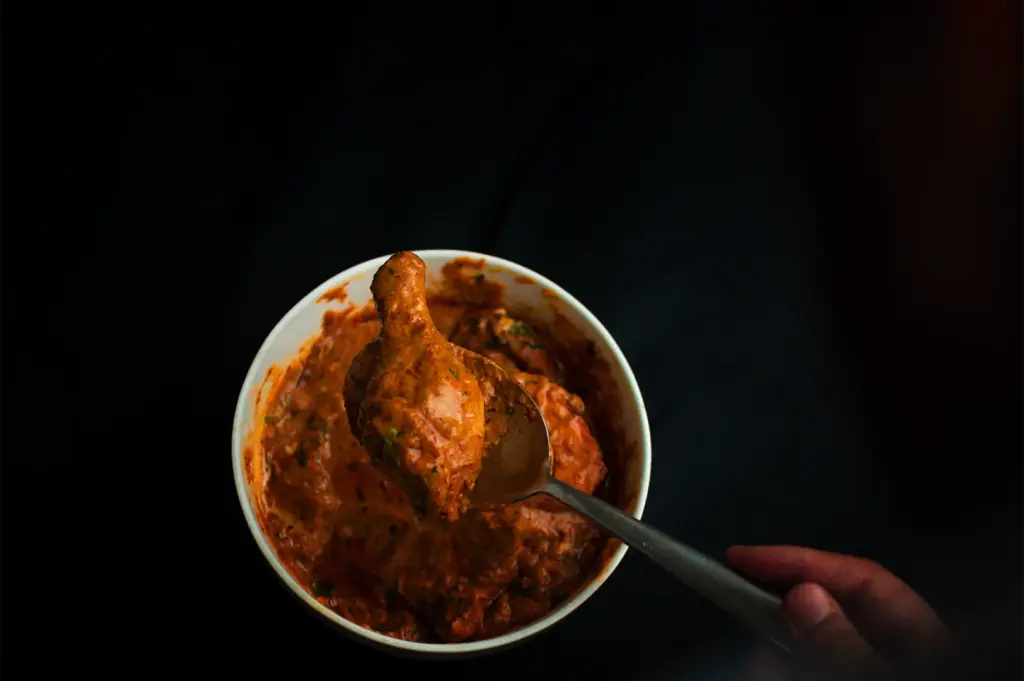
The first thing you notice is the curry sauce. It does not run thin across the plate. It moves slowly, coating the rice rather than soaking it.
That thickness usually comes from curry roux. A japanese curry roux can be homemade, made from flour, butter or oil, curry powder, and a spice mix, or it can come from curry roux cubes such as Vermont Curry, House Vermont Curry, Golden Curry, or other House Foods blocks. Some cooks prefer store bought curry roux because it is convenient. Others make homemade curry roux to control sweetness, spice, and depth.
The flavour can include curry powder, japanese curry powder, caramelized onions, soy sauce, worcestershire sauce, tomato paste, grated apple, grated ginger, chicken broth, beef broth, or chicken stock. These small additions help create the japanese curry taste: gently sweet, savoury, lightly spiced, and comforting.
Some versions are mild, while hot curry may include cayenne pepper or a little garam masala for extra warmth. But even then, Japanese curry rarely feels aggressive.
Curry Roux: The Quiet Heart of Japanese Curry Rice
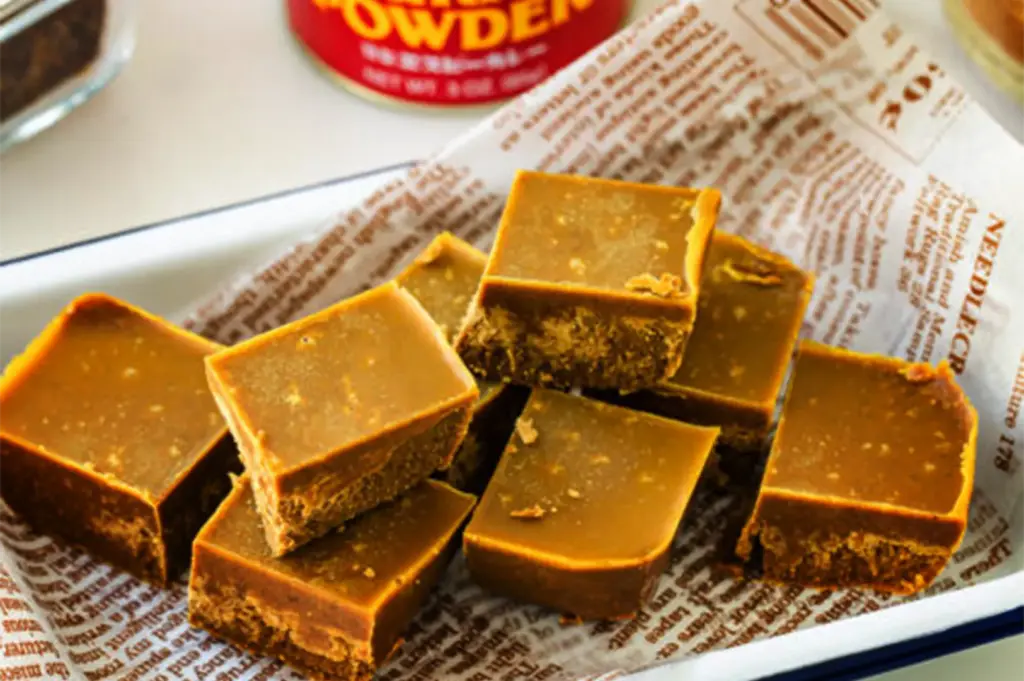
If curry rice has a centre, it is the curry roux. This is what separates Japanese curry rice from many other curries. The roux gives body to the sauce and allows it to cling to the rice. In a homemade curry roux, flour is cooked with fat over medium heat or medium high heat before curry powder and other seasonings are added. The result is then loosened with cooking liquid until it becomes smooth.
In everyday kitchens, instant curry roux or curry cubes make the process much easier. A family might make japanese curry with skinless chicken thighs, carrots, potatoes, onions, and a packet of Vermont Curry. Another home might use beef stew cuts, yukon gold potatoes, sweet potatoes, or a soy sauce based liquid for extra depth.
There are also gluten free versions, though diners should always check because many roux blocks contain wheat. Whether homemade or store-bought, the roux is what gives Japanese style curry its soft, rounded structure.
Japanese Chicken Curry, Katsu Curry, and Other Common Styles
Japanese chicken curry is often the gentlest entry point. It may use chicken thighs, chicken broth, onions, and potatoes, creating a mild curry that works well with rice. It is the kind of dish that feels close to home even if you did not grow up eating it.
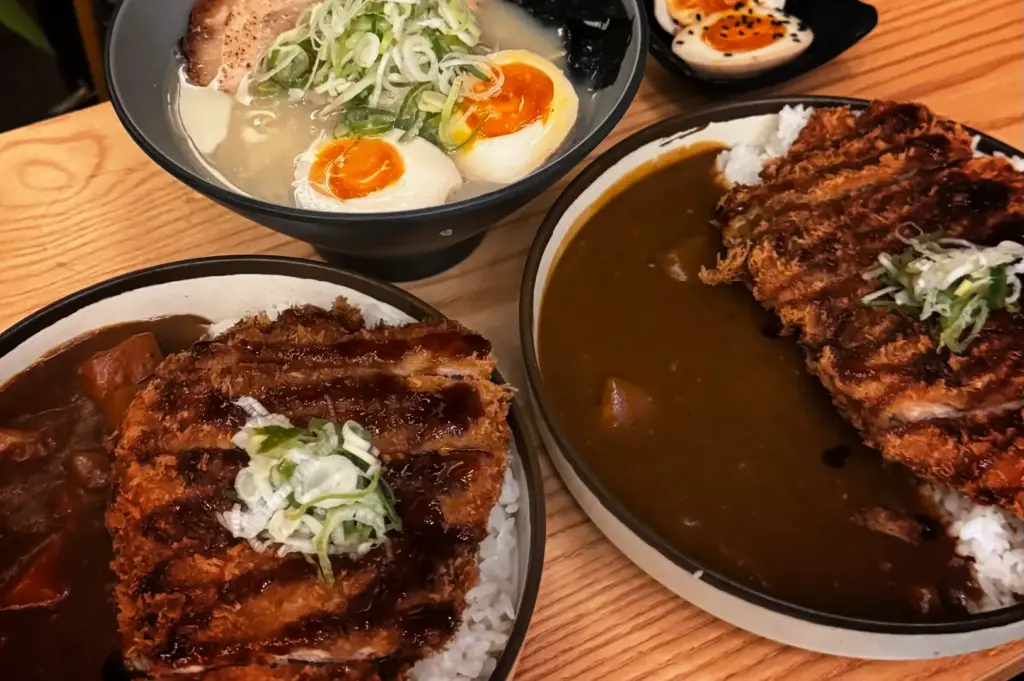
Katsu curry is heavier and more indulgent. A pork or chicken cutlet is fried until crisp, then served with curry rice. Sometimes tonkatsu sauce appears on the side, adding a tangy contrast to the thick curry. This is the version many people first fall in love with.
You may also find beef curry, keema-style curry, curry udon, or even curry served with fried rice in some Japanese restaurants. These are not all traditional in the same way, but they show how flexible Japanese food can be.
How to Choose Your First Plate of Curry Rice
When you stand in front of a menu, pause for a moment.
Choose based on the kind of meal you want:
For comfort: Japanese chicken curry
For crunch: Katsu curry
For richness: Beef curry or wagyu curry
For texture: Keema curry
For something lighter: Vegetable curry with plain rice
For a familiar first try: Pork katsu curry rice
A good plate should feel balanced. The curry sauce should be thick but not gluey. The rice should stay fluffy. If there is katsu, the cutlet should still hold some crispness even after meeting the curry. That is where the pleasure sits: in the meeting of soft rice, warm sauce, and something crisp at the edge.
Japanese Curry Recipes and Why Restaurant Curry Tastes Different
If you look up japanese curry recipes, you will find many versions. Some use instant pot methods. Some include a recipe card with step-by-step directions, cook mode, and shortcuts for frozen curry. Others teach you how to make Japanese curry from scratch with homemade roux.
A home curry recipe is often forgiving. You can use store Japanese curry blocks, add more water, thicken it again, or adjust with soy sauce and grated apple. A curry powder recipe gives more control, but takes more time.
Restaurant curry feels different because it often has more patience behind it. The onions may be cooked longer. The roux may be adjusted daily. The curry sauce may sit and deepen before service. That is why the best Japanese curries in Singapore often come from places that treat curry as the main event, not an afterthought.
A Thoughtful Pause Before You Dig In
Japanese curry is a beloved dish known for its comforting warmth, thick and gentle curry roux, and harmonious balance of flavors. Its stew-like sauce, often made with a rich curry roux, coats tender meats and vegetables, served alongside fluffy Japanese short-grain rice.
Whether enjoyed as a simple chicken curry, indulgent katsu curry, or other variations, this dish offers a mild, sweet, and savory taste that sets it apart from other curries. Easy to prepare with store-bought or homemade roux, Japanese curry has become a staple in both homes and restaurants, cherished for its filling, familiar, and quietly satisfying qualities. It’s not bold or spicy but patiently comforting, an enduring favorite that invites you to savor every spoonful.
For a deeper dive into delicious japanese food and to discover both hidden gems and beloved classics, explore hiddeneastaround.com, your gateway to the wonderful recipe adventures waiting to be savored.