

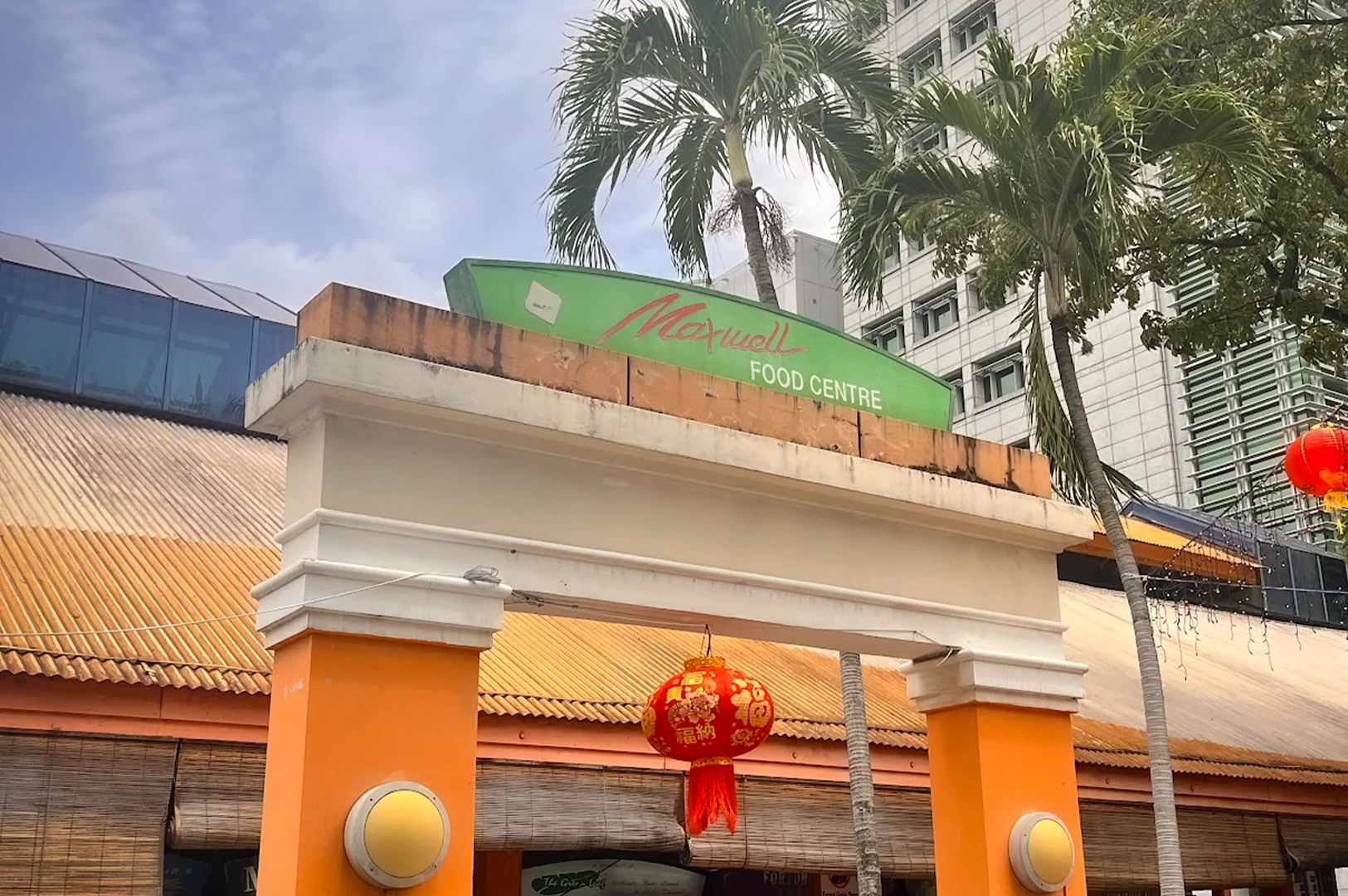
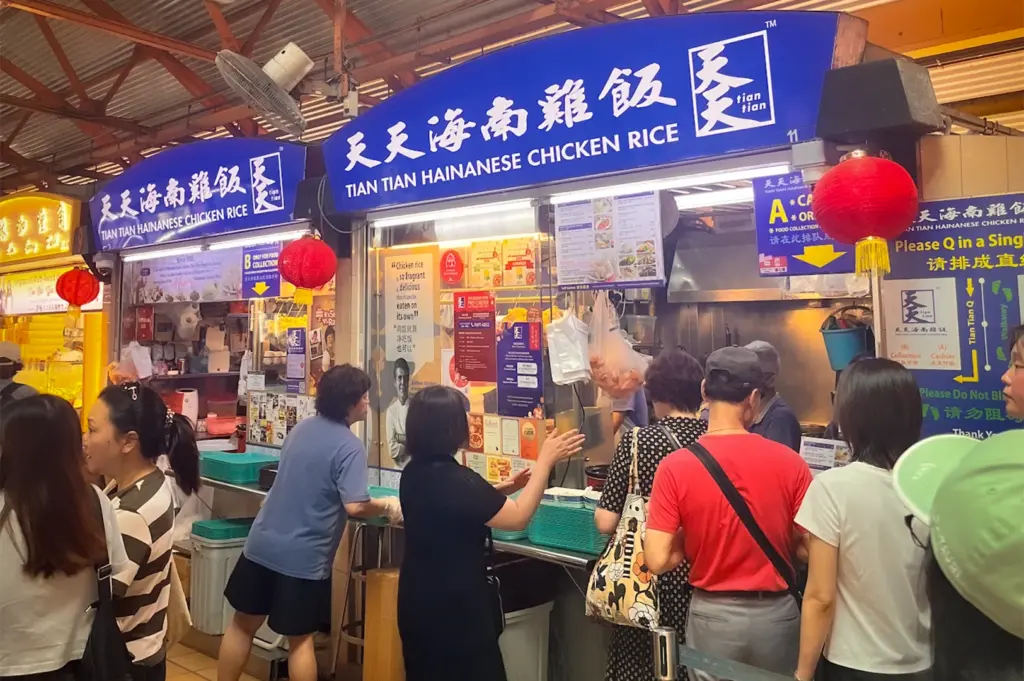
There is a certain way people move through Maxwell Food Centre Singapore that you only start to notice when you stop rushing. It is not just about finding the best chicken rice or ticking off famous stalls like Tian Hainanese Chicken Rice, Ah Tai, or Jin Pang. What defines this place is quieter than that.
Maxwell sits along Maxwell Road, near Tanjong Pagar and China Square, and it carries the weight of its past. Once part of a system of municipal markets and a working wet market, the area even traces back to land that was associated with a chinese burial ground before the municipality passed redevelopment plans. That transition from maxwell market to modern hawker centre still shapes how food is prepared, sold, and eaten today.
If you have already explored some of the lesser-known local eats in Maxwell Food Centre, you may have felt this instinctively. This article explains why that experience happens.
From Market to Hawker Centre — Why Maxwell Still Feels Grounded
Maxwell was never designed to be a curated dining destination. It evolved. In its earlier form, vendors dealt with raw market produce, working with ingredients that needed to be sold or used quickly because they were perishable goods. Over time, many of these vendors transitioned into cooking, forming what we now recognise as hawker stalls.
That shift created a very specific kind of food culture:
Stalls became highly focused, often specialising in a single dish
Preparation remained visible, from washing raw market produce to cooking on-site
Ingredients were treated with care because spoilage mattered
The environment stayed practical, with shared washing points and simple seating on a concrete floor
Even today, this legacy explains why maxwell food feels different from modern food halls. It is not designed around trends. It is built around necessity.
How Daily Rhythms Shape What People Eat
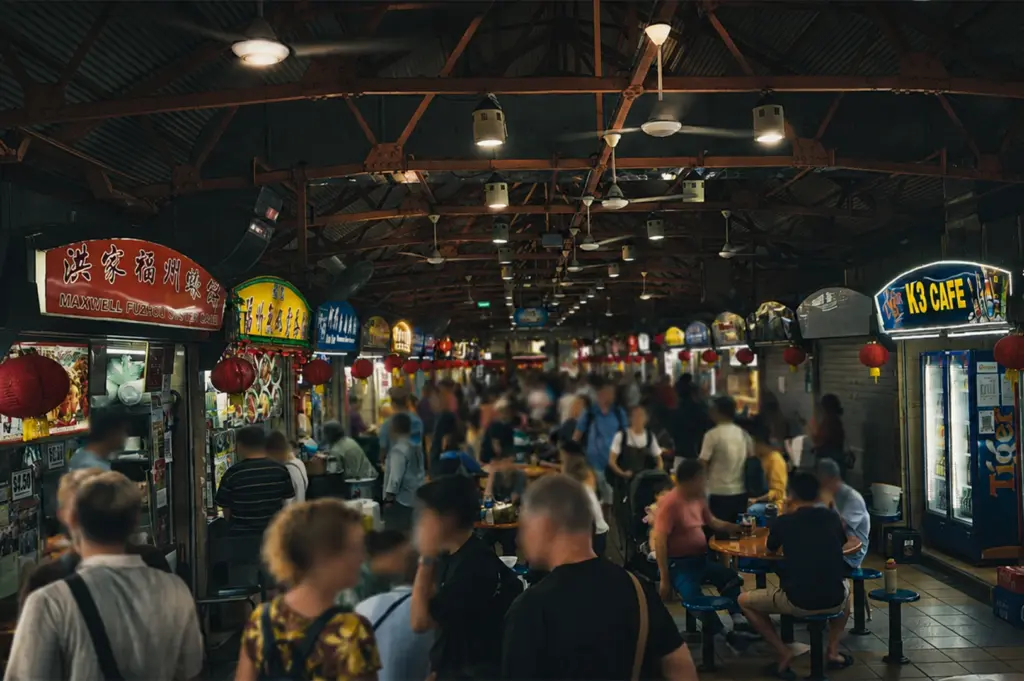
To understand this food centre, you have to see how it changes through the day.
In the morning, the pace is measured. You will find quieter hawker stalls preparing ingredients, serving lighter options like fish porridge with batang fish, dough fritters, tapioca cakes, or simple red bean snacks. Some stalls still offer special shanghai tim sum or xiao long bao, reflecting older eating habits.
By midday, everything shifts. Office workers from Tanjong Pagar arrive for lunch, filling the space quickly. The air becomes heavier with the smell of fried shallots, roast duck, char siew, and sizzling noodles. Bowls of minced meat noodles, plates of rice, and trays of meats move rapidly from stall to table. This is when famous stalls like Ah Tai and Jin Pang reach peak demand.
Then, as the afternoon slows, the space changes again. It becomes easier to notice the smaller stalls, the ones without long queues. You begin to see who returns to the same stall repeatedly, and that is often where the real insight lies.
Why Hidden Eats Naturally Emerge at Maxwell
Maxwell does not create hidden gems intentionally. Its structure produces them. Regulars do not queue for the same stalls every day. Over time, they rotate. They explore. They adapt to crowds. That behaviour creates a quiet ecosystem where:
Few stalls dominate attention, but many others build loyal followings
Stalls speak volumes through repeated patronage rather than visibility
Vendors who consistently deliver quality meals develop trust without promotion
Hidden dishes become part of everyday routines rather than viral trends
You might arrive planning to eat hainanese chicken rice, but after seeing the queue, you switch. Maybe you order a bowl of soup, or try noodles with minced meat, or something completely unexpected. That decision, repeated over time by many people, is how hidden eats gain traction.
Beyond Chicken Rice — What You Start to Notice Instead
There is no denying that chicken rice anchors Maxwell. It draws both locals and tourists, and it is often the first thing people associate with the place.
But what matters more is what happens around it.
While queuing, you begin to notice:
A stall serving sour soup nearby
Someone eating a plate of roast duck or char siew
A quiet vendor preparing fish porridge
Another stall frying something unfamiliar
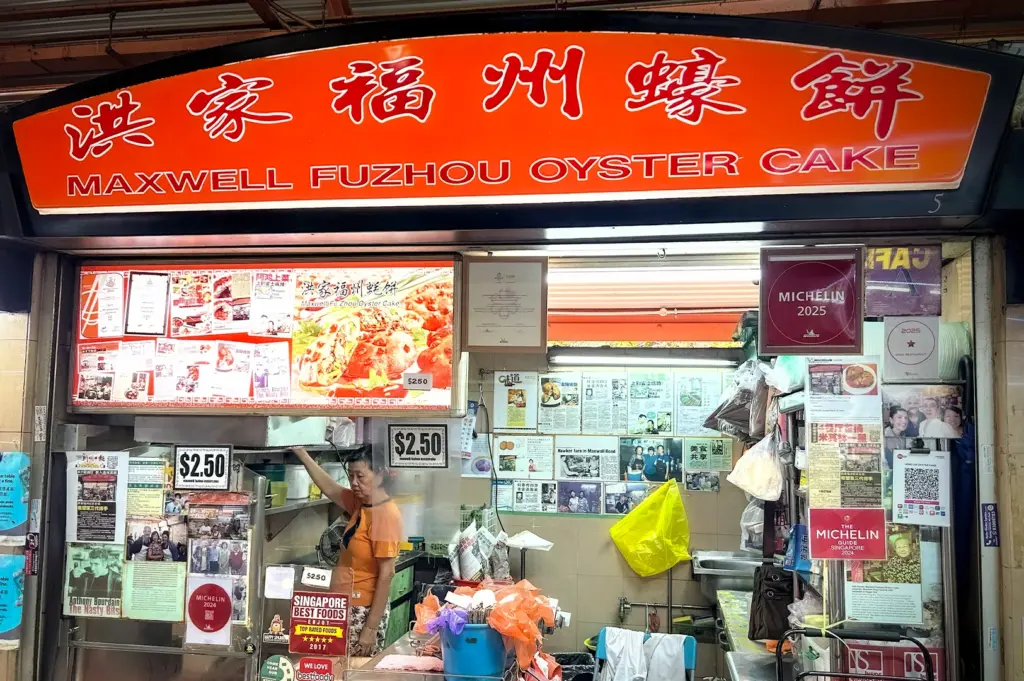
One of the clearest examples of this is the maxwell fuzhou oyster cake. You may not come looking for it, but the smell of prawns hitting hot oil and the sound of batter frying makes it difficult to ignore. That moment of curiosity often leads to discovery. This is how Maxwell works. It does not guide you directly. It surrounds you with choices until something catches your attention.
How Space, Habit, and Interaction Shape the Experience
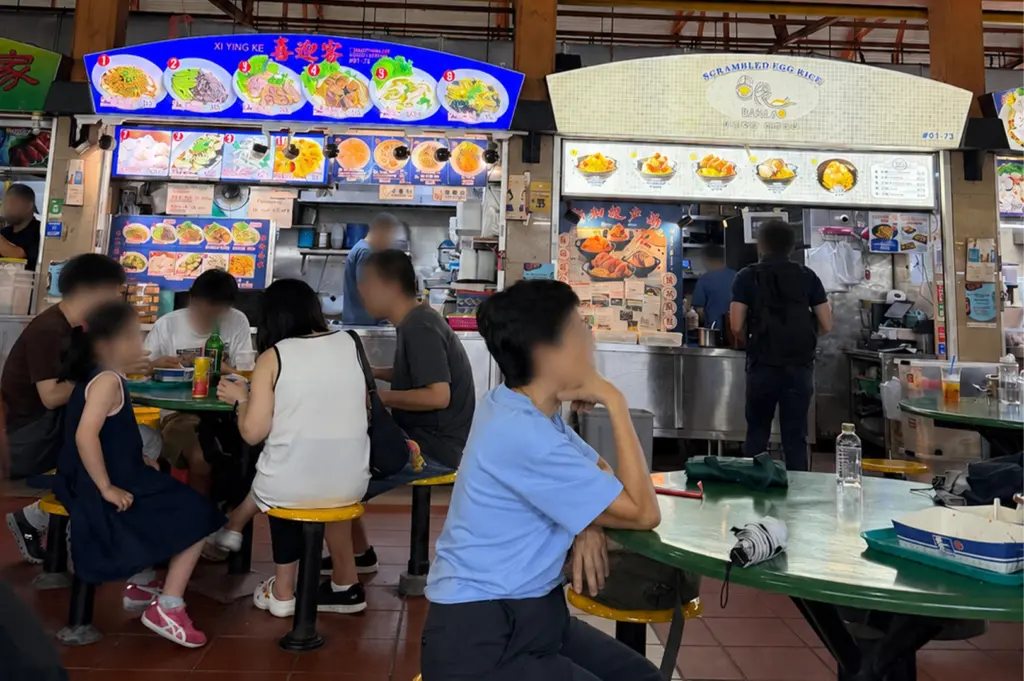
The layout of maxwell road food centre plays a big role in how people experience it.
Unlike structured dining spaces, Maxwell is open and shared:
Individual stalls sit close together, making everything visible
Seating is communal, which encourages conversation
Movement through the space exposes you to multiple dishes at once
It is common to sit next to someone eating something you did not plan to try. A simple question can lead to a recommendation. These small interactions are part of the culture here.
At the same time, repetition builds familiarity. You start recognising which stall handles vegetables carefully, which one balances spicy flavours well, or which vendor offers the best money’s worth. Over time, these observations become more valuable than any list.
A System That Balances Famous and Unknown
Maxwell thrives because it supports both visibility and obscurity at the same time.
Famous names like Ah Tai, Tian Hainanese Chicken Rice, and Jin Pang draw attention. They set expectations. They bring people in.
But the surrounding stalls sustain the space:
Smaller vendors continue as long time tenant businesses
Dishes like fish porridge, noodles, and simple rice meals remain consistent
Hawkers adapt daily based on demand and ingredient availability
Even stalls that are not widely known can survive for years because they serve a steady group of regulars. That balance is what keeps Maxwell relevant.
Why Maxwell Still Rewards Attention Today
In a city that constantly reinvents itself, Maxwell Food Centre Singapore remains steady. It does not rely on modern presentation or curated experiences. It works because it reflects everyday life in Singapore.
People come here for practical reasons. They want a good meal, reasonable prices, and something familiar. But if they pay attention, they also find something more. They notice the rhythm of the hawker centre, the quiet signals of quality, and the patterns of how locals choose what to eat. That awareness is what turns a simple visit into a deeper experience.
And that is ultimately why Maxwell continues to produce hidden eats around. Not because they are hidden by design, but because they reveal themselves slowly, through habit, observation, and time. If you are willing to look beyond the obvious, Maxwell will always have something new to offer.