

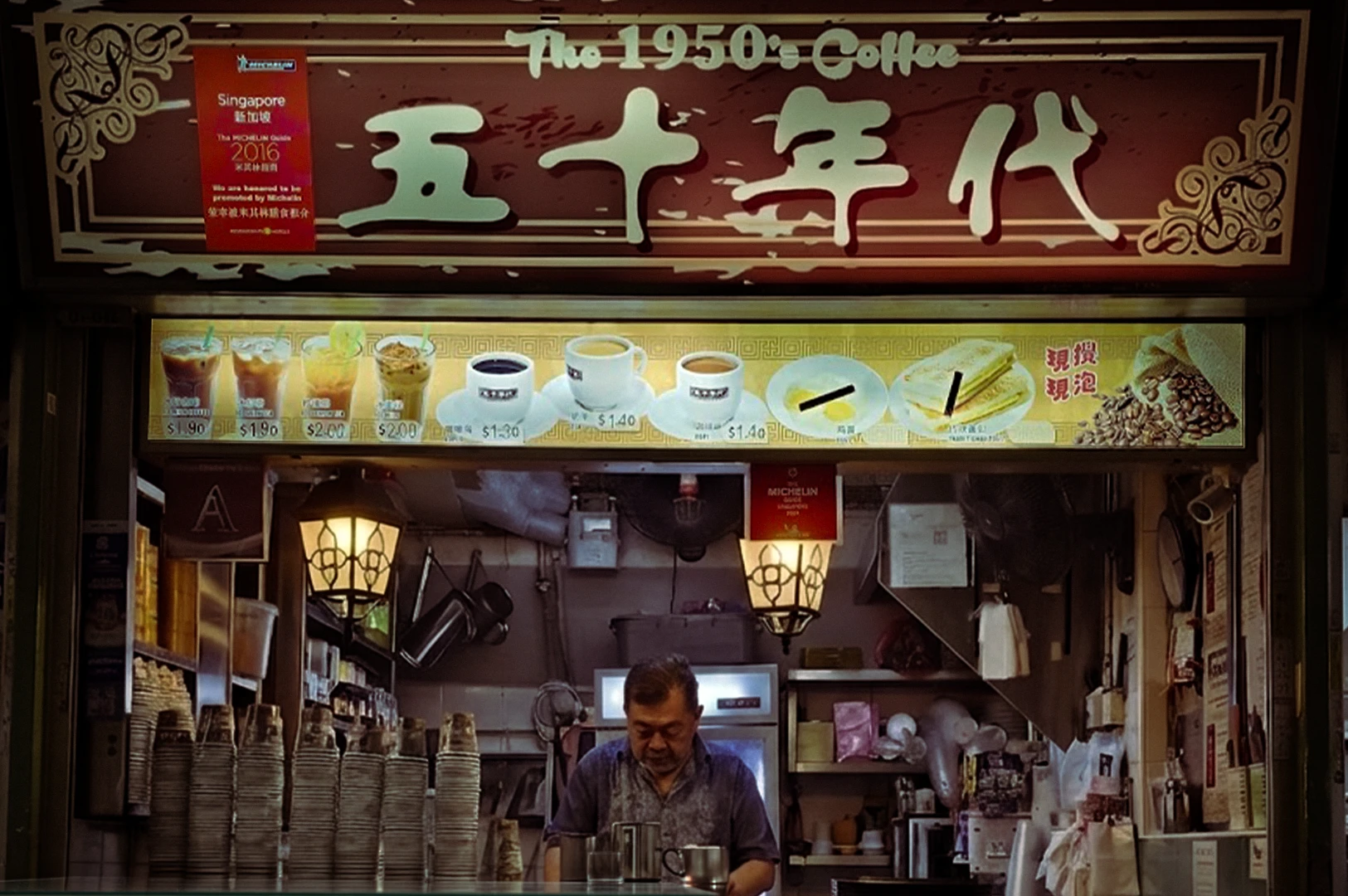
The city is quietest just before the heat of the day settles in. If you walk through the streets early on a Saturday, there is a gentle stillness that feels rare in Singapore. My steps usually lead me toward Maxwell Food Centre. Located close to the Buddha Tooth Relic Temple, this food centre is a familiar anchor in a rapidly changing neighborhood.
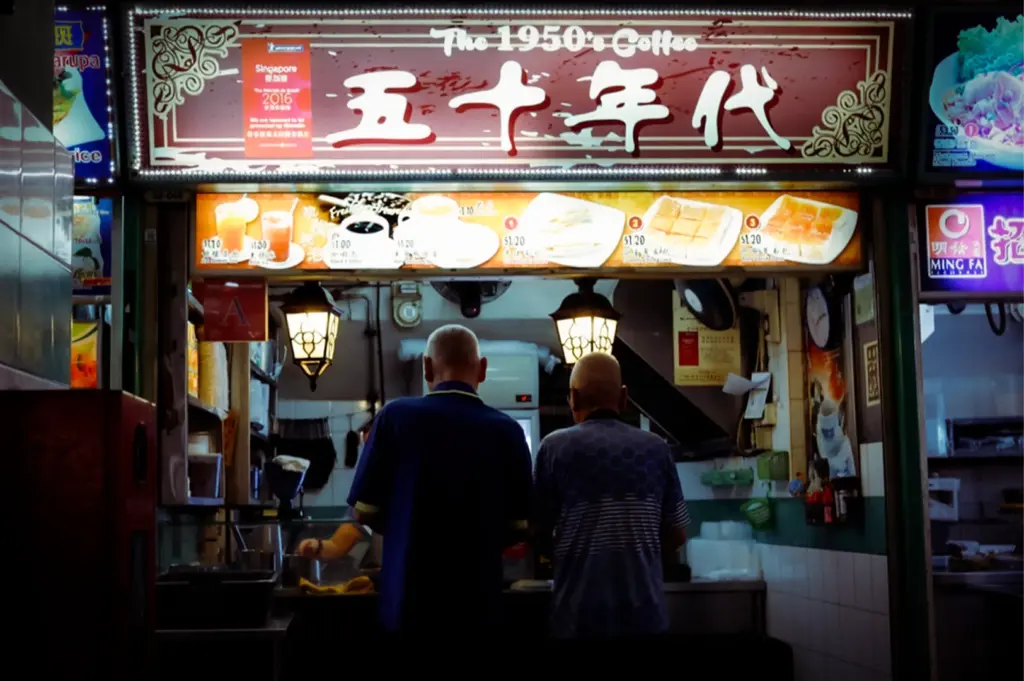
Among the many choices available, there is one good spot tucked into a corner that I find myself returning to frequently. It is The 1950s Coffee. This stall does not shout for attention, but it has a steady, quiet presence that draws you in.
Finding Quiet Mornings at The 1950s Coffee
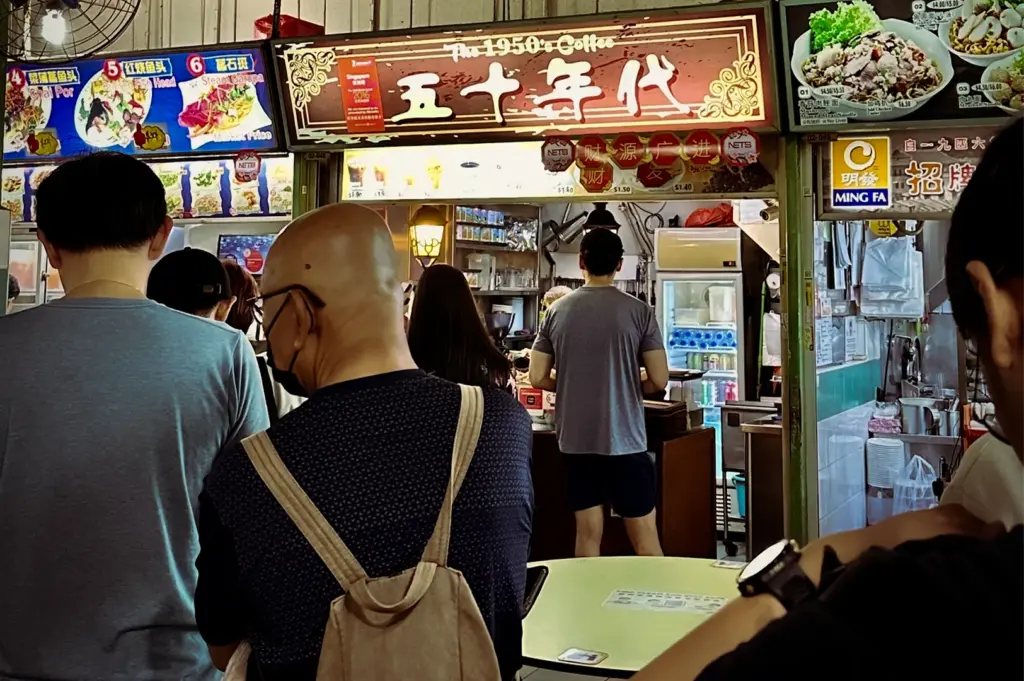
When you visit The 1950s Coffee in the morning, you will likely encounter a short wait. The line is rarely frantic. People stand patiently, holding a bag of groceries or a newspaper, content to let the early hours unfold. I appreciate this unhurried pace. In a city that moves quickly, standing in line for a simple cup of coffee feels like a small act of rebellion.
You slowly edge closer to the front, listening to the clinking of ceramic cups and the rhythmic pouring of hot water. The locals who frequent this stall know exactly what to order. There is no hesitation, just a seamless exchange between the customers and the people behind the counter. It is a comforting routine that grounds you in the present moment. This little pocket of calm is exactly what I need before the day begins in earnest.
A Contrast to Modern Coffee Shops and Coffee Roasters
We live in an era where specialty coffee is everywhere. You can barely walk down a street without passing several modern coffee shops. I often enjoy places like Nylon Coffee Roasters or Flip Coffee Roasters. They bring an impressive level of precision to the craft. You can easily find an excellent espresso pulled by highly trained baristas.
However, The 1950s Coffee offers something fundamentally different. It does not try to compete with the sleek cafés that dominate the landscape. There is a specific time and place for complex brewing methods, but some mornings call for something more grounded. Here, you are not asked to analyze the tasting notes of your drink. You are simply handed a warm, thick cup of traditional kopi. It is a reminder that we can appreciate the meticulous nature of modern roasters while still holding onto the deep, resonant comfort of a truly old school brew.
The Journey from Chinatown Complex to Maxwell
Many people know the original outlet of this beloved brand located over at Chinatown Complex. That larger stall in Chinatown has its own vibrant energy, deeply embedded in the bustling heart of the district. But I have a distinct fondness for this branch in Maxwell.
The space here feels a bit more intimate. It serves the surrounding community with a quiet dedication. You can watch the staff move with practiced efficiency in their small workspace. They do not have a sprawling counter, yet they manage the flow of orders perfectly. I often stand a few steps away, waiting for my order, simply watching the life of the food centre unfold around me. It is a good place to just be.
Beyond the Fancy Coffee Beans of a Modern Coffee Roastery
When we talk about good coffee today, the conversation often turns to single origin selections and specific coffee farms. A modern coffee roastery might spend hours educating you on how they roast their coffee beans to highlight fruity or floral notes. I deeply respect that dedication to the beans.
Yet, Singaporean coffee relies on a completely different tradition. The beans used for our local kopi are typically roasted with sugar and margarine. This process creates a dark, caramelized profile that is robust and beautifully thick. When they brew this coffee through a traditional cloth sock, the result is dense and highly aromatic. It is intentionally strong. You will not find the delicate acidity of a light roast here. Instead, you get a deeply satisfying, sweet, and earthy cup that coats the palate. It is a taste that has sustained generations.
The Simple Comfort of Good Coffee and Kaya Toast
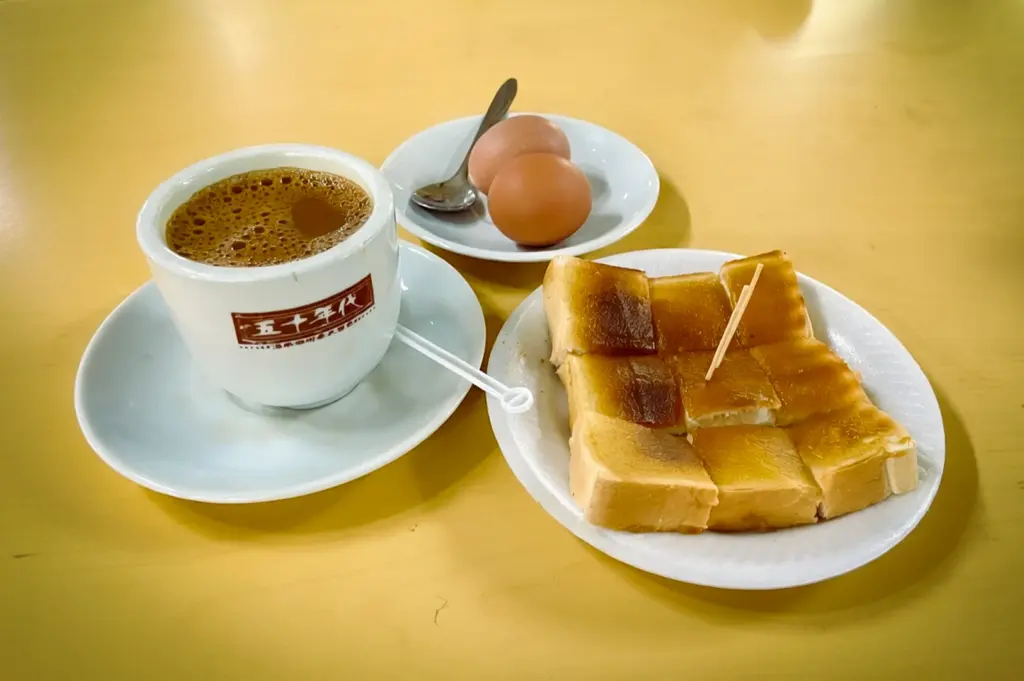
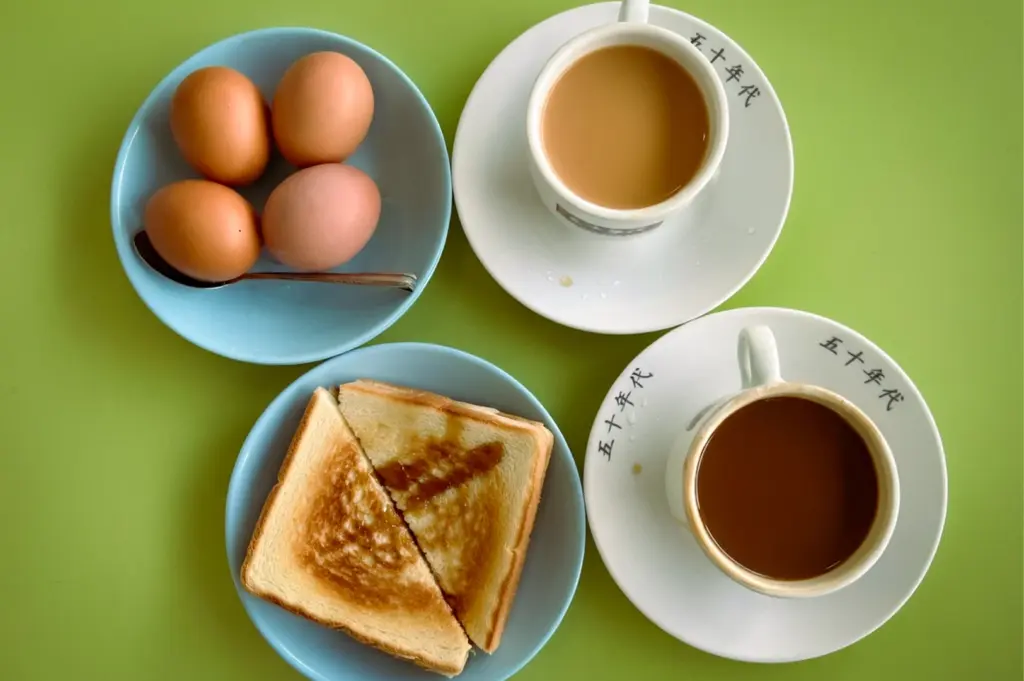
My usual order is straightforward. I ask for a Kopi C, which is coffee with evaporated milk and a little sugar. The evaporated milk adds a smooth, creamy texture without overpowering the bitter depth of the coffee. Some days, I might opt for a plain black coffee or a simple cup of tea, depending on how heavy the morning feels.
If they are serving food, I always order the traditional kaya toast and soft boiled eggs. The bread is sliced thin and toasted over a charcoal grill until it has a dry, crisp exterior. Inside, they spread a generous layer of kaya coconut jam and a thick slab of cold butter. When you take a bite, the contrast between the warm, smoky bread and the rich, melting butter is incredibly satisfying. You dip the toast into the soft boiled eggs seasoned with dark soy sauce and white pepper. It is a humble meal, but to me, it is the definition of excellent coffee shop fare. Every element works together perfectly.
Why We Do Not Always Need a Trendy Coffee Bar
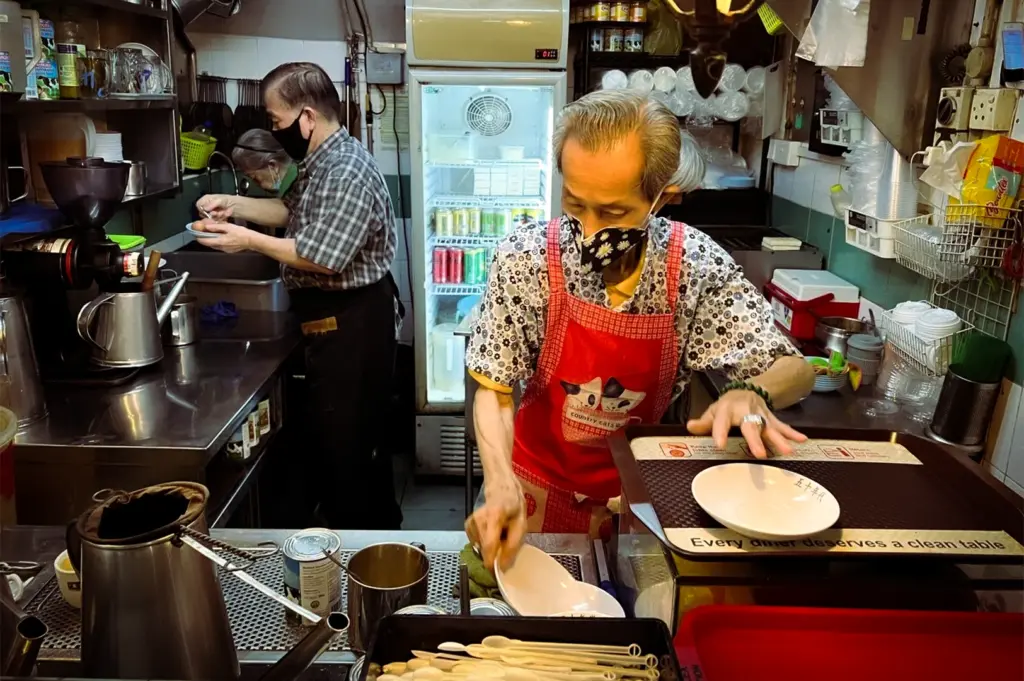
The service at The 1950s Coffee is efficient but never dismissive. They operate with a quiet focus. The menu is short and printed clearly, leaving no room for confusion. There is a raw, unpolished charm to the stall. It sits there dependably, functioning with the quiet reliability of an old hardware store in Little India. It just works, day after day.
You will not find a monthly newsletter to sign up for, nor will they try to sell you merchandise. You simply pay a few coins, take your food, and find a seat at one of the shared tables. Sharing a table with strangers is part of the experience. You might sit next to an uncle reading the news or a couple quietly sharing a plate of noodles. It is a win win situation. You get a fantastic, affordable meal, and you get to participate in the authentic rhythm of the city. There is also a special satisfaction in discovering these less popular, hidden gems, places that don’t seek the limelight but offer genuine, unpretentious quality.
Leaving Dutch Colony and Apartment Coffee for Another Day
There are weekends when I want to sit in a cool, air conditioned room with a pour over coffee. On those days, I might visit Dutch Colony or Apartment Coffee. Those spaces are beautifully designed and offer a wonderful escape from the humidity.
But when I come to Maxwell, I am looking for something that feels rooted in the history of the country. I want to drink coffee that tastes like the Singapore I grew up knowing. The caffeine hit from a strong local kopi feels different. It is warmer, heavier, and far more comforting. It settles into your stomach and gently wakes you up. Leaving the modern establishments for another day allows me to fully appreciate the heritage that is kept alive in these small hawker stalls.
A Different Pace from Bearded Bella and Five Oars
If you walk further down towards Tanjong Pagar or head slightly north towards Clarke Quay, you will find plenty of highly popular brunch spots. Cafés like Bearded Bella and Five Oars do a phenomenal job. If you want a beautifully plated serving of buttermilk waffles, those are the places you should go.
However, eating a heavy brunch often feels like an event. A visit to The 1950s Coffee is not an event. It is a routine. It is something you can do every single day without emptying your pocket. The lunch crowd will eventually descend on Maxwell to eat chicken rice and sliced fish soup, but the early morning belongs to the coffee drinkers. It is a quiet transition period before the heat and noise take over.
Brewing Tradition for Every Palate
We travel the world searching for unique culinary experiences, often forgetting what is right in front of us. The 1950s Coffee is not trying to change the world of coffee. It simply serves a very good cup of traditional kopi, day in and day out.
It is a great spot precisely because it is so ordinary. It caters to the common man, offering a brief moment of rest and a familiar taste. In a city that is constantly building and reinventing itself, there is profound comfort in a place that stays exactly the same. The next time you find yourself near Maxwell, skip the sleek cafes for a morning. Buy a cup of kopi, find an empty plastic stool, and just watch the morning unfold. It is, in my view, one of the finest ways to start a day in Singapore.
For more local favorites beyond the famous chicken rice, check out Maxwell Food Centre’s hidden eats locals love.