


There is a quiet feeling that settles in when you find one.It might be a bookstore tucked along a side street, where the smell of old paper lingers longer than expected. Or a small, family-run eatery with mismatched chairs and a handwritten menu that hasn’t changed much over the years.
You don’t always recognise it immediately. But something feels different. Less staged. More real. This is often how hidden gems reveal themselves.
In a city shaped by recommendations, rankings, and algorithms, discovery rarely happens by accident. We are guided toward what is already well known, often for good reason. But there is a different kind of satisfaction in taking a small detour or lingering a little longer. These places are not memorable because they are impressive, but because they feel grounded. They offer context, texture, and a sense of being briefly let into everyday life.
Understanding what makes a place a hidden food gem begins with noticing these quieter qualities.
The Shape of a Hidden Gem
The phrase “hidden gem” is used often, sometimes loosely. Not everything that is popular but slightly out of the way qualifies. A place does not become a hidden gem simply because it is hard to find or not yet trending.
What tends to set true hidden gems apart is not what they offer, but how they exist.
Authenticity Over Polish
Hidden gems usually feel comfortable in their own skin. They exist first for the people who use them regularly, not for visitors passing through.
The details are rarely curated. Décor is shaped by time rather than design intent. A chipped teacup. A faded photograph. A menu that has stayed the same because it works.
These are not imperfections to be fixed. They are signs of continuity. Food is cooked with familiarity. Spaces are arranged for use, not display. There is often a sense that nothing here is trying too hard to be noticed.
This kind of authenticity cannot be manufactured. It settles in slowly and stays because it is useful, loved, and lived in.
Part of the Local Fabric

Hidden gems are often woven into the rhythm of their neighbourhoods. They are places people rely on. A bakery for morning bread. A stall where regulars order without looking at the menu. A quiet corner where familiar faces pass through at predictable hours.
When you step into these places, you are stepping into a small part of daily life. Conversations carry on as usual. The pace does not change for visitors. This is often a good sign.
You are not being entertained. You are being included, briefly and quietly, in the flow of the place.
Space to Breathe
One of the simplest markers of a hidden gem is the absence of crowds. These places are not built for volume. Their appeal lies in the experience of being there without hurry.
Without the pressure of queues or constant movement, there is room to observe. To sit. To listen. To notice how light falls across a table or how people move through a space.
This lack of spectacle allows a place to be experienced on its own terms.
Why Noticing Matters
Choosing to look for quieter places changes how we move through a city. It shifts attention away from accumulation and toward presence.
Instead of collecting highlights, you begin to recognise patterns. You notice what stays consistent. You start to remember places not for how impressive they were, but for how they made you feel at ease.
These are often the places we return to.
For the People Who Keep Them Going
For the communities around them, hidden gems are not discoveries. They are constants. They hold routines together and preserve ways of doing things that might otherwise disappear quietly.
Supporting these places means more than visiting once. It means showing patience. Respecting pace. Understanding that not everything needs to be optimised or shared widely.
Sometimes the most meaningful way to appreciate a place is to treat it as part of someone else’s everyday life, not a moment for consumption.
Learning to Recognise One
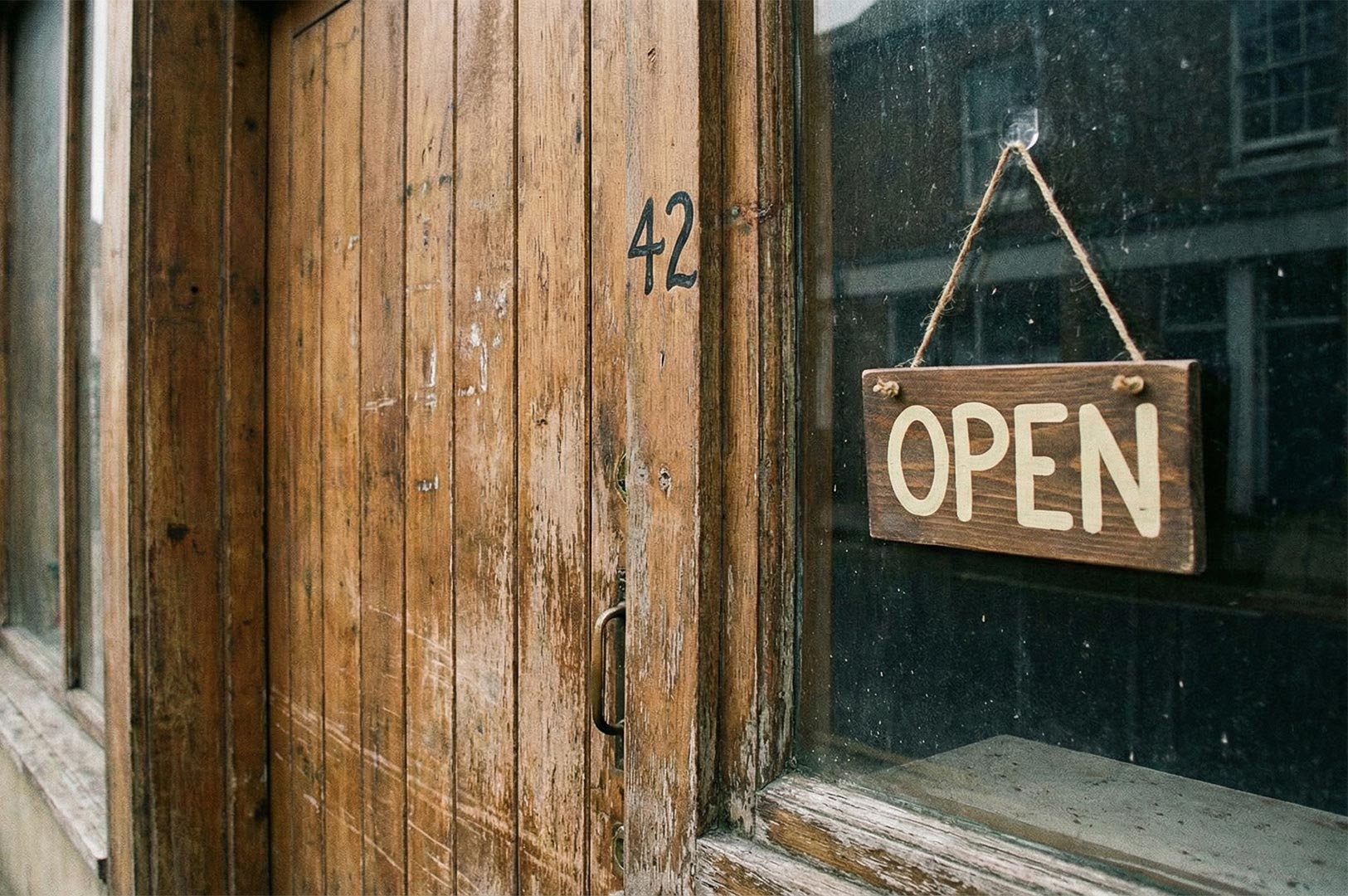
Finding hidden gems is rarely about searching harder. It is about paying attention.
Understated signs. Local conversations. A steady presence of familiar faces. Often, the places worth noticing are the ones that do not announce themselves.
Sometimes it is simply a feeling. A sense that you are exactly where you are supposed to be, without needing to explain why.
Sharing Carefully
Finding a hidden gem often comes with hesitation. Do you tell others, or do you keep it to yourself?
There is no single answer. Sharing can help a place survive. Too much attention can change it.
What matters most is intention. Visiting thoughtfully. Speaking about places with care. Encouraging others to move slowly rather than arrive expecting something.
Hidden gems are not meant to stay hidden forever. But they are fragile in the way all quiet things are.
Moving On, Slowly
The appeal of hidden gems is not novelty. It is a familiarity built over time.
They remind us that discovery does not always require distance. Sometimes it asks only that we slow down, look around, and take a slightly different route home.
Hidden Eats Around exists to notice these places. Not to rank them. Not to rush them. Just to give them space to be seen.