

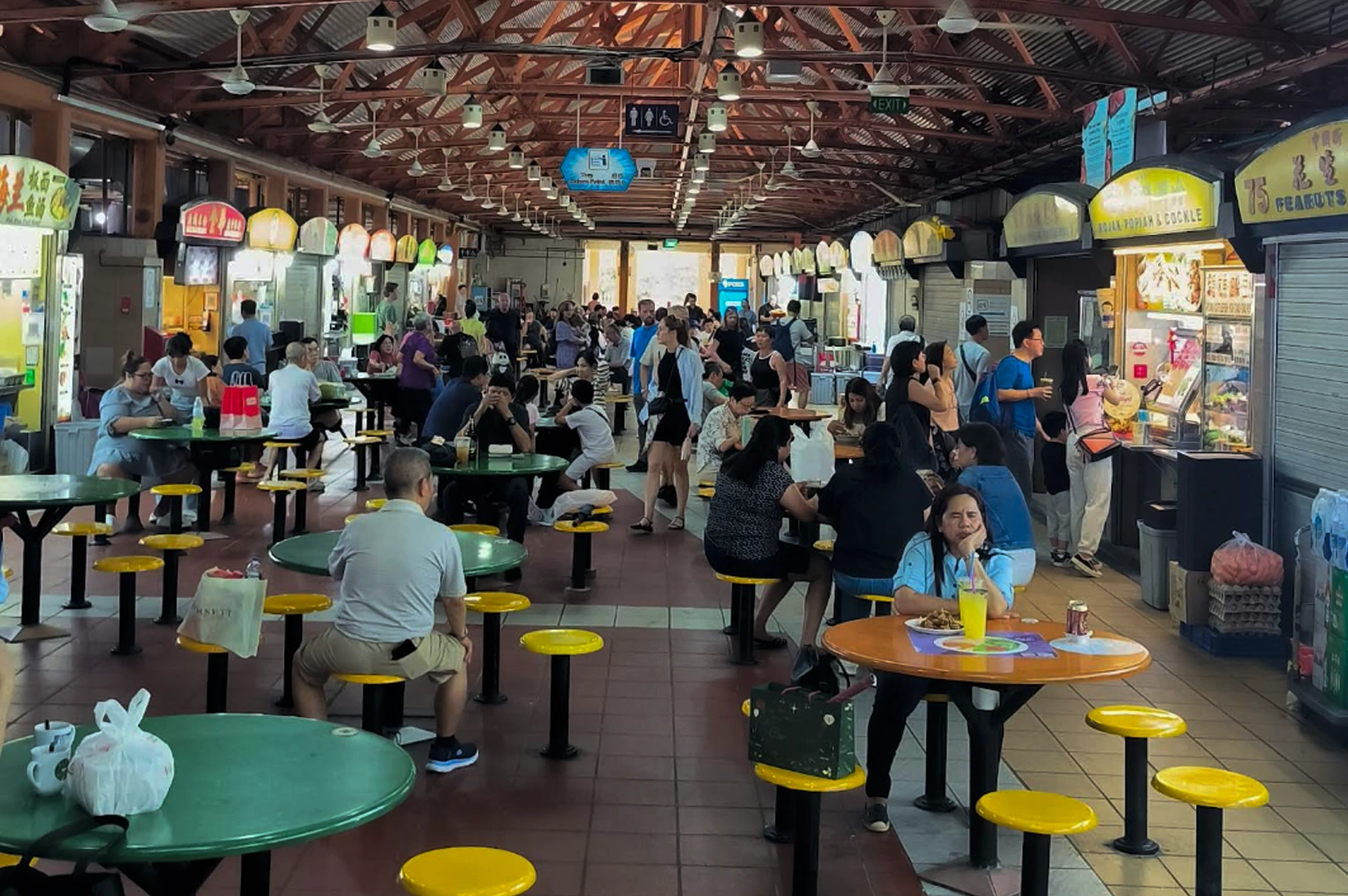
As you step into Maxwell Singapore, the first thing that strikes you is not the scent of food, but the sheer density of movement. Located just a short walk from the towering financial district and the historical streets of Chinatown, this space is a living, breathing intersection of the city. To understand how to eat here is to understand how to move through it.
This is not a place to rush. Instead, it is a space that rewards the observant wanderer, the diner willing to pause, look, and listen to the rhythm of the hawker centre before deciding where to spend their appetite.
1. Arrival at Maxwell Singapore: A Study in Movement
If you pause here at the main entrance, you’ll notice the distinct layers of sound. The dull roar of industrial fans mingles with the sharp clatter of woks and the low murmur of negotiations over tables. Known historically to some as Maxwell market before its evolution into a dedicated food centre, this site has become one of the most popular hawker centres in the country. Yet, despite the crowds, there is an underlying order to the chaos. Locals do not wander aimlessly; they trace well-worn paths to their preferred corners.
2. Understanding the Layout of the Maxwell Food Centre Stalls
The layout of Maxwell Food Centre is linear, defined by three main parallel aisles that stretch beneath its pitched roof. During the peak lunch hour, these aisles transform into rivers of office workers and curious visitors. Understanding the differing opening hours of the various maxwell food centre stalls is your first step to mastering the space. While some vendors cater to the early morning breakfast crowd, others only ignite their stoves as lunch time approaches.
If you visit during off-peak hours, perhaps mid-afternoon, the atmosphere shifts. The frantic energy dissipates, allowing you to observe the stalls preparing for the evening service. It is in these quiet transitions that the true character of this affordable food haven reveals itself, standing in stark contrast to the nearby air-conditioned enclosures of China Square or the multi-tiered labyrinth of Chinatown Complex.
3. How Locals Choose Which Hawker Stalls to Trust
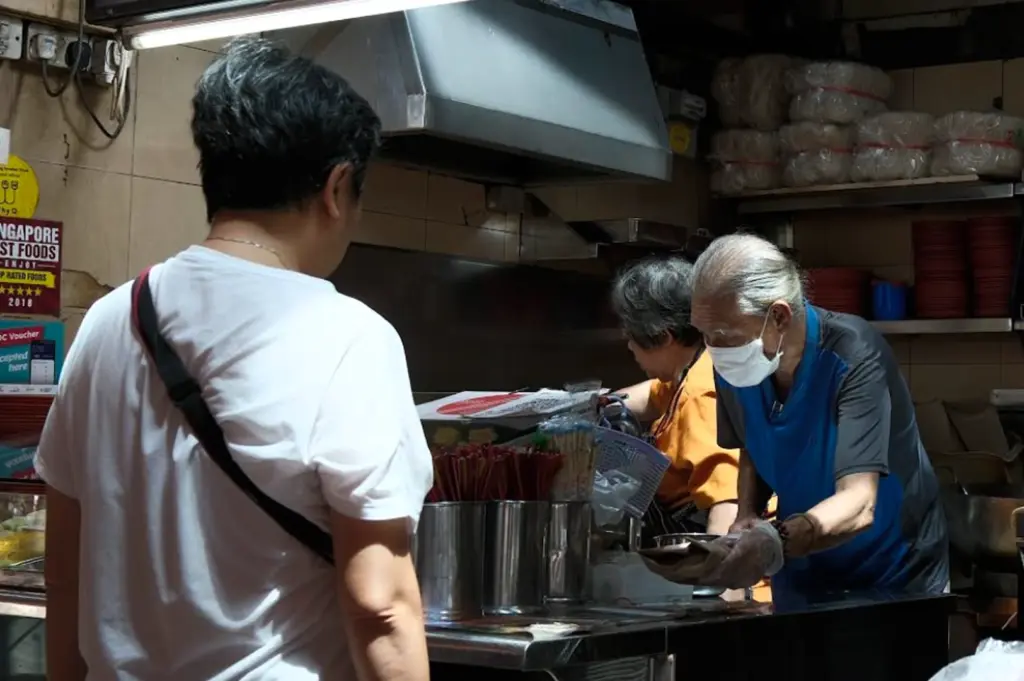
Reading a queue is an essential skill in any food centre, but particularly here. You’ll notice that long lines do not always mean a long wait, nor do they always guarantee the most authentic taste. Locals look for high-turnover hawker stalls where the movement behind the counter is fluid and practiced.
Watch the food stalls closely. A fast-moving line often indicates a highly efficient kitchen, perhaps helmed by a veteran head chef who has spent decades perfecting a single dish. Observe the preparation: the rhythmic chopping of a chicken cutlet, the precise flick of a wrist tossing springy noodles, or the careful dusting of five spice powder over sizzling meats. These small, repetitive actions are the hallmarks of quality.
4. Looking Beyond Anthony Bourdain and Gordon Ramsay
It is impossible to discuss this space without acknowledging the global attention it has received. The visits of celebrity chefs like Anthony Bourdain and the localized culinary battles featuring Gordon Ramsay have cemented certain stalls into international folklore.
However, walking a full round of the centre is crucial before joining a line simply because it is famous. Locals balance popularity with reliability. They acknowledge the famous names, but they also know that the popular stall with a two-hour wait is often flanked by quiet, unassuming neighbors serving equally compelling, popular dishes. Do not dismiss the quiet corners; the most memorable meals are often found where you least expect them.
5. Seating Culture: The Art of the Chope at Maxwell Food Centre
Before you even think about ordering your food, you must secure a table. The seating culture here is governed by the “chope” system, a uniquely Singaporean practice where a packet of tissues, an umbrella, or a business card is placed on an empty table to reserve it. As you navigate the aisles, respect the tissue packets; that table is taken.
During peak times, finding an empty table requires patience and a willingness to share. Do not be afraid to politely ask if you can occupy an empty seat at a table where others are already eating. This shared dining experience is a fundamental part of the hawker ecosystem, bringing strangers together over bowls of hot broth and generous portions of rice.
6. Payment, Ordering, and the Rhythm of Hainanese Chicken Rice
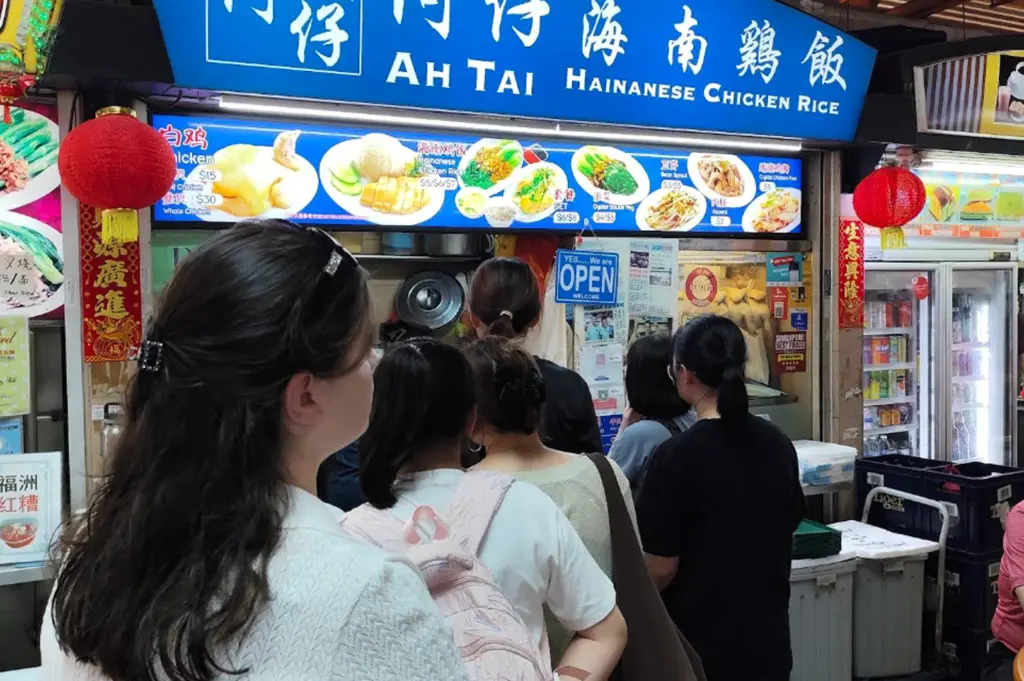
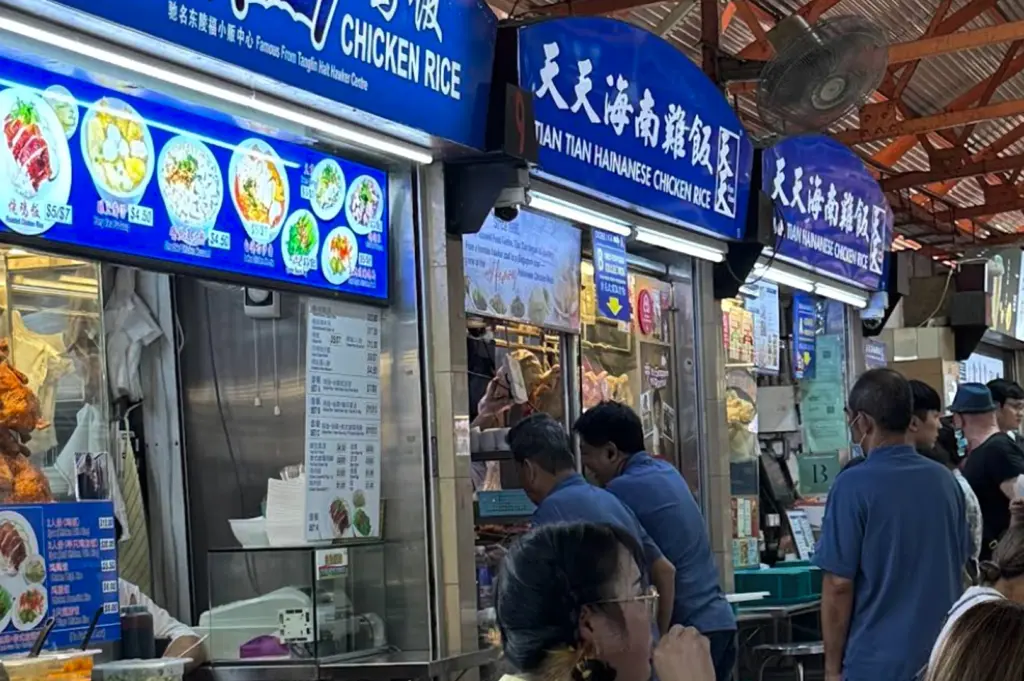
When it comes to ordering, especially at a bustling chicken rice stall, brevity is key. Whether you are ordering from the legendary Tian Hainanese Chicken Rice or stepping into the queue for Ah Tai Hainanese Chicken (founded by a former Tian Tian cook, often simply referred to as Ah Tai), the interaction is swift.
You will need to state your preference clearly: roasted or steamed, portion size, and whether you are eating in or taking away. While digital QR payments are now ubiquitous across the island, keeping a few small notes of cash is still a wise practice. As you carry your tray of Hainanese chicken rice, the grains glistening with chicken fat, the meat tender, the chili sharp and bright, you are participating in a daily ritual that has defined Singaporean dining for generations.
7. Building a Balanced Meal: From Fish Porridge to Special Shanghai Tim Sum
A true local rarely settles for just one dish. The beauty of the hawker centre lies in the ability to curate a feast from multiple vendors. You might start with something comforting, like a steaming bowl of fish porridge, where the sliced fish is delicate and sweet, perhaps paired with crispy dough fritters to soak up the broth.
Next, you might wander over to observe the delicate folds being pressed into xiao long bao at a dumpling stall. Establishments like Tong Xin Ju Special Shanghai Tim Sum (often referred to by regulars simply as ju special shanghai tim or the xin ju special shanghai stall) offer a masterclass in textural contrast. You can supplement your meal with crispy spring rolls, savory meat rolls, or a hearty pork chop. From the rich, dark soy sauce coating a plate of braised duck or roast duck, to the comforting familiarity of luncheon meat and a century egg, the combinations are endless.
8. Where Locals Actually Eat (Beyond Tai Hainanese Chicken Rice and Tong Xin Ju)
While the stalwarts like Tai Hainanese Chicken Rice and Tong Xin Ju draw steady crowds, the adventurous eater will find much more to explore. The landscape here reflects a diverse array of international cuisines and regional specialties.
As you trace the outer edges of the centre, you might spot stalls that sell Vietnamese food, offering fragrant beef broth and slippery rice noodles. Nearby, the sharp, herbaceous aroma of Thai food beckons, perhaps leading you to a plate of green chilli chicken rice or a complex, tangy sour soup.
You’ll notice vendors grilling meats over open flames for nasi ikan bakar (grilled fish rice), or simmering rich rendang chicken in deep vats of coconut milk. Perhaps you crave the satisfying chew of a south indian pancake, a comforting bowl of braised pork rice, or the earthy heat of a bowl from Shao La Mian Jia. You may even find stalls serving western food, or vendors expertly tossing shredded chicken and fish balls into light, comforting broths.
To truly eat like a local, you must look past the obvious. For a deeper dive into these lesser-known spots, I highly recommend exploring Maxwell Food Centre: 5 Hidden Eats Locals Love Beyond the Famous Chicken Rice. It is a gentle guide to the quiet, everyday food stalls that sustain the neighborhood.
9. A Closing Reflection on Maxwell Fuzhou Oyster Cake and Independence
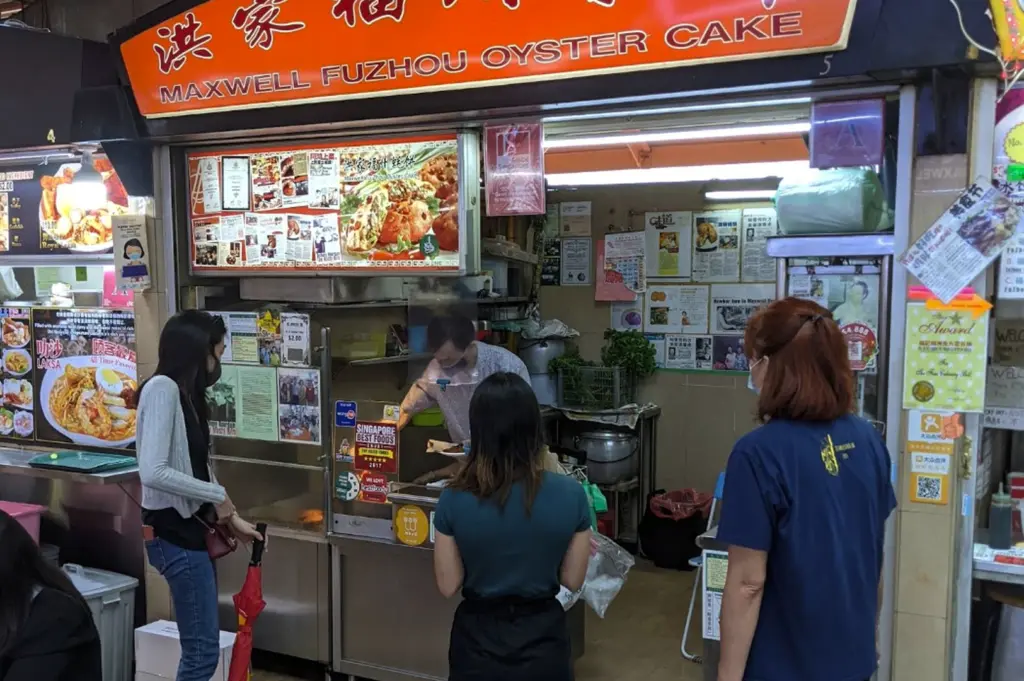
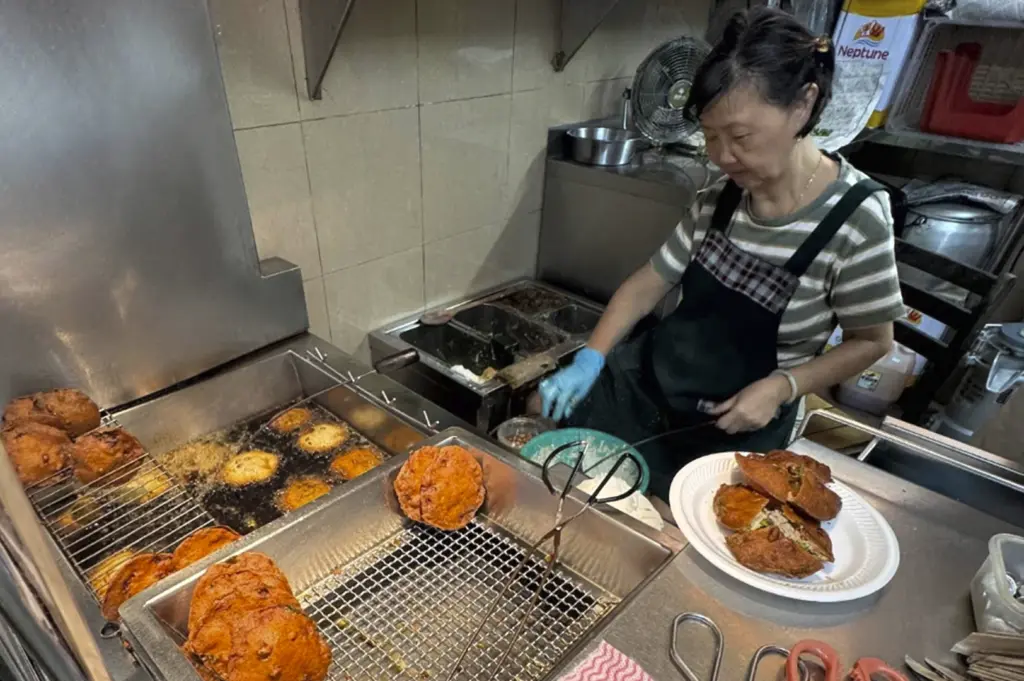
As your meal concludes, the urge for something sweet or savory to cap off the experience naturally arises. If you pause near the snacks, you might find a stall frying up Maxwell Fuzhou Oyster Cake. Watching the vendor ladle the fermented rice batter, studding it with peanuts and cilantro before dropping these oyster cakes into hot oil, is a mesmerizing end to your walk.
Alternatively, you might seek out the deep, caramel sweetness of palm sugar (gula melaka) drizzled over a traditional dessert, or the simple comfort of a warm tapioca cake, a red bean bun, or a freshly fried hum jin pang. Somerset delicacies may offer polished presentations, but the soul of Singaporean food lives here, on these plastic trays and melamine plates.
Navigating Maxwell Singapore is not about checking items off a famous list. It is about trusting your senses, reading the flow of the room, and allowing the space to guide your appetite. Even the less popular stalls, tucked away in quieter corners, often hold hidden gems waiting to be discovered by the curious and patient diner.Take your time, walk the aisles, and you will find that eating like a local is simply a matter of paying attention.